16 Expert Tips for Boating at Night on Smith Mountain Lake
This page may contain affiliate links. If you click and purchase, we may earn a small commission at no extra cost to you. Read our full disclosure policy.
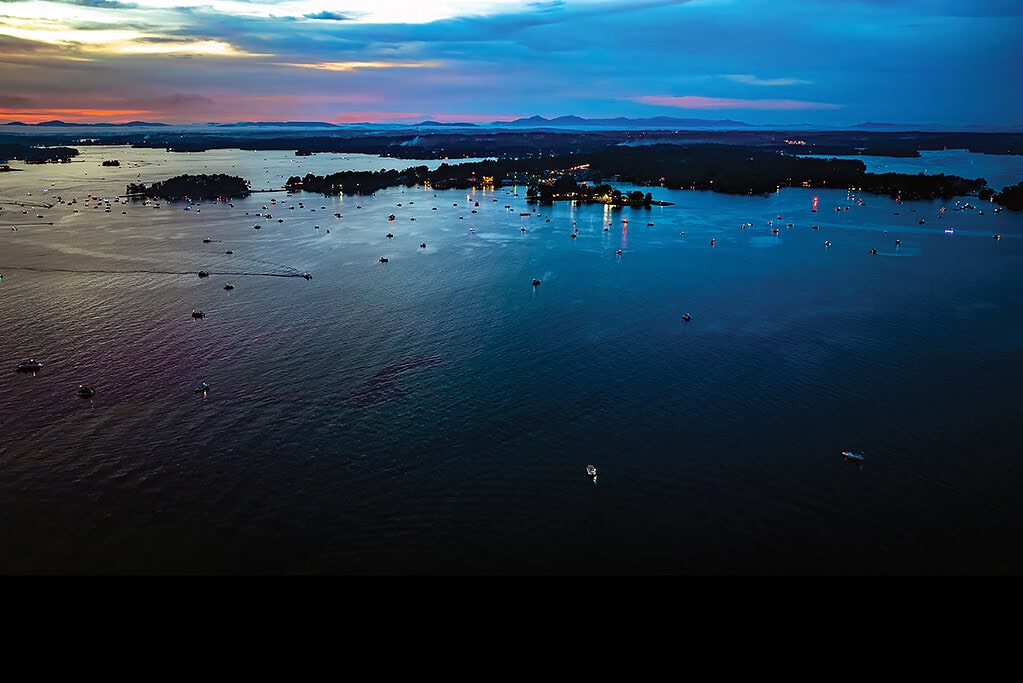
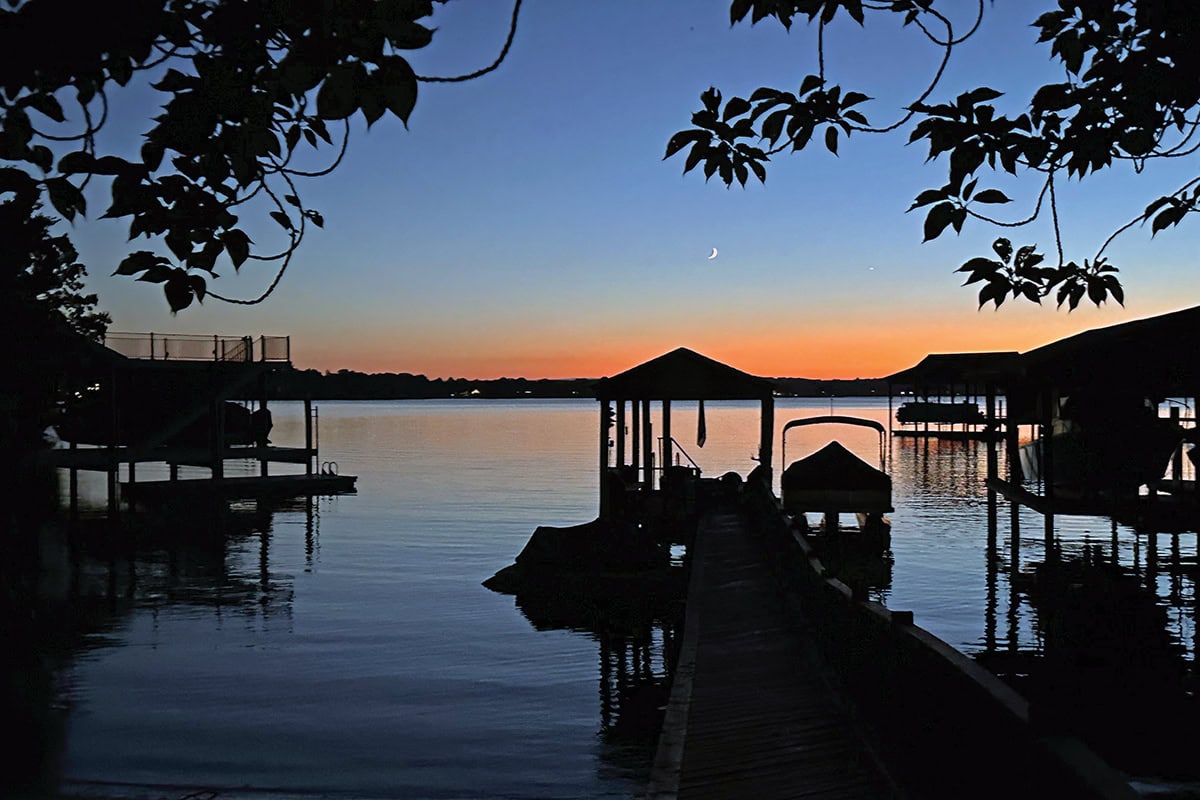
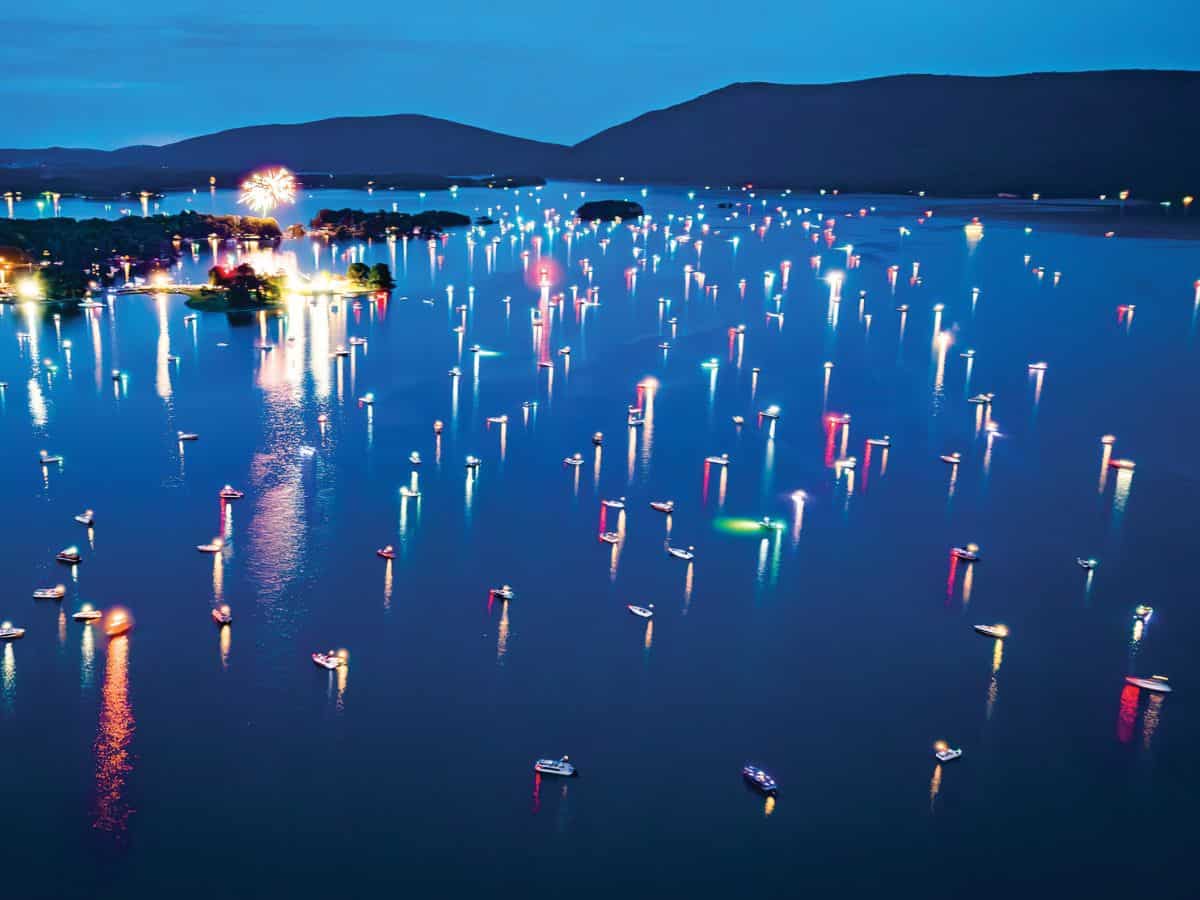
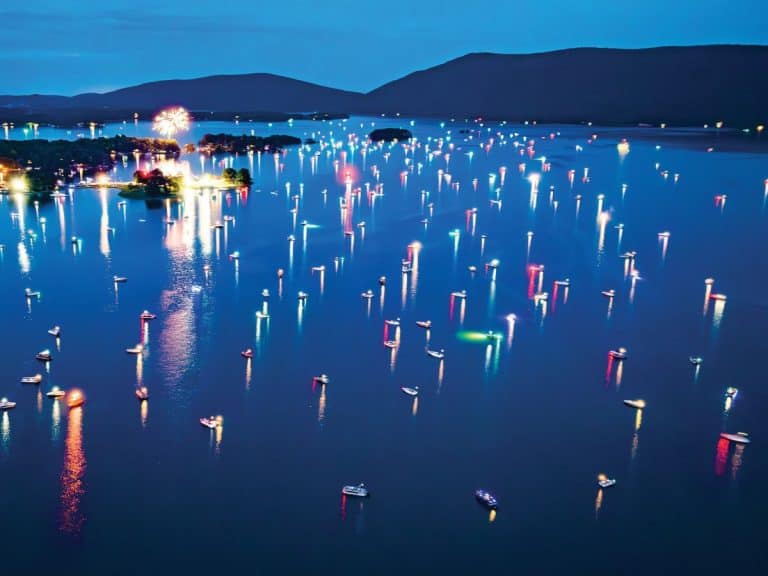
Few experiences at Smith Mountain Lake rival being on the water after sunset. I’ve been boating here since 2003, and I never get tired of the lake’s quieter rhythm at night, with shoreline lights reflecting across the water and cooler air setting a different tone.
That said, boating at night here definitely comes with added challenges, and that applies whether you’re brand new to boating or have decades of experience. Reduced visibility changes everything, from how you judge distance to how quickly hazards can appear.
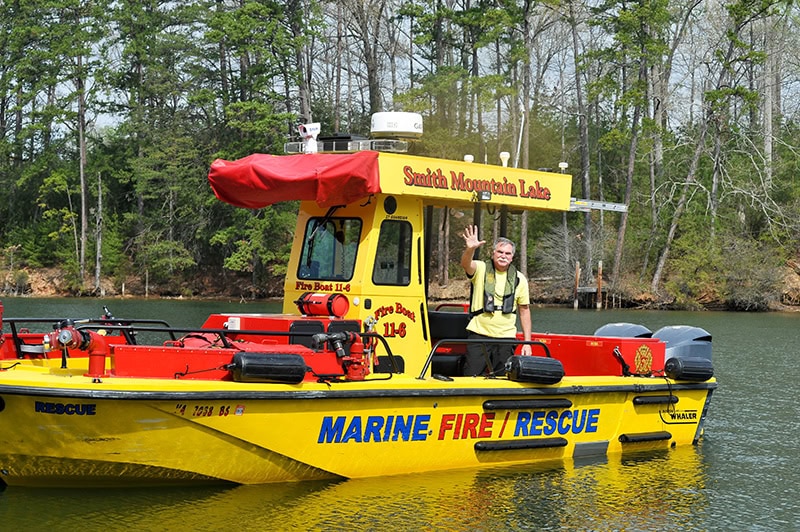
As a Sea Tow captain and member of the Smith Mountain Lake Water Safety Council, I’ve seen firsthand how quickly conditions can change after dark.
Whether you’re motoring home from an evening dock visit, enjoying a slow cruise after dinner at a lakefront restaurant or just taking in the stars on a clear night, it’s important to take extra caution.
Here are some of my top tips to help keep your nighttime outings on Smith Mountain Lake safe, smooth and stress-free.

Eliminate “Light Noise”
Night vision is your most valuable tool for safe navigation after dark, and protecting it starts with eliminating “light noise.”
Mobile phone screens are one of the biggest threats to your night vision. Keep devices tucked away whenever possible so notifications don’t disrupt your sight, and ask passengers to do the same. If you need to use them, dim the screen on your phone and other marine electronics to minimize glare.
Use Spotlights Sparingly
If you need to use a spotlight to check the shoreline, an unlit buoy or something in the water, point it down before turning it on. Make a quick sweep, then turn it off immediately to preserve your night vision.
Ensure your navigation lights are functioning correctly and visible from appropriate distances. These lights are not decorative; they are critical safety tools that allow others to anticipate your movements.
Know the Purpose of Docking Lights
Many boats now come equipped with docking lights, but they are not headlights and should never be used while underway. If you encounter a boat using them, look away to help maintain your night vision.
Match the Markers
Turn on your navigation lights anytime channel markers are flashing.
Keep Flashlights Handy
Keep a spotlight and a pen light, both with fresh batteries, within easy reach on board. Don’t rely on your phone as your only flashlight.
Designate a Skipper
Choose a fully sober designated skipper before leaving the dock. When possible, have another sober passenger act as a second set of eyes to help spot channel markers, other vessels and debris.
Wear Life Jackets
And it should go with out saying, but always make sure you and your crew are wearing U.S. Coast Guard-approved life jackets.
Know What the Lights Mean
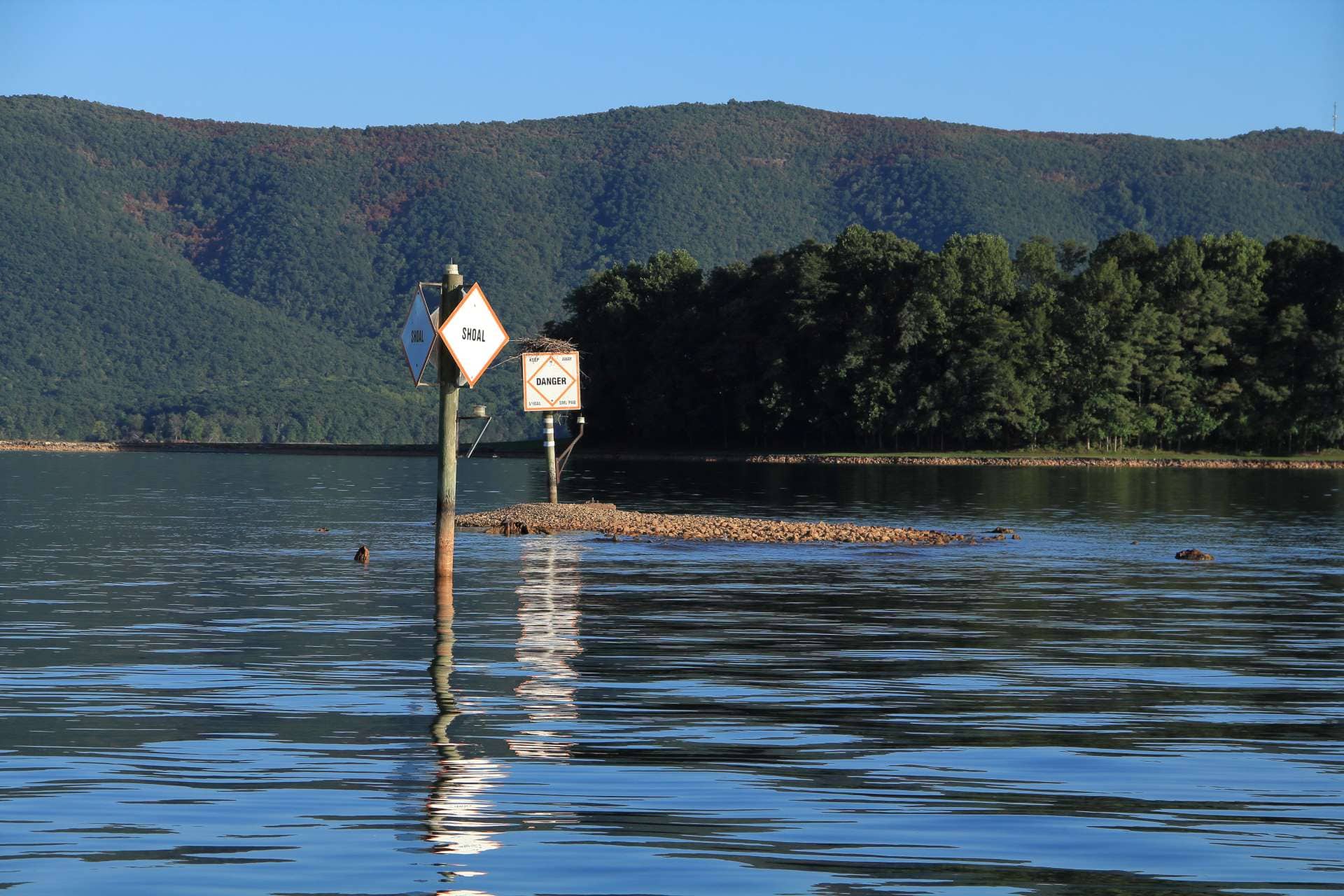
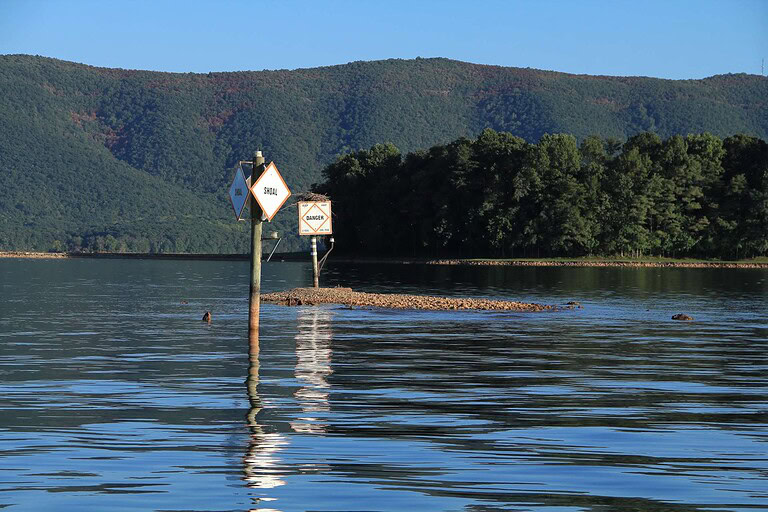
Pay close attention to the lights around you. Red and green non-flashing lights indicate a boat approaching. A steady white light could be a vessel ahead or a light on shore, so take a moment to confirm which. Flashing red and green lights mark channel markers, while flashing white lights indicate shoal markers There are several between R8 and R12.
Stick to Familiar Waters
Night is not the time to explore unfamiliar coves. Stick to routes you’ve already navigated during the day, especially in narrow channels or shallow areas.
Slow Down and Stay Alert
Depth perception changes after dark, making distances harder to judge and hazards more difficult to spot. Operate at a safe speed that gives you time to react to obstacles, floating debris or vessels without proper lighting.
Watch for Shoreline Illusions
Lights from homes, docks and marinas can create visual confusion, making it hard to tell what’s stationary and what’s moving. Stay focused on channel markers and rely on navigational aids rather than visual assumptions alone.
Be a Defensive Boater
Not every boater exercises the same level of caution. Some may travel too fast or operate without proper lighting. Stay alert and anticipate unpredictable behavior from others on the water.
Use Extra Caution Near Marinas
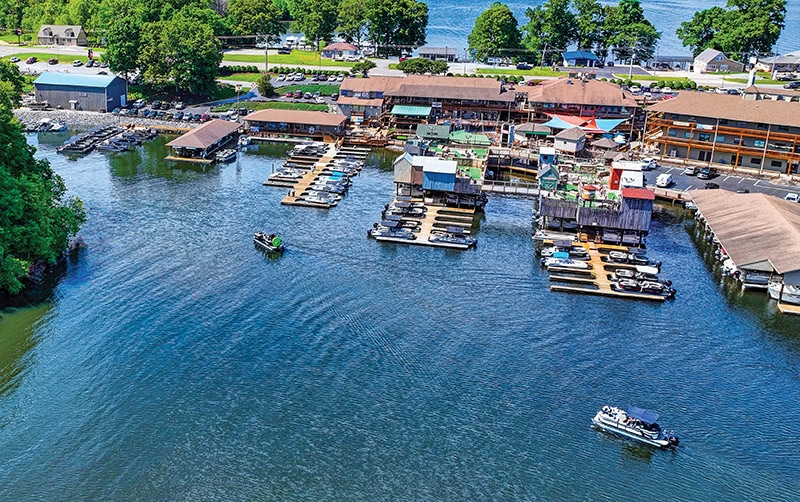
Boat traffic at SML can increase near waterfront restaurants and marinas after dark. Proceed slowly and stay alert for swimmers, paddlers and boats returning to slips.
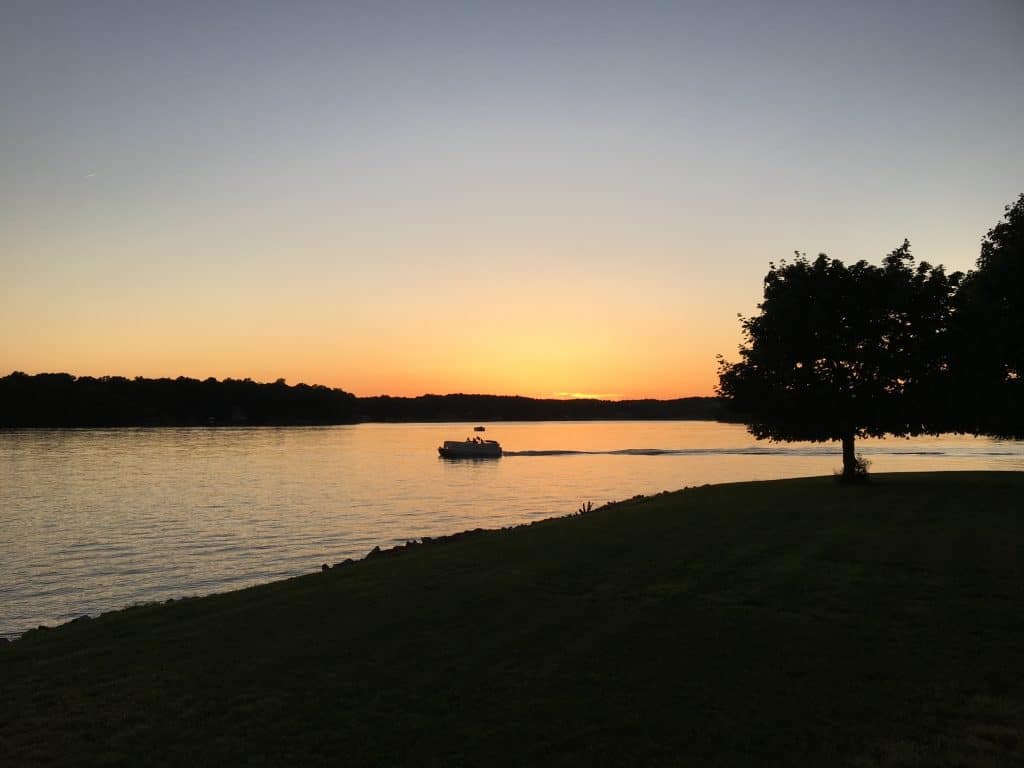
Know the Forecast
Weather can change quickly, especially after sunset. While winds often calm, fog or storms can develop. Check the forecast before heading out and be ready to adjust plans if visibility becomes limited.
Light the Way Home
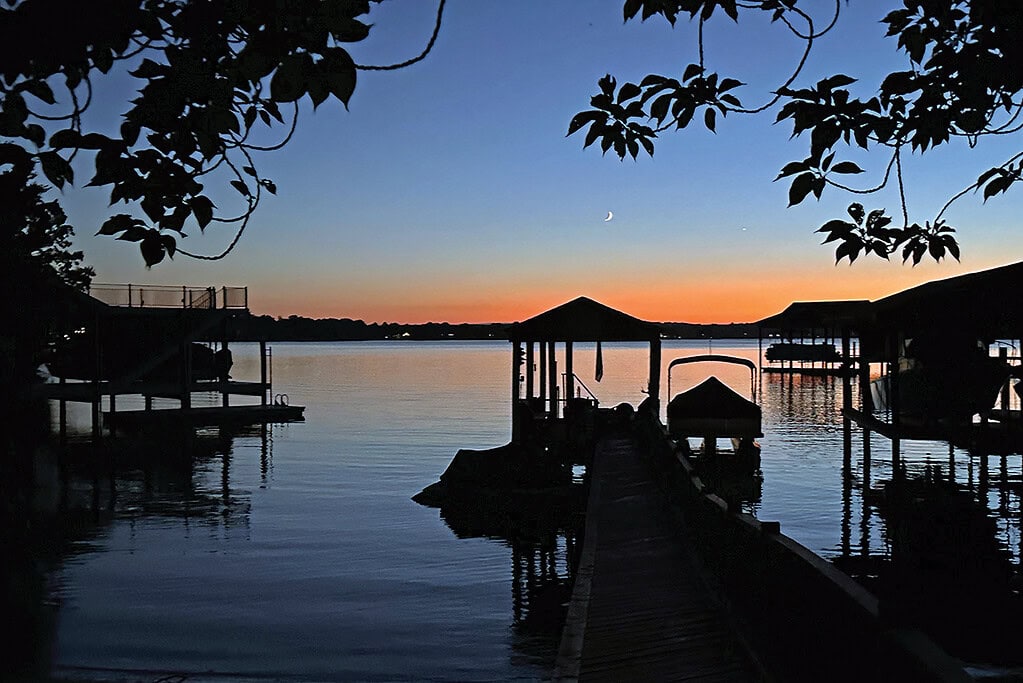
Leave a light on at your dock for your return. A photocell switch lets it come on automatically at dusk, so you’re not wasting electricity during the day.
Being prepared will help you stay safe and navigate with confidence when boating at night on Smith Mountain Lake!

Jerry Hale
STAFF WRITER
When he’s not writing about the Smith Mountain Lake, you might just find Jerry out wake surfing or just idling through its coves, practicing guitar or banjo on his deck at the Cottages of Contentment Island, playing steel drums or volunteering with LCM, Trinity Ecumenical Parish, Neighbors Helping Neighbors or the SML Charity Home Tour.