Wildflowers Worth the Walk at Booker T. Washington National Monument
This page may contain affiliate links. If you click and purchase, we may earn a small commission at no extra cost to you. Read our full disclosure policy.
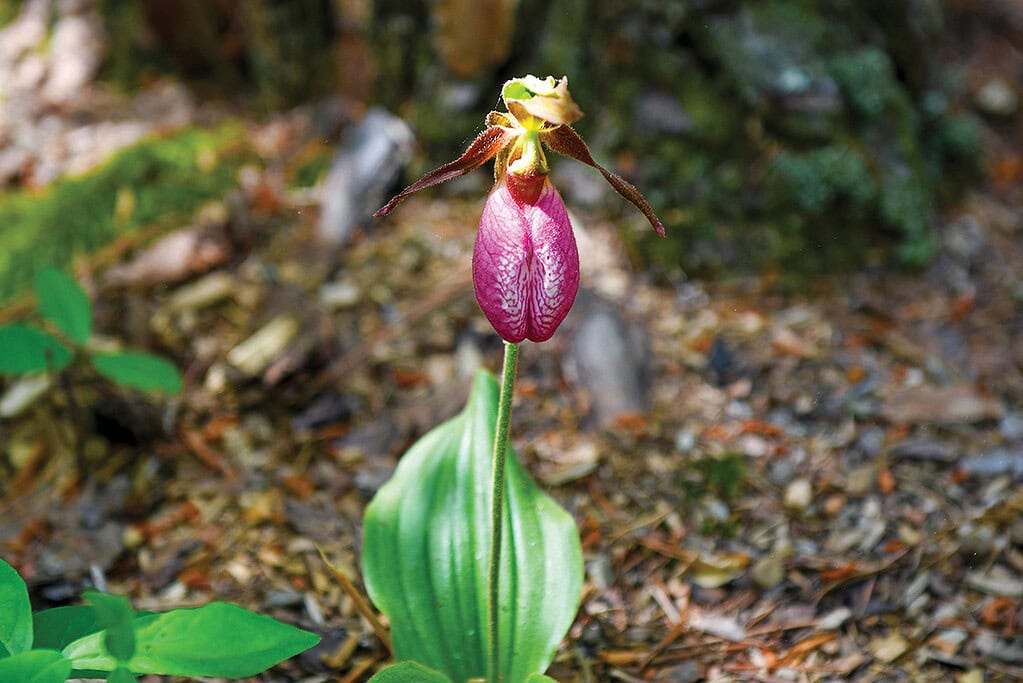
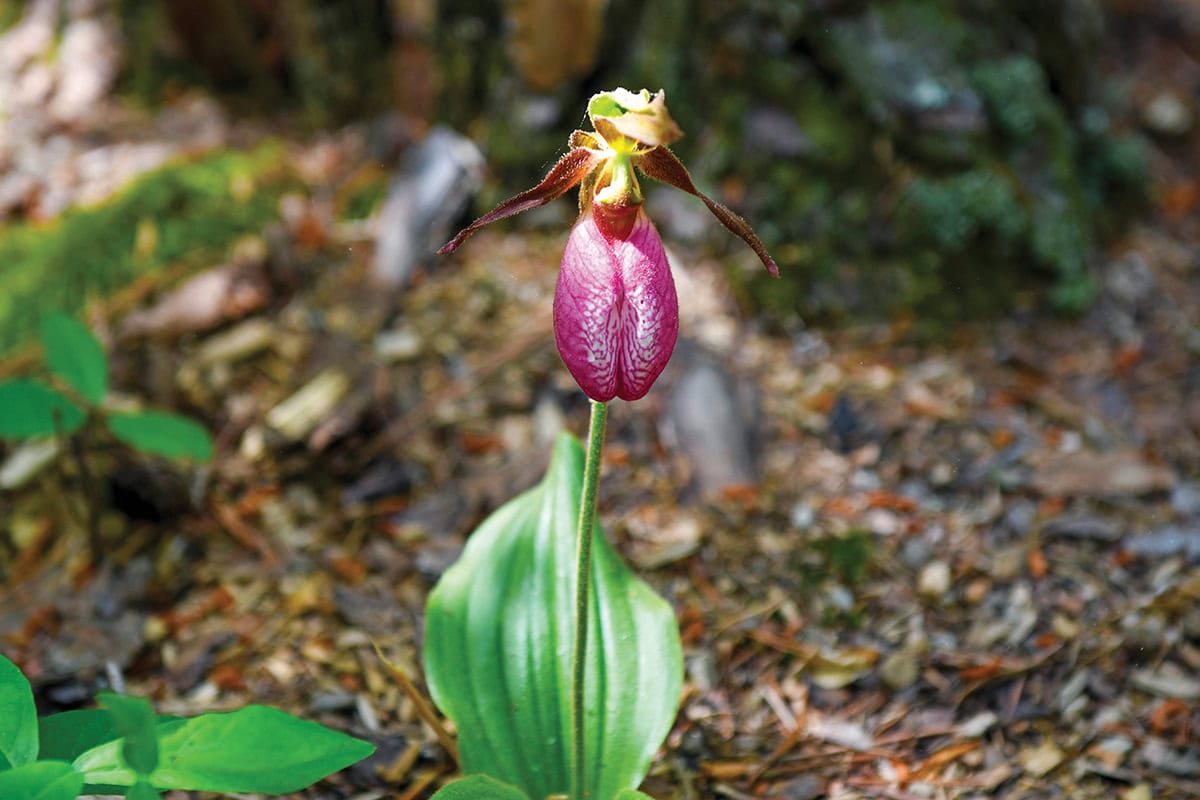
Every spring, I make a point to hike the Jack-O-Lantern Branch Trail at Booker T. Washington National Monument, because I know there’s a chance I’ll spot one of my favorite wildflowers: the pink lady’s slipper. The first time I saw that bright, pouch-shaped bloom tucked along the path, it felt almost unreal—like something designed rather than grown.
The pink lady’s slipper (also called the Moccasin Flower) is an orchid—Cypripedium acaule—that blooms in Southwest Virginia from May into July. It grows from two basal leaves, and from the center rises a single stem carrying one dramatic flower. The “slipper” itself is usually mauve to magenta, with a slit in the front instead of the round opening you might expect.

Why Pink Lady’s Slippers Are So Difficult to Grow
What fascinates me most isn’t just its beauty, it’s how complicated its survival story is. A U.S. Forest Service botanist, Patricia J. Ruta McGhan, explains that this orchid depends on soil fungi from the Rhizoctonia genus.
Orchid seeds don’t carry much stored food, so they rely on fungal threads to crack them open and deliver nutrients. Later, when the orchid can photosynthesize and feed itself, the fungus draws nutrients back from the plant’s roots. That give-and-take partnership (symbiosis) is common among orchids, and it’s one reason these plants are so hard to “save” by digging them up.
Pink lady’s slippers take years to mature and can live for decades. They also rely on bees for pollination. Bees slip into the pouch, lured by color and scent, only to realize there’s no reward. The flower’s design forces them to crawl past the stigma and pollen masses on the way out, which makes pollination possible, though not very efficient.
Pink lady’s slippers live in a variety of habitats, growing in mixed hardwood coniferous forests of pine and hemlock on rocky/mossy slopes, and in semi-open or in deep humus and acidic but well-drained soil under birch and other deciduous trees of eastern United States forests.
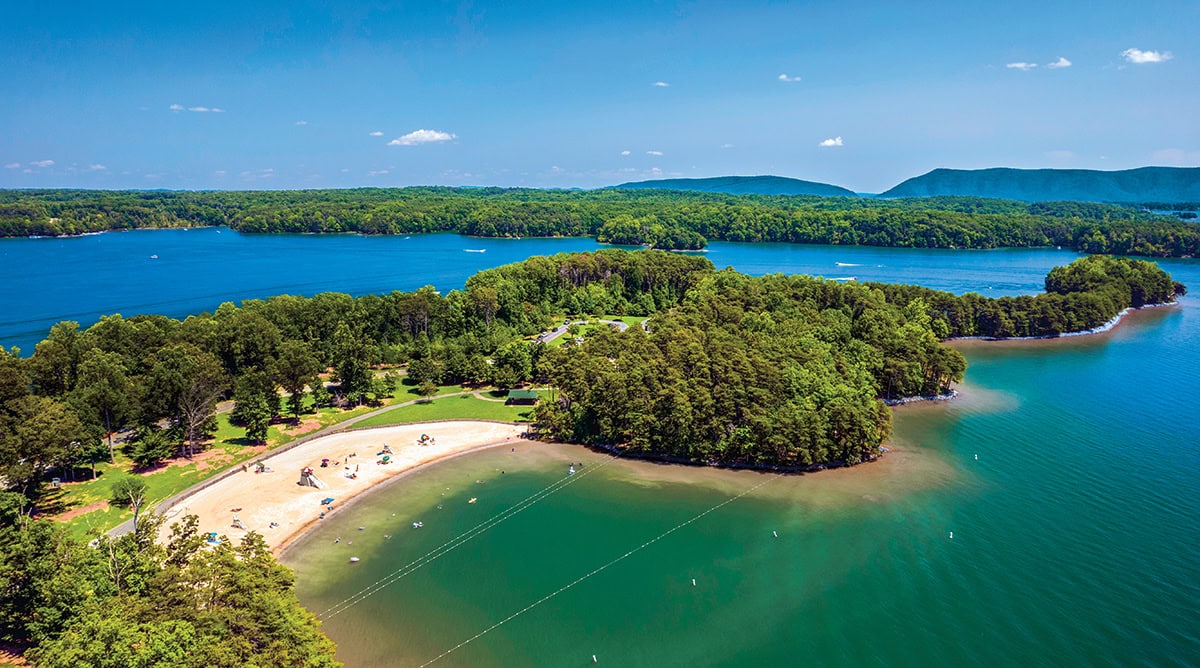
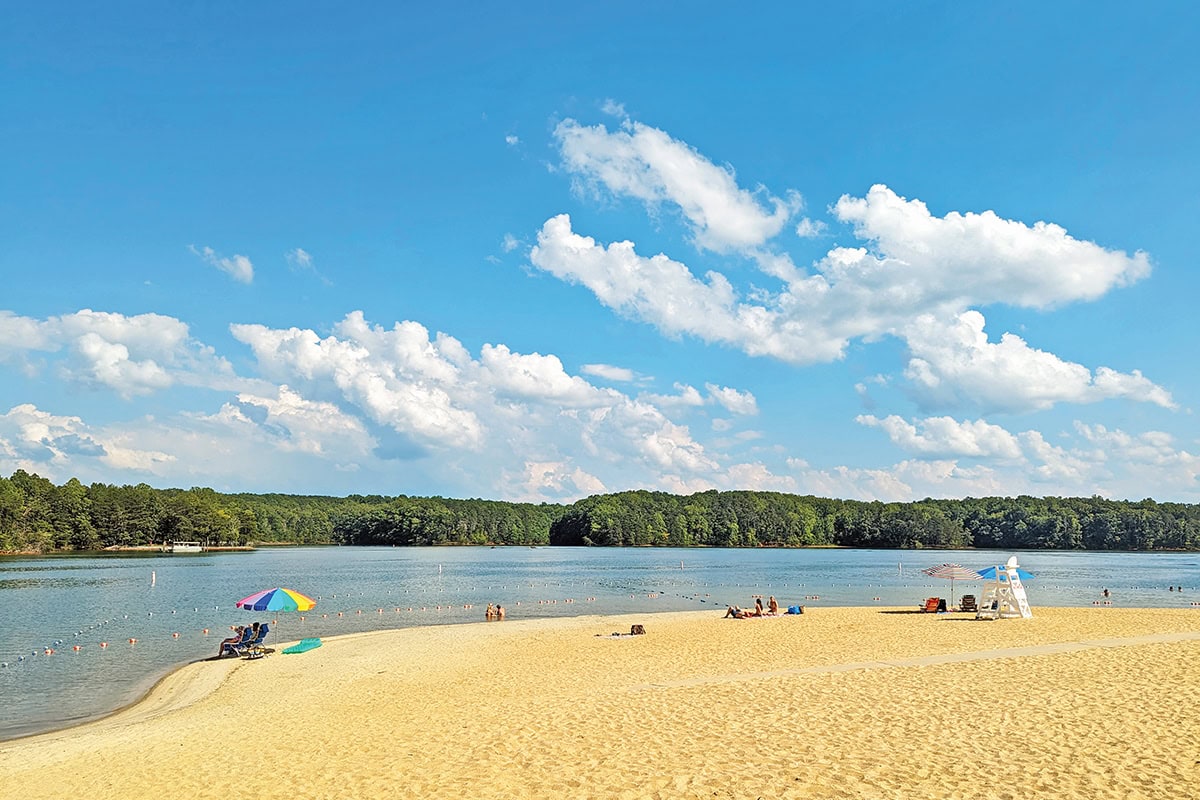
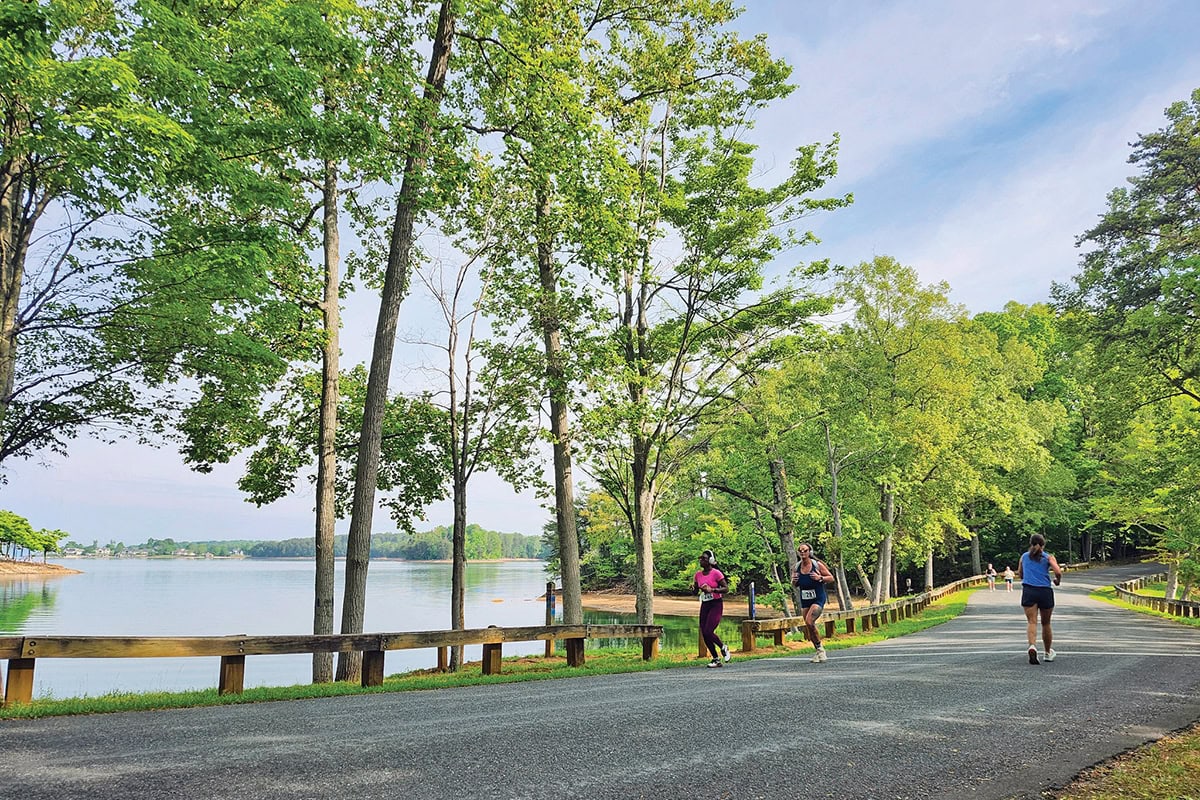
Now, whenever I’m walking my dog or taking a slow hike around Smith Mountain Lake, I keep my eyes open. The trails here are full of quiet surprises—wildflowers, fungi, birds—and I’ve learned that noticing them is half the joy.