This page may contain affiliate links. If you click and purchase, we may earn a small commission at no extra cost to you. Read our full disclosure policy.
Click a link below to jump to a particular section.
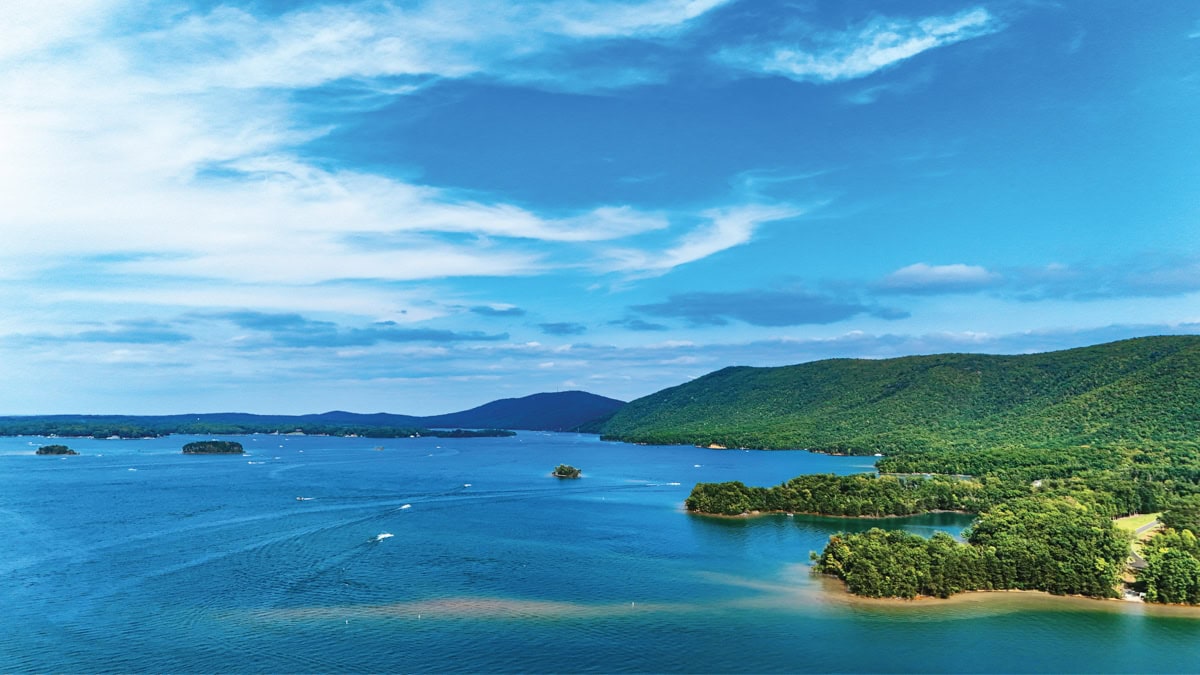
The 1960s mark the beginning of everything. What is now Smith Mountain Lake emerges as one of the most ambitious engineering projects in Virginia history, transforming river valleys, farmland and small communities into a vast, man-made reservoir with a purpose far beyond recreation.
Construction of Smith Mountain Dam reshapes the landscape and daily life across Bedford, Franklin and Pittsylvania counties. Roads are relocated, bridges are built and families watch as familiar places disappear beneath rising water. When the lake begins filling, the change is both dramatic and permanent. A new geography takes shape, altering how people live, travel and connect to the region.


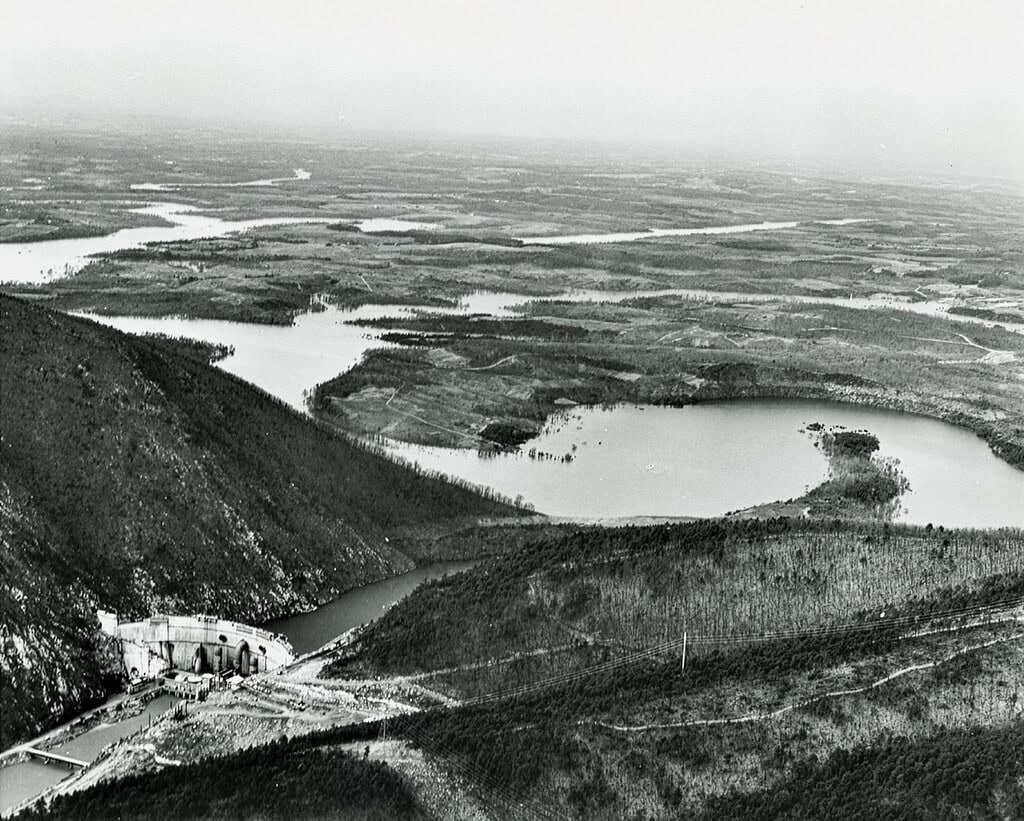
At first, Smith Mountain Lake exists primarily as a power project and a promise. Recreation is secondary, infrastructure is limited and the idea of lake life is still forming. Early visitors arrive out of curiosity as much as leisure, navigating unfinished roads and undeveloped shorelines to glimpse what this new body of water might become.
After the lake reaches full pond, a new era begins. Though much remains undeveloped, the foundation is set. The water is in place, access is improving and a sense of possibility hangs over the shoreline. The Smith Mountain Lake story has begun, one defined by transformation, adaptation and the quiet anticipation of what comes next.
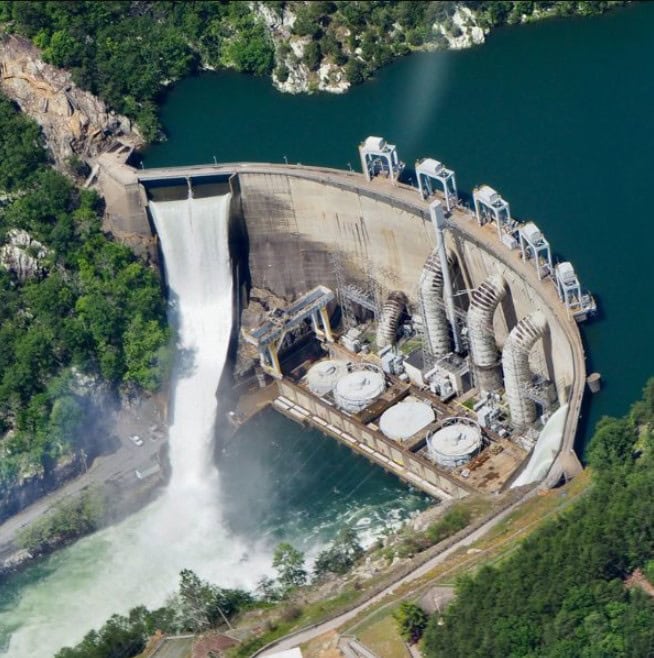
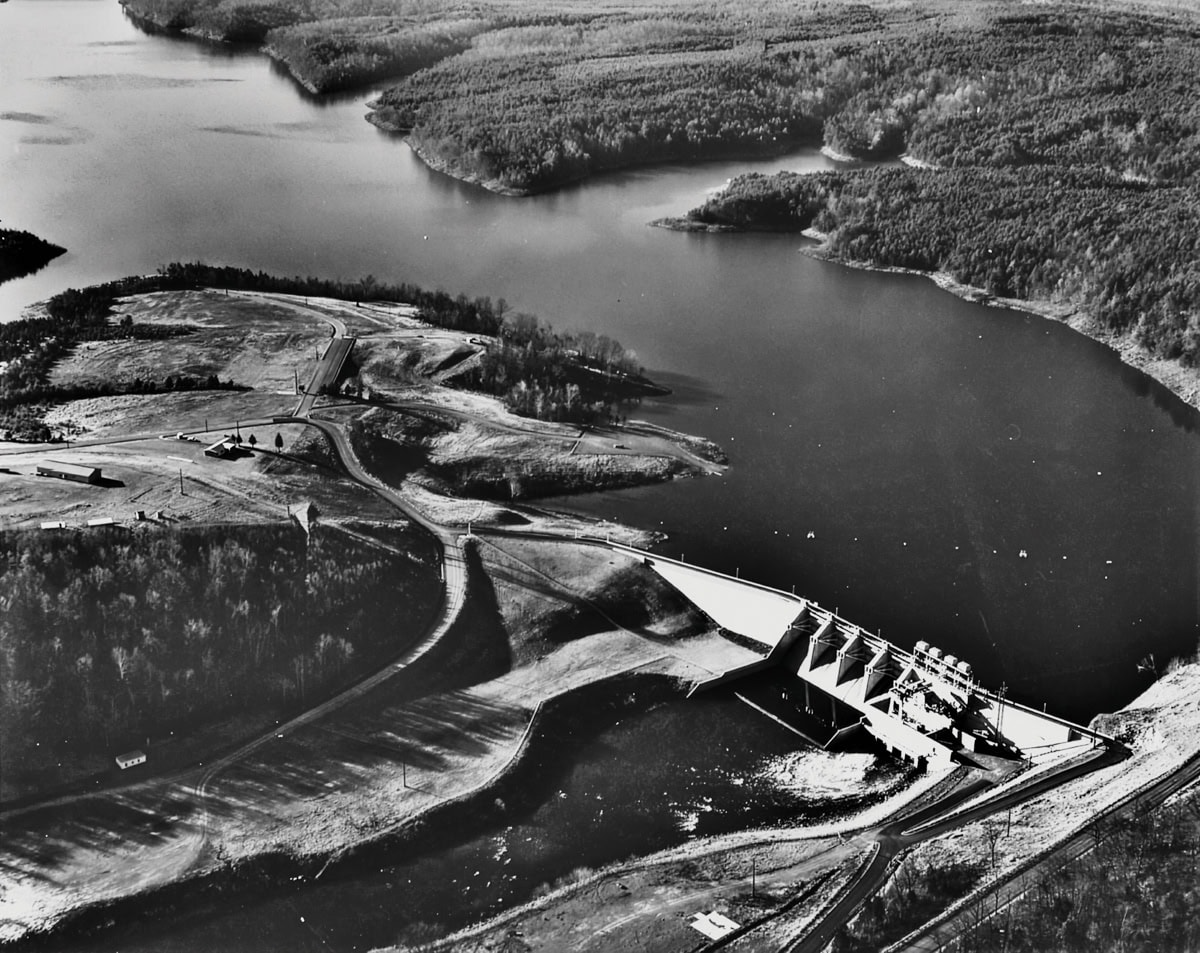
Construction begins on the Smith Mountain Dam, a pumped-storage hydroelectric project developed by Appalachian Power, marking the start of a transformation that will permanently reshape the region.
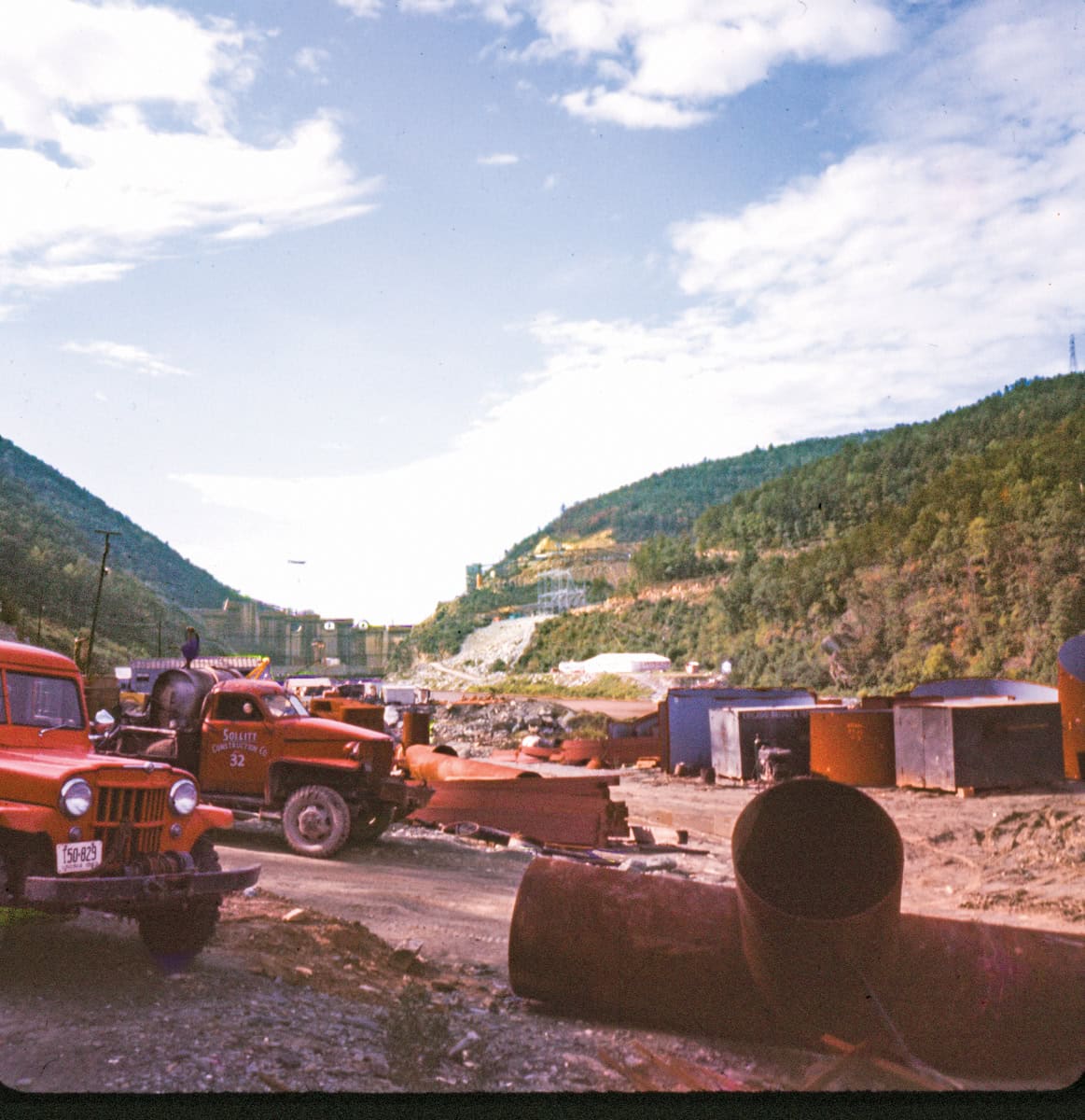
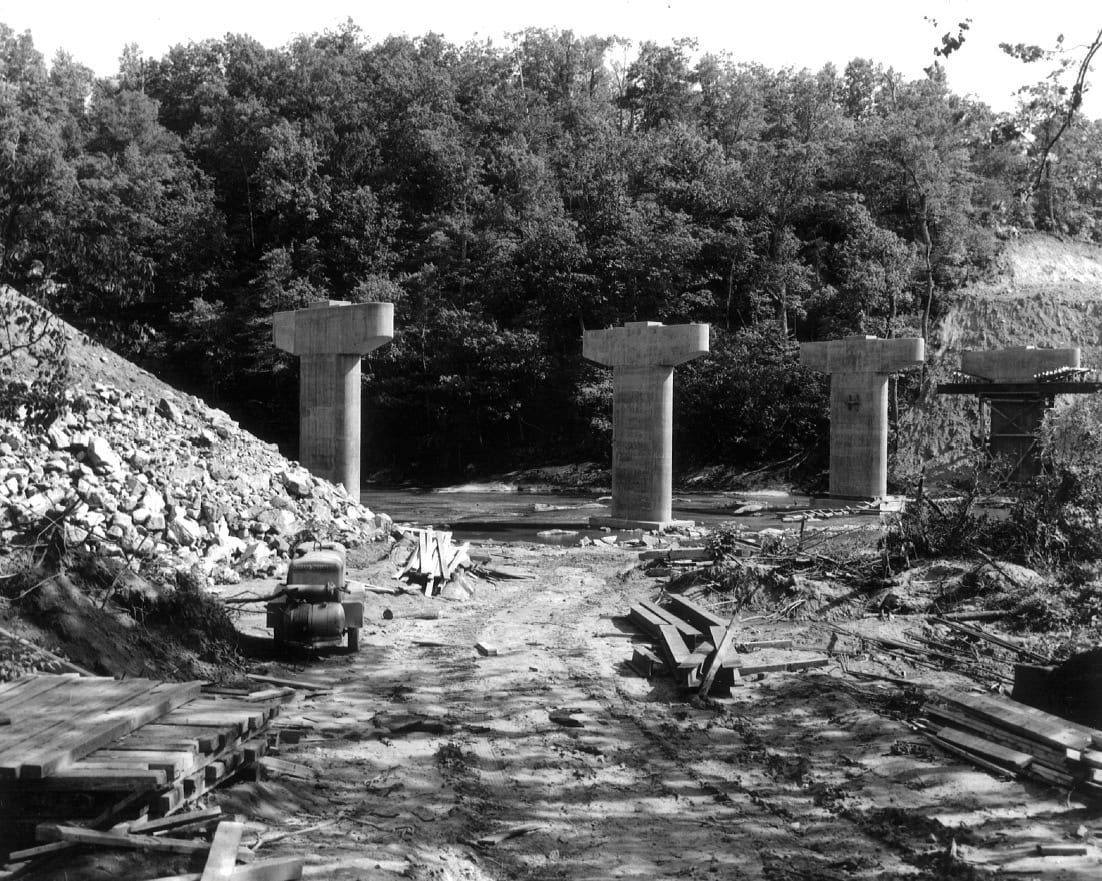
Roads, bridges and utilities are relocated across Bedford, Franklin and Pittsylvania counties as preparation begins for the future reservoir, disrupting long-established travel routes and communities.
Smith Mountain Dam is completed and the process of filling Smith Mountain Lake begins, signaling the transition from construction site to working power project.
The new Hales Ford Bridge opens, replacing a steel bridge built in 1940 that would later disappear beneath the rising waters of SML.
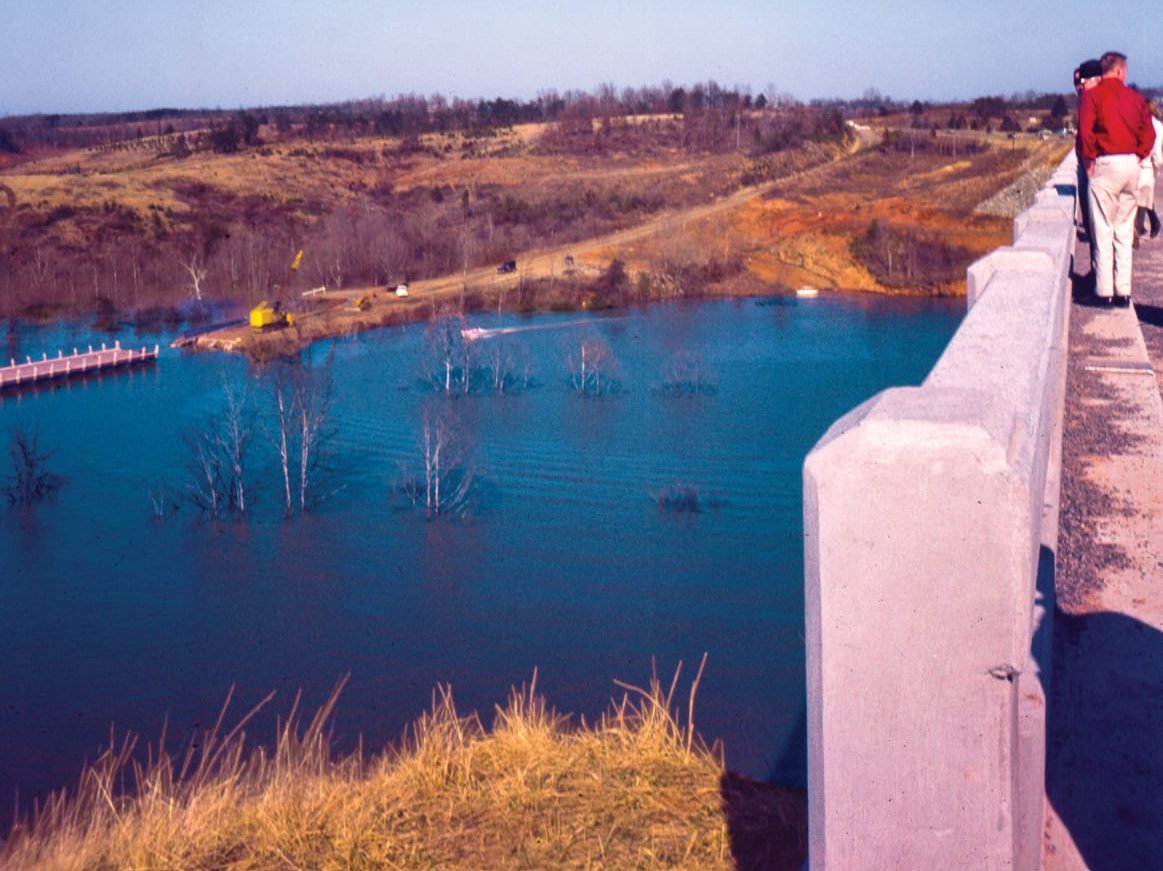
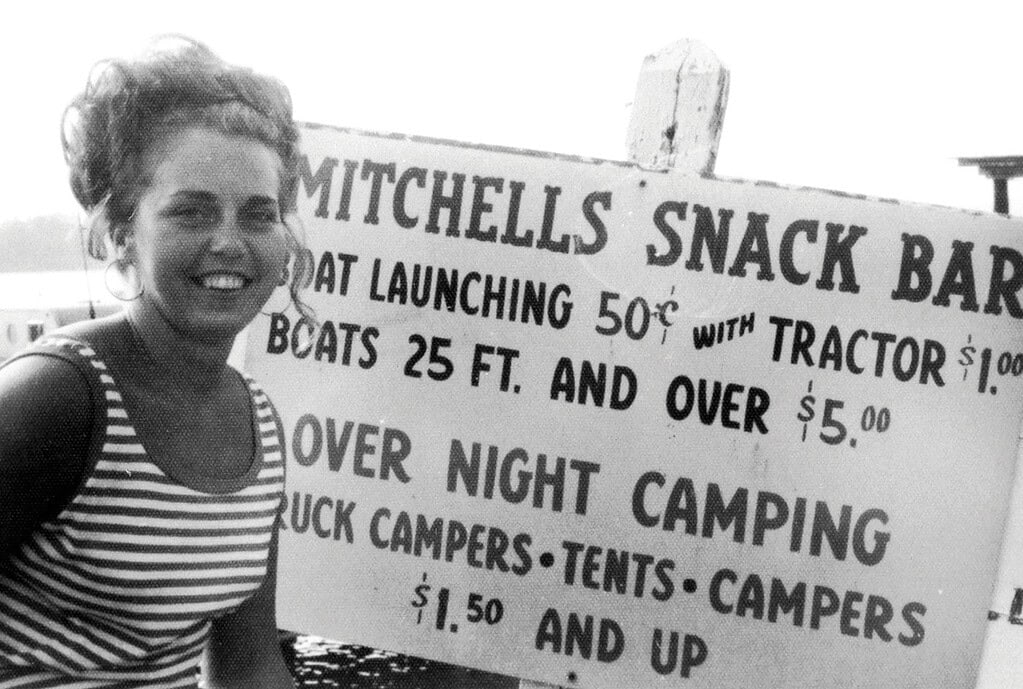
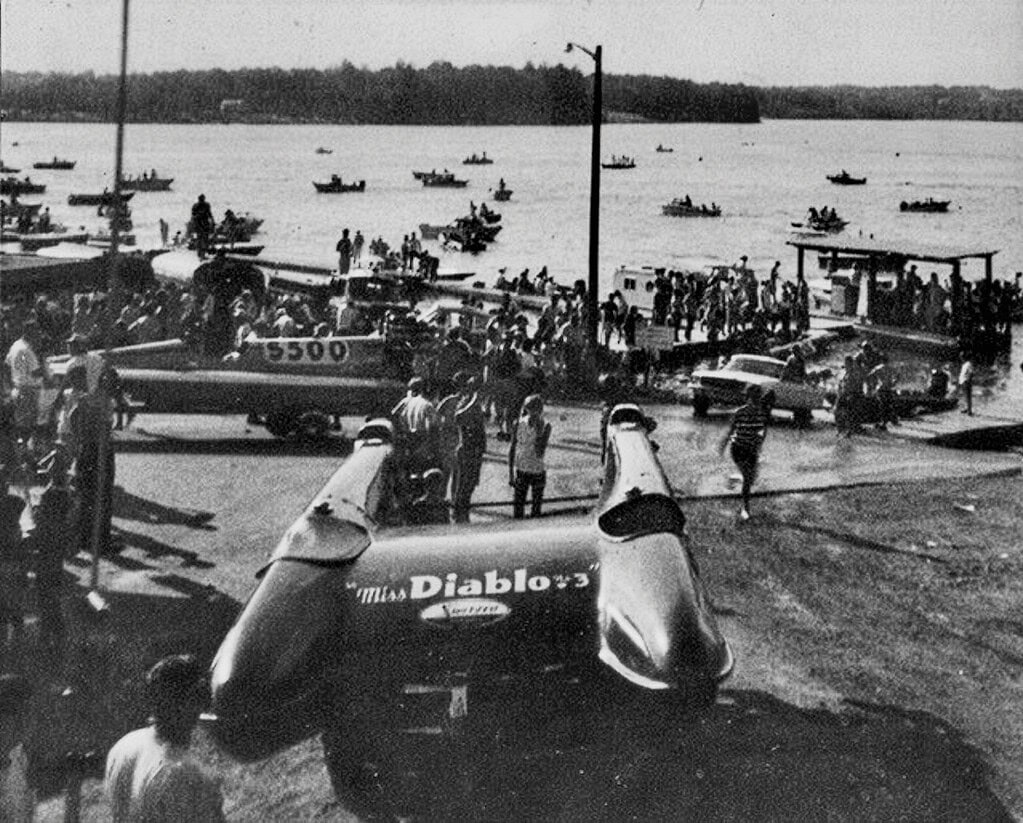
The creation of lake displaces the family of Jesse and Norene Mitchell from their farm on Craddock Creek, flooding roughly 75 acres of their 125-acre property. Rather than leave, the family finds a new calling, opening Mitchell’s Point Marina with docks and a snack bar before the lake even reaches full pond. In the late 1960s, the marina becomes a hub of early lake activity, hosting annual powerboat races in 1968, 1969 and 1970, including appearances by the well-known racing boat Miss Diablo, pictured below.
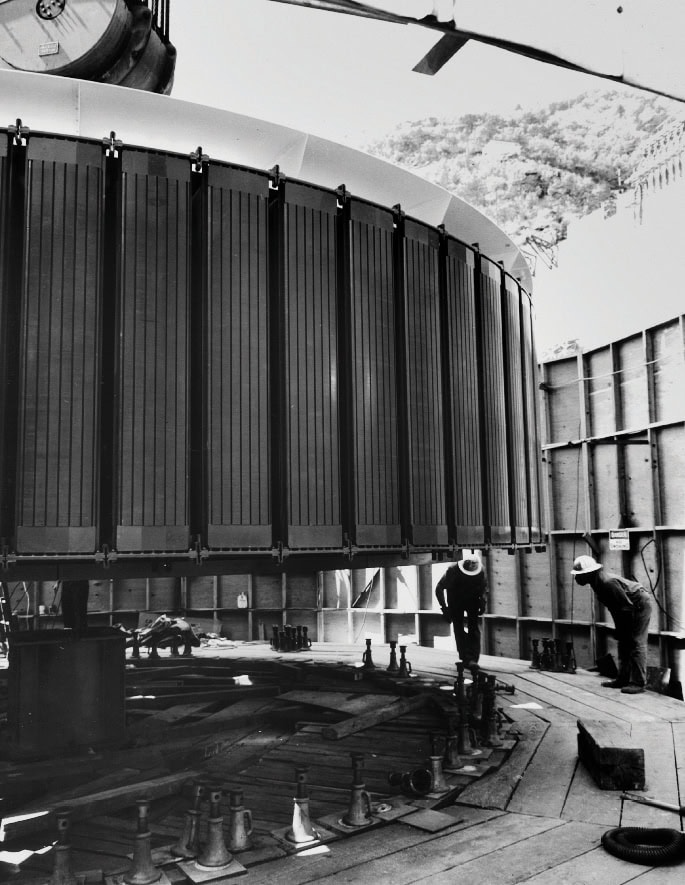
The first hydroelectric generators come online, allowing the Smith Mountain Project to begin producing electricity for peak demand.
On March 7, at 5:03 a.m., Smith Mountain Lake reaches full pond at 795 feet for the first time, a milestone that marks the official birth of the lake as it is known today.
The West Central 4‑H Educational Center opens on 120 acres along the shores of the lake, offering camps, conferences and outdoor education for youth and community groups. Renamed the W. E. Skelton 4-H Educational Conference Center in 1995, it continues year-round programming.
Appalachian Power opens a visitor center at the dam, introducing the public to the scale, purpose and technology behind the Smith Mountain Project.
Curiosity and recreation begin to follow the water, with early fishing, boating and sightseeing drawing visitors despite limited shoreline development.
Land is set aside for future public use, laying the groundwork for what will later become Smith Mountain Lake State Park.
In the 1970s, Smith Mountain Lake remained largely rural and remote, a place defined by winding roads, wooded shorelines and a slower pace of life. Modest cabins, simple lake houses and trailer parks dotted the shoreline, most used as weekend retreats rather than permanent residences.
Early marinas emerged as the first gateways to the water, providing access, fuel and gathering places for boaters and anglers. Leisure and fishing culture flourished, with long summer days spent on the water helping shape the lake’s identity.
While development remained limited, the decade quietly laid the groundwork for what would follow, setting the stage for the real estate boom and full-time lake living that defined the 1980s.
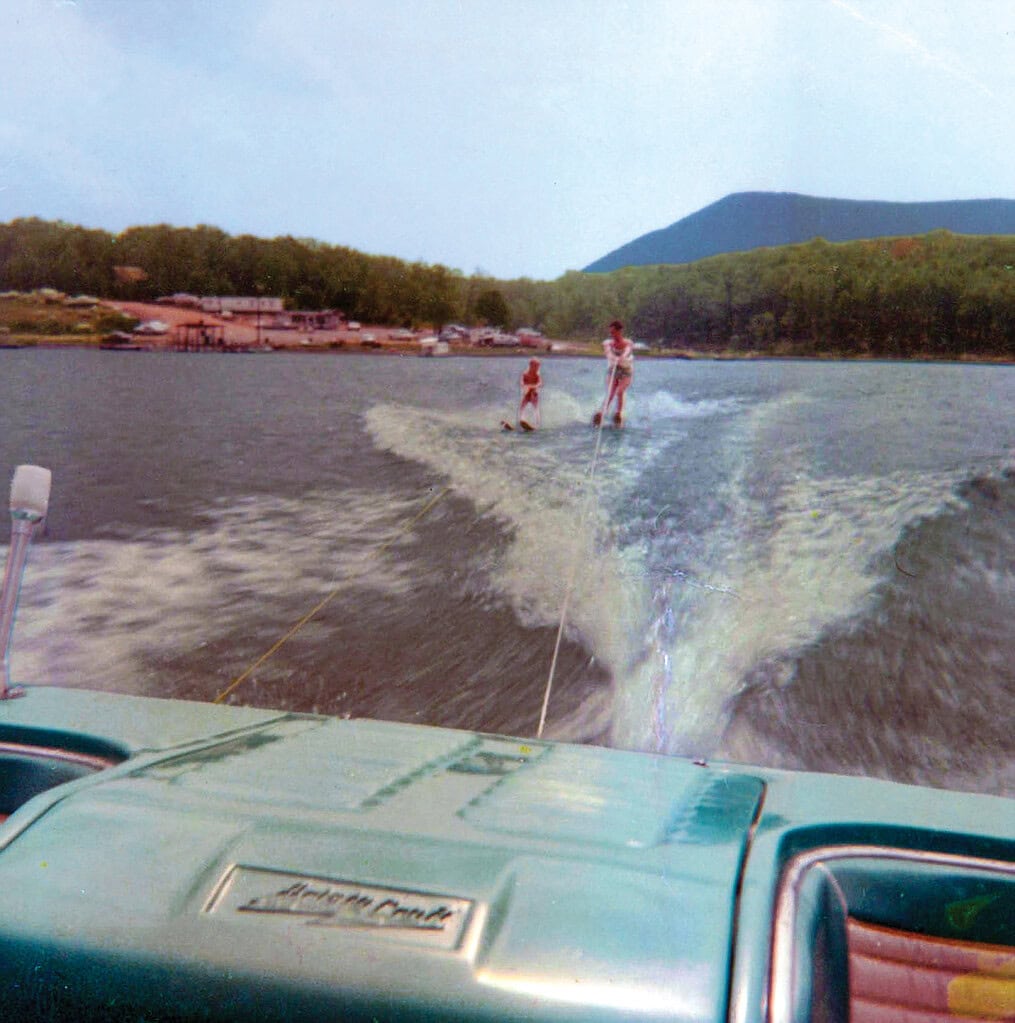
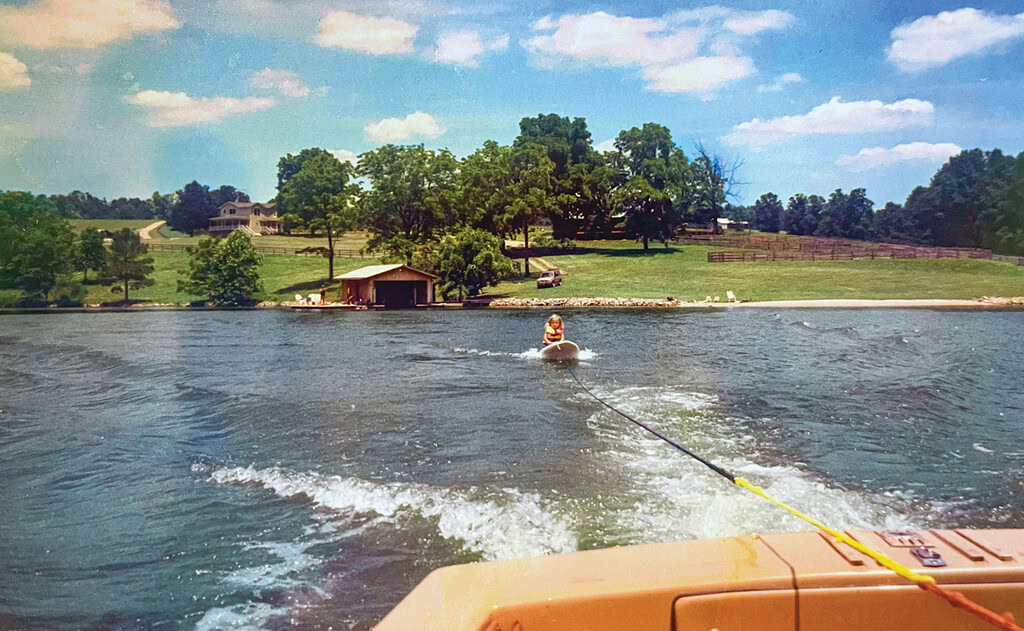
Smith Mountain Lake becomes known as Virginia’s largest inland lake entirely within the state, covering more than 20,600 acres with over 500 miles of shoreline. It’s a geographic distinction that helps define its appeal as a major inland destination..
Striped bass stocking programs gain traction, establishing SML as an emerging striper fishing destination and shaping its recreational economy.
As boating traffic increases, more marinas begin to open, expanding access and on-water services. Gross Point Marina opens, offering boat service, fuel, camping and fishing supplies, groceries and a restaurant renowned for its hot dogs. Located across from what is now Bernard’s Landing, Gross Point Marina burns in the early 1980s, and the property is eventually redeveloped as single-family homes.
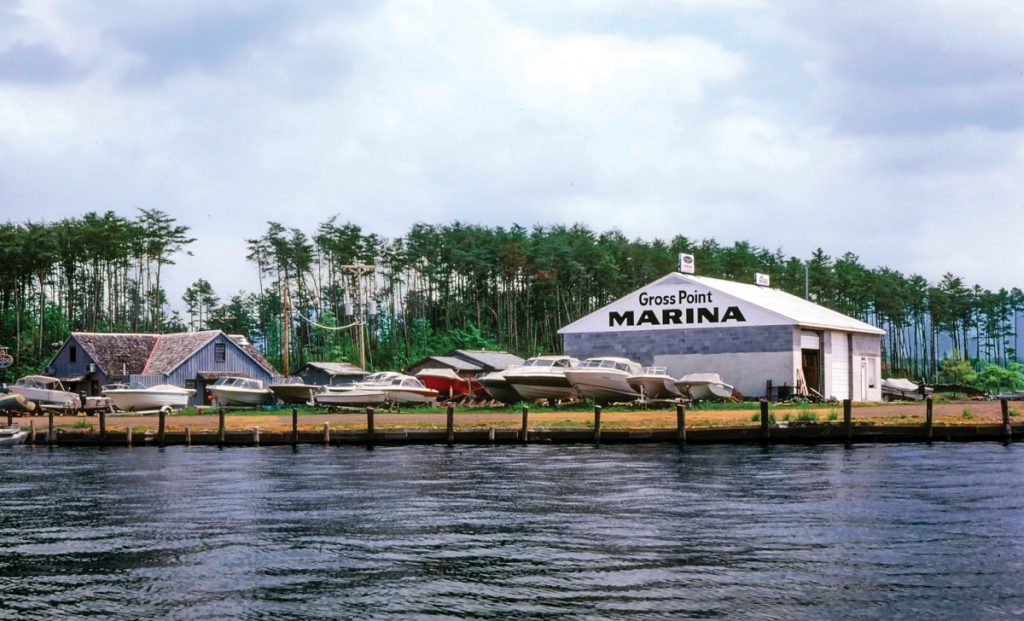
Construction begins on what will become Smith Mountain Lake State Park, reinforcing the lake’s identity as a public recreation destination.
A fifth hydroelectric generator is installed at the project, expanding generating capacity as demand grows.
By the 1980s, Smith Mountain Lake was no longer just a weekend escape. The decade marked a clear turning point as the lake began to mature into a true destination, with everyday life shaped increasingly by organized recreation, growing amenities and more intentional development.
Commercial activity became more visible and centralized, giving residents and visitors new places to gather both on and off the lake. Recreation expanded beyond informal boating and fishing to include a wider range of experiences that encouraged families, retirees and second-home owners to put down roots.
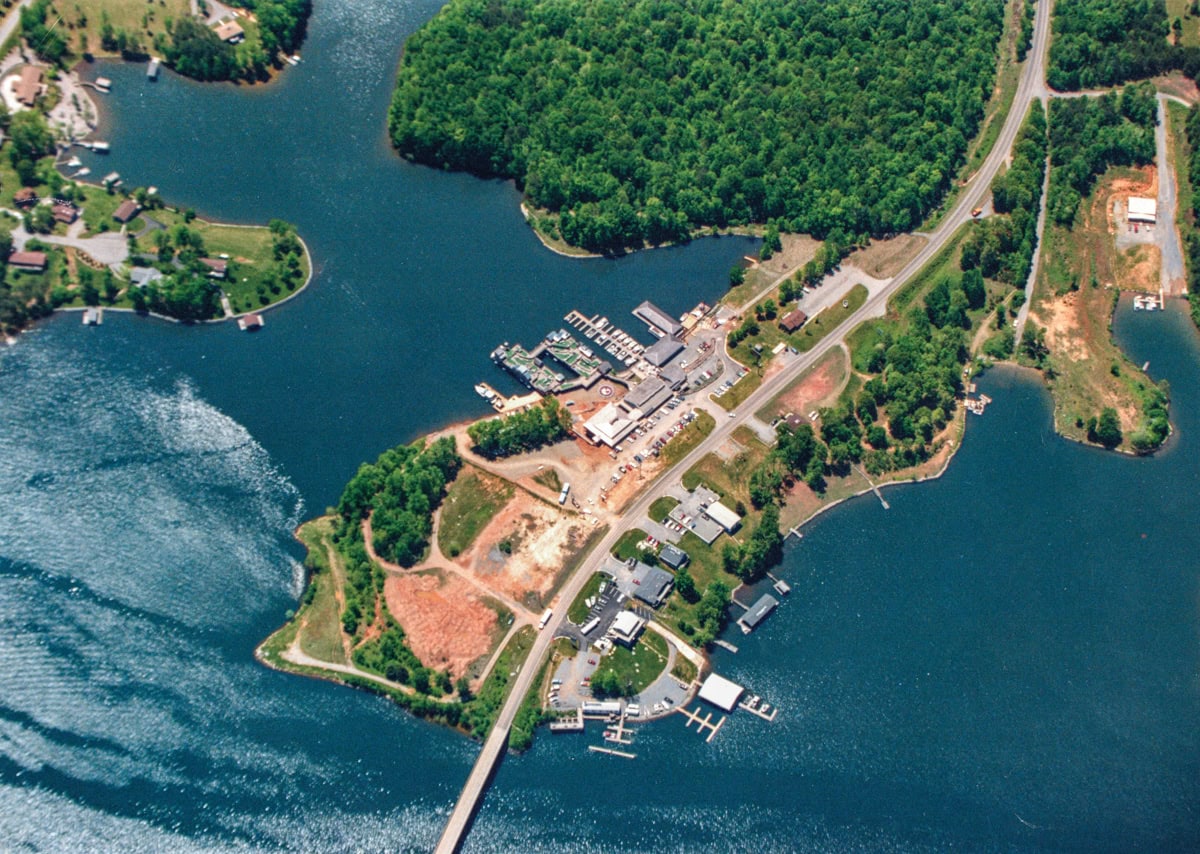
Residential growth accelerated as well, with the emergence of planned communities that reflected a shift toward full-time and seasonal lake living rather than simple weekend use. At the same time, public access and outdoor opportunities continued to expand, reinforcing the lake’s role as a shared regional resource.
By the end of the decade, Smith Mountain Lake had entered a new phase. The foundation of modern lake life was firmly in place, setting the stage for the growth, identity and sense of community that would define the years ahead.
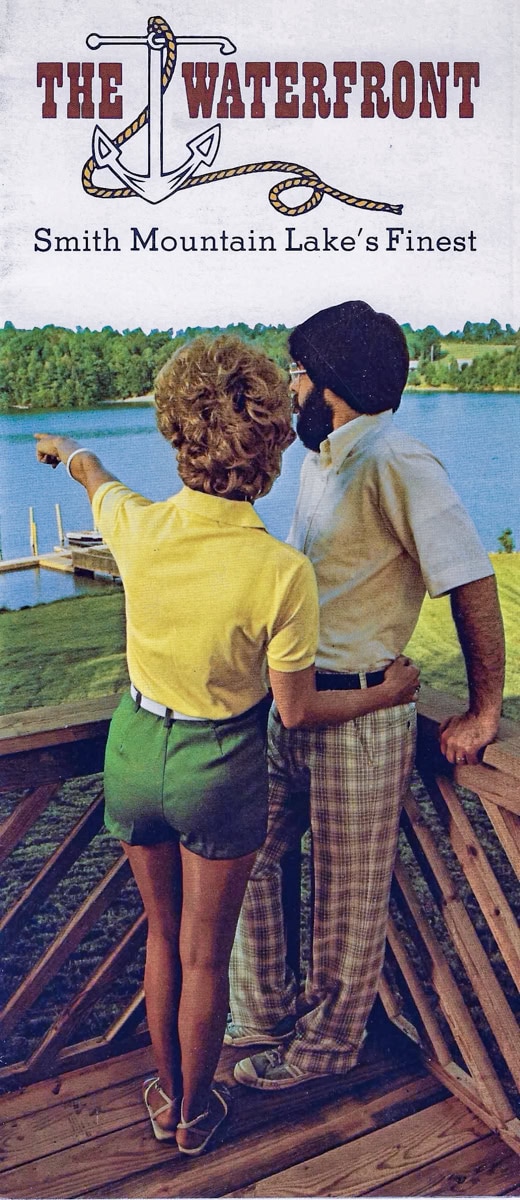
The Waterfront Country Club opens its first nine holes in 1981, with the second nine completed in 1984. Developed by Franklin County native Ron Willard, a pioneer of Smith Mountain Lake development, the club reflects his vision for introducing resort-style amenities that will help shape year-round lake living.
Smith Mountain Lake State Park officially opens, offering camping, trails and public access that expand recreation beyond private shorelines.
Founded by Phil Rife and Dave Caldwell, ShopRite opens on Virginia 122 in Bedford County as the lake’s first grocery store, bringing full-service grocery shopping to the growing community.
Vista Pointe rises as a six-story, 48-unit waterfront condominium project developed by David Wilson. Jutting out on a peninsula near the mountain, it becomes a distinctive lake landmark.
Fairway Village Shopping Center opens at the intersection of Virginia 122 and 616 as one of the area’s first concentrated retail clusters. Among its early staples is the original Sal’s Pizza.
Bridgewater Plaza opens near Hales Ford Bridge, developed by the Waters family as one of the lake’s first true commercial hubs. With waterfront dining, shops and later additions like Harbortown Mini Golf, the plaza becomes a gathering place where boating culture, family recreation and lakeside leisure come together.
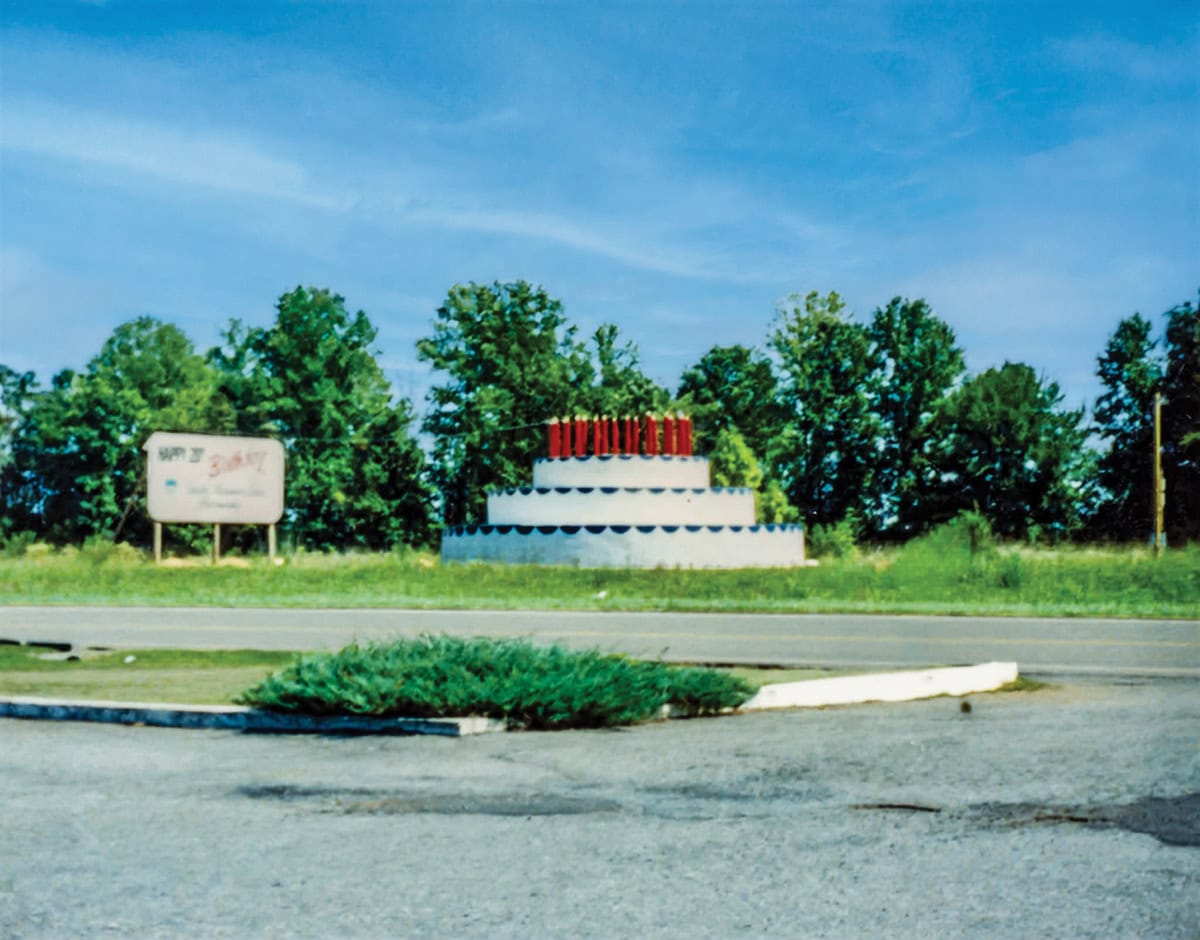
SML marks its 20th anniversary with a community celebration featuring a giant birthday cake near Hale’s Ford Bridge. The effort is led by the Smith Mountain Lake Partnership, under Dave Cappellari of Capps Home Building Center, and built by volunteers. Events include a boat parade and a beauty pageant.
David Wilson develops Bernard’s Landing as one of SML’s first large-scale residential communities, signaling a shift toward planned, amenity-driven lakefront living. With marina access, shared amenities and a cohesive neighborhood design, the development sets a new standard for residential growth at the lake.
The Smith Mountain Lake Association’s water quality monitoring program, in partnership with Ferrum College, begins. Over decades of continuous data collection, the program becomes a cornerstone of lake stewardship, providing long-term insights into water health and shaping community conversations about environmental protection.
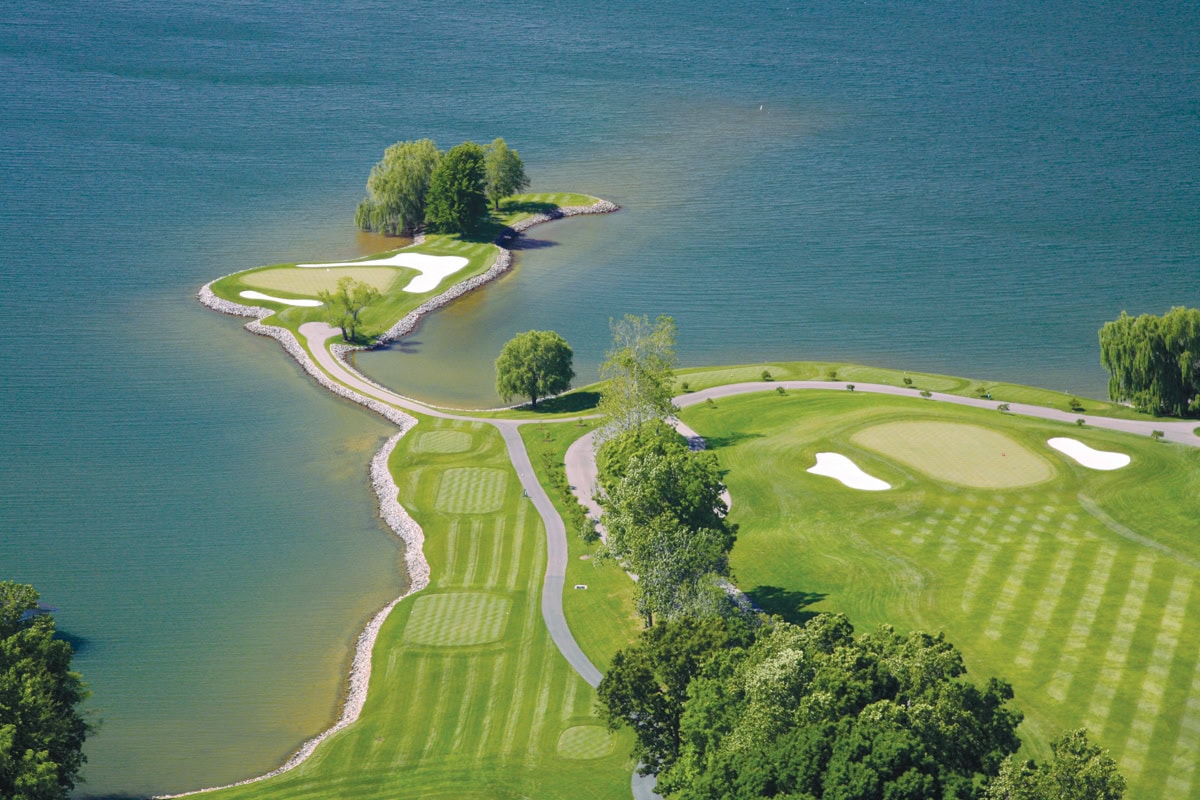
Ron Willard opens The Water’s Edge Country Club on the rural south side of the lake. The club expanded golf and resort-style living beyond the lake’s central corridors, making SML more accessible and appealing to residents and visitors from North Carolina while shaping growth on the lake’s quieter southern shoreline.
The first Smith Mountain Lake Wine Festival is held, launching what would become the lake’s largest and longest-running annual event. Hosted at the historic Manor at Taylor’s Store near Burnt Chimney, the Wine Festival helps extend the tourism season and becomes a cornerstone of the lake’s annual events calendar.
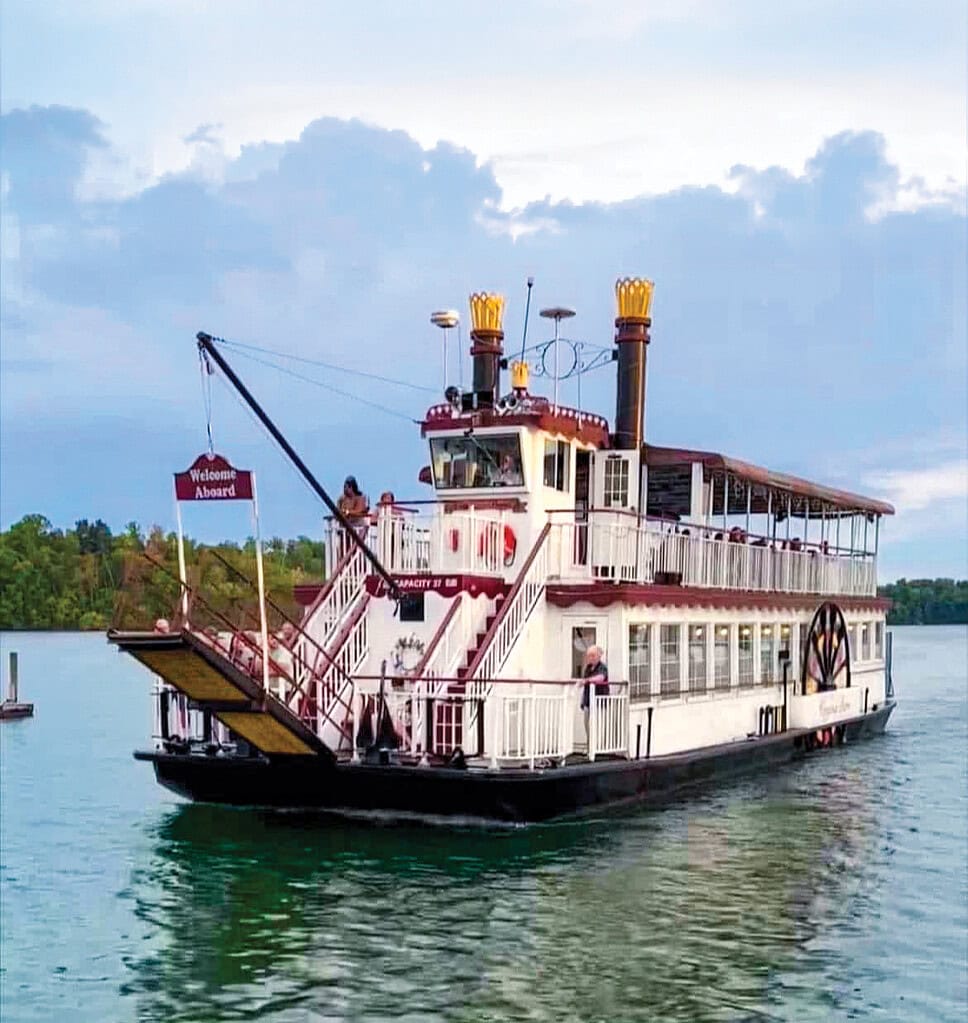
The Virginia Dare arrives at SML after being crafted in La Crosse, Wisconsin. The 63-foot side-wheeler replica quickly becomes a recognizable feature on the water, offering sightseeing, themed and holiday cruises that introduce a new kind of leisure boating and special-event experience at the lake.
The Smith Mountain Lake Chamber of Commerce is founded, providing a formal organizational structure to promote tourism, economic growth and community interests around the lake.
Chestnut Creek Golf Course opens, serving the SML area for nearly three decades before being rebranded as The Westlake Golf & Country Club and eventually evolving into today’s Copper Cove Golf Club.
By the 1990s, Smith Mountain Lake had moved beyond its formative years and into a period of refinement. The decade was less about firsts and more about momentum, as the patterns established in the 1980s became part of everyday life. What had emerged as a destination began to function increasingly as a community.
Recreation, residential living and commerce continued to expand, but with greater organization and intention. Planned developments matured, marinas and commercial centers found their footing, and more homeowners began spending longer stretches of time at the lake. The shift toward full-time and seasonal residency became more pronounced, changing the rhythm of life on and off the water.
The 1990s also brought broader visibility. National attention from pop culture moments and growing regional tourism reinforced Smith Mountain Lake’s appeal well beyond Southwest Virginia. At the same time, increased activity prompted deeper conversations about planning, environmental stewardship and how to balance growth with preservation.
By the end of the decade, SML was no longer simply a place people visited. It was a place people belonged. The foundation of modern lake life — community organizations, year-round amenities and a shared sense of identity — was firmly in place, setting the stage for the commercial expansion and reinvestment that would define the 2000s.
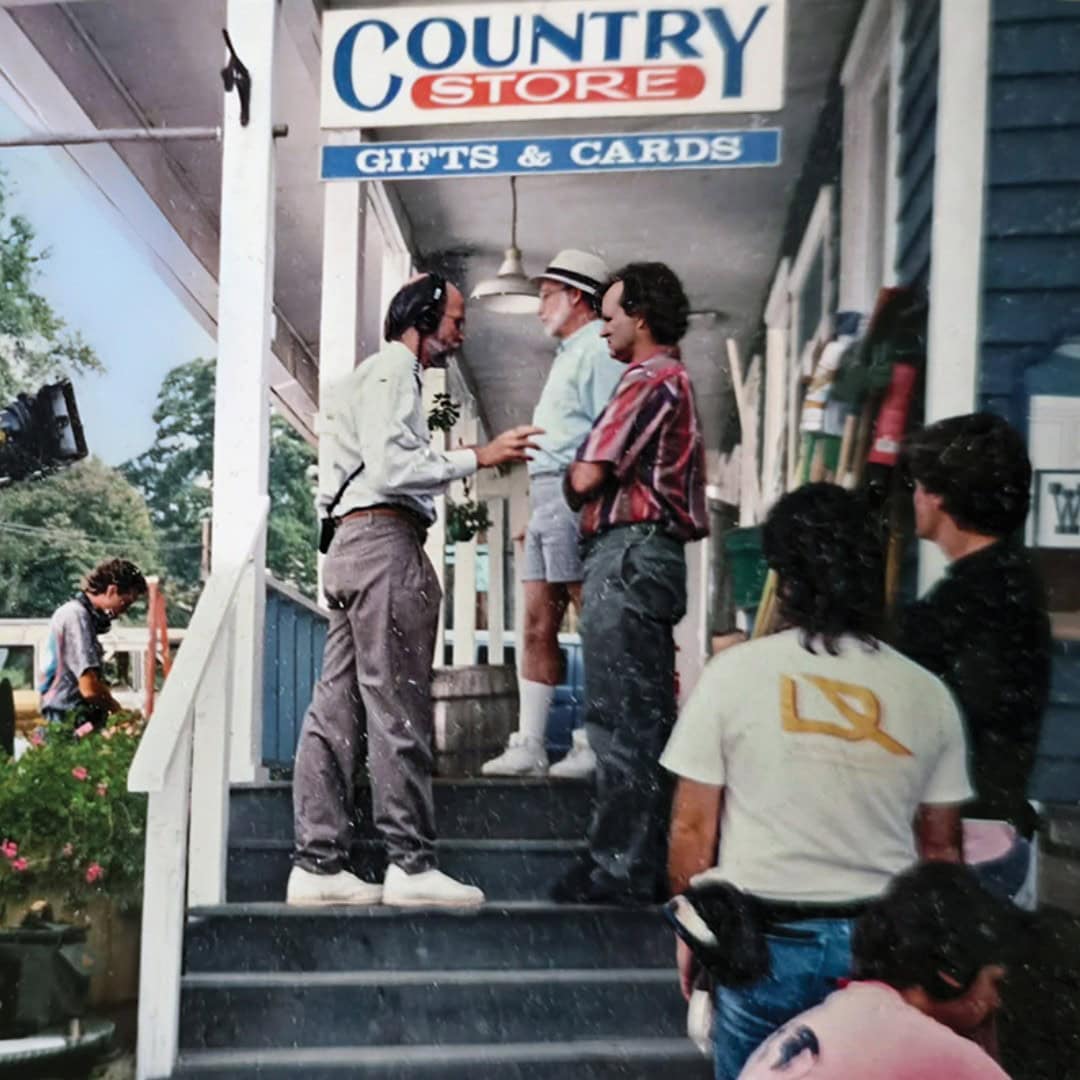
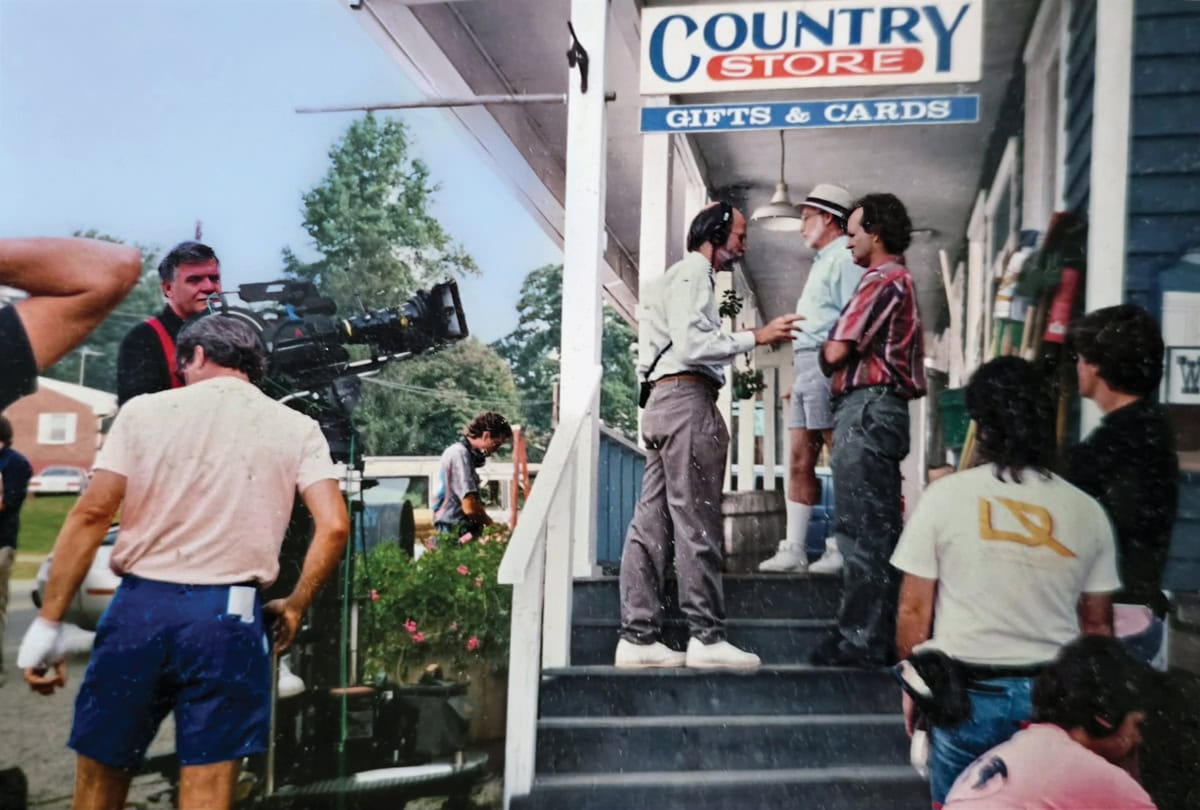
The movie “What About Bob?” starring Bill Murray and Richard Dreyfuss is filmed at Smith Mountain Lake, bringing national attention to the lake’s scenery and reinforcing its reputation as a premier vacation destination.
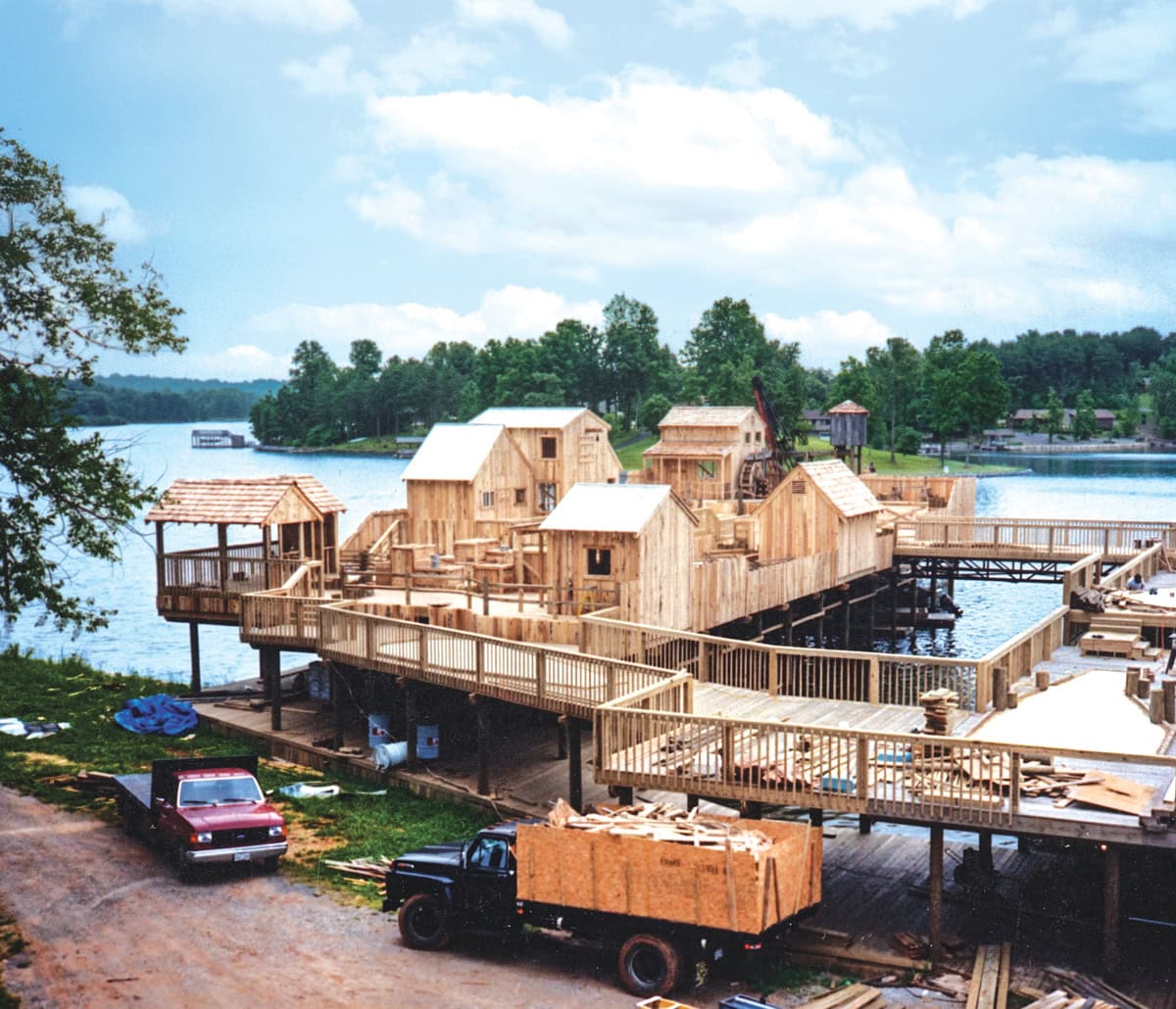
Bridgewater Plaza and surrounding commercial areas continue to grow, including the construction of Harbortown Mini Golf, perched above the docks overlooking the water. Together, these additions help solidify the Hales Ford Bridge corridor as one of the lake’s most active hubs for dining, retail and marina access.
As residential density and boating activity increase, Bedford and Franklin counties place greater emphasis on zoning, shoreline use and lake management. Growth pressures prompt more formal planning conversations aimed at balancing development with environmental protection and long-term sustainability.
The lake’s original Food Lion opens at what is now Westlake Corner, marking a major milestone in the area’s transition toward full-time living. The arrival of the 29,000-square-foot full-service grocery store reflects growing year-round demand and helps establish the Westlake area as a practical, everyday center for residents.
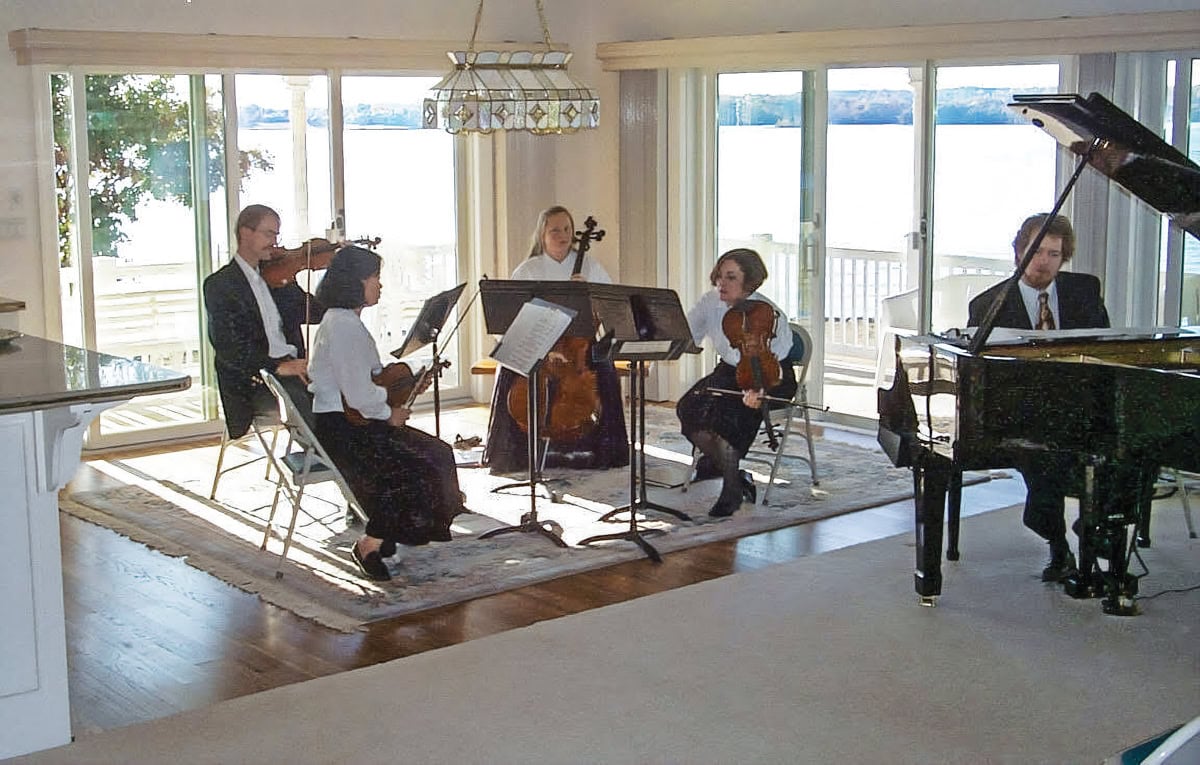
The Smith Mountain Arts Council is founded, creating a formal organization dedicated to promoting arts, music and cultural programming at SML and enriching the community beyond traditional lake recreation. Early concerts take place in members’ homes.
After a three-year naming debate, a citizen committee recommends Westlake Corner for the area surrounding the intersection of Virginia 122 and 616. The Franklin County Board of Supervisors approves the name over the other finalists, Lakewood and Duncan’s Corner, formally establishing Westlake Corner as the lake’s central crossroads as retail development, signage and traffic patterns follow.
Ron Willard, developer of The Waterfront and The Water’s Edge country clubs, purchases Chestnut Creek Golf Course and rebrands it as The Westlake Golf & Country Club, aligning golf and retail under a unified Westlake identity. The property is sold in 2021 and renamed Copper Cove Golf Club.
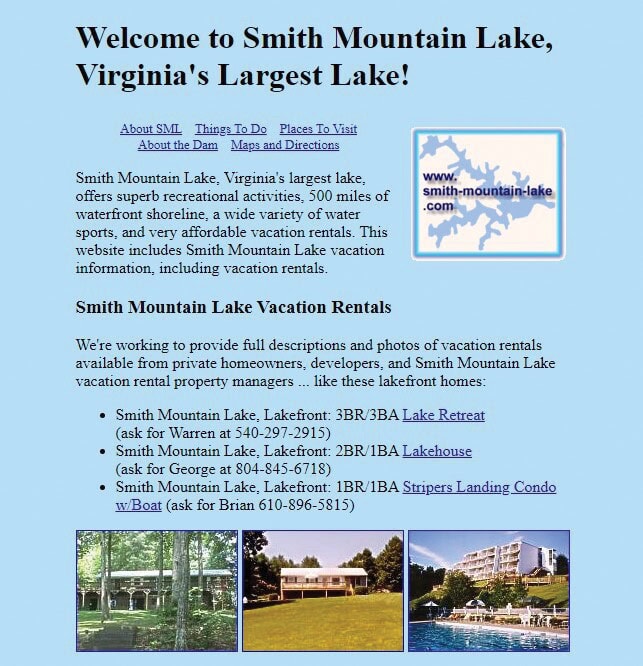
Entrepreneur Brian Raub launches the SML Insiders’ Guide as a website dedicated to sharing information about Smith Mountain Lake. The early digital platform helps connect residents, visitors and businesses at a time when online local media is still in its infancy, laying the groundwork for what would later grow into a multi-platform publication.
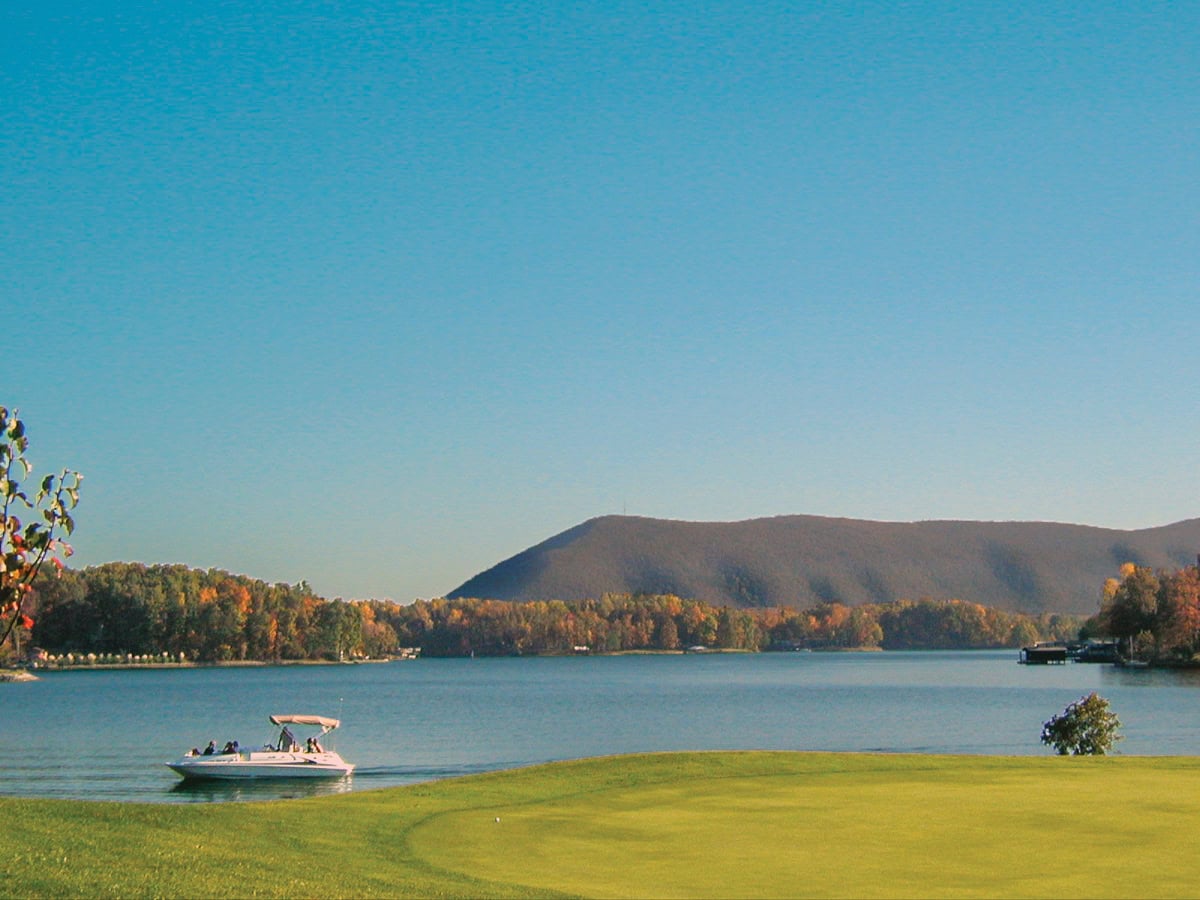
The property originally known as Deerwood Pointe is purchased and begins its evolution into Mariners Landing Resort and Country Club, setting the stage for future reinvestment and long-term growth.
The first decade of the new millennium marked a period of reinvestment and redefinition at Smith Mountain Lake. After years of steady growth, the lake entered the 2000s with the infrastructure, population and confidence to support a more centralized, year-round community. The focus shifted from simply expanding outward to strengthening what already existed.
Commercial development took a decisive turn as off-water destinations began to complement lakeside life. New retail, services and gathering places helped reduce the lake’s seasonal feel, giving residents and visitors more reasons to stay connected beyond summer weekends. For the first time, Smith Mountain Lake functioned not only as a place to live and play, but as a place to run errands, meet friends and conduct everyday life.
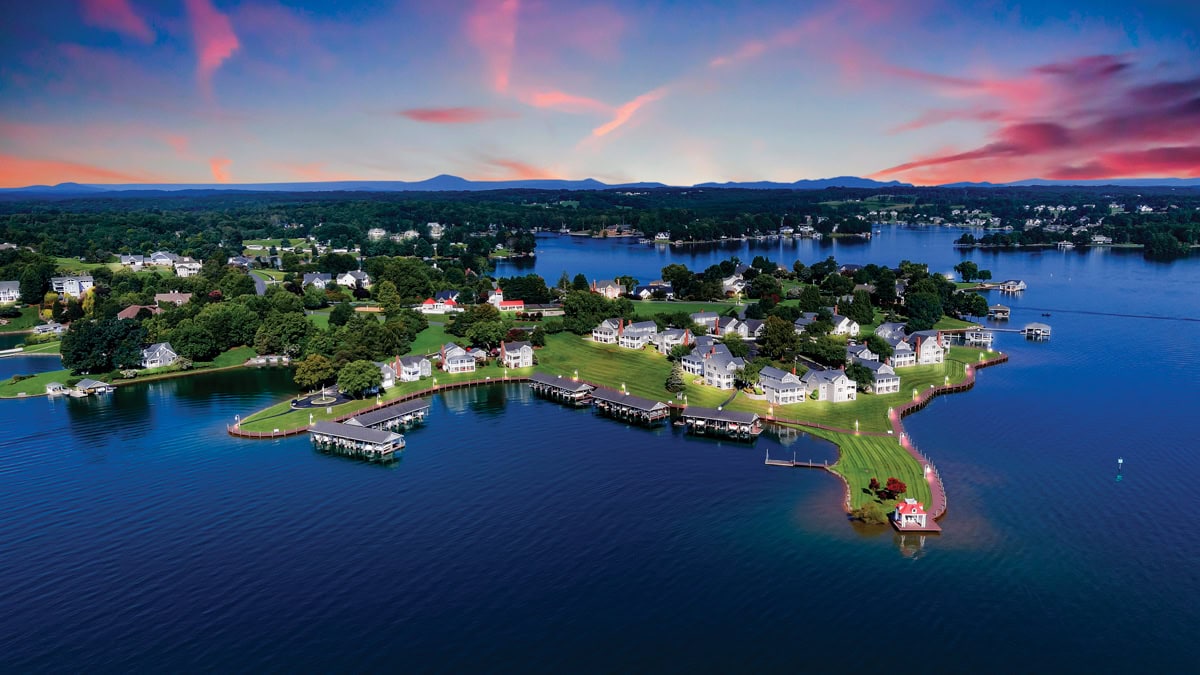
Residential patterns continued to evolve as well. Larger homes, townhomes and resort-style communities reflected changing expectations, with buyers seeking convenience, amenities and a sense of neighborhood alongside lake access. The balance between recreation and routine became more defined, reinforcing the lake’s appeal to full-time residents and retirees.
The decade also brought a renewed emphasis on identity. Community organizations, businesses and developers increasingly spoke the same language about what Smith Mountain Lake was — and what it could become. By the end of the 2000s, the lake had entered a more mature phase, with a clear center of gravity and a foundation that would support the growth, branding and diversification of the years ahead.
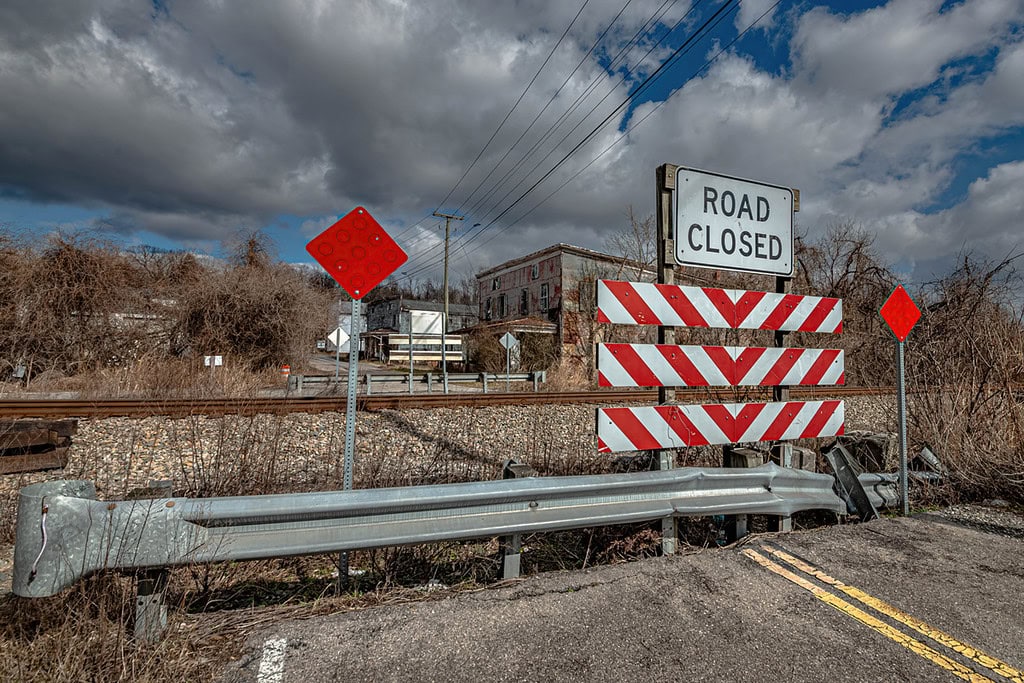
The Virginia 122 bypass reroutes traffic around Moneta, closing the railroad crossing and turning the historic stretch into a dead end. The change reshapes local traffic patterns and sets the stage for future commercial development along the corridor.
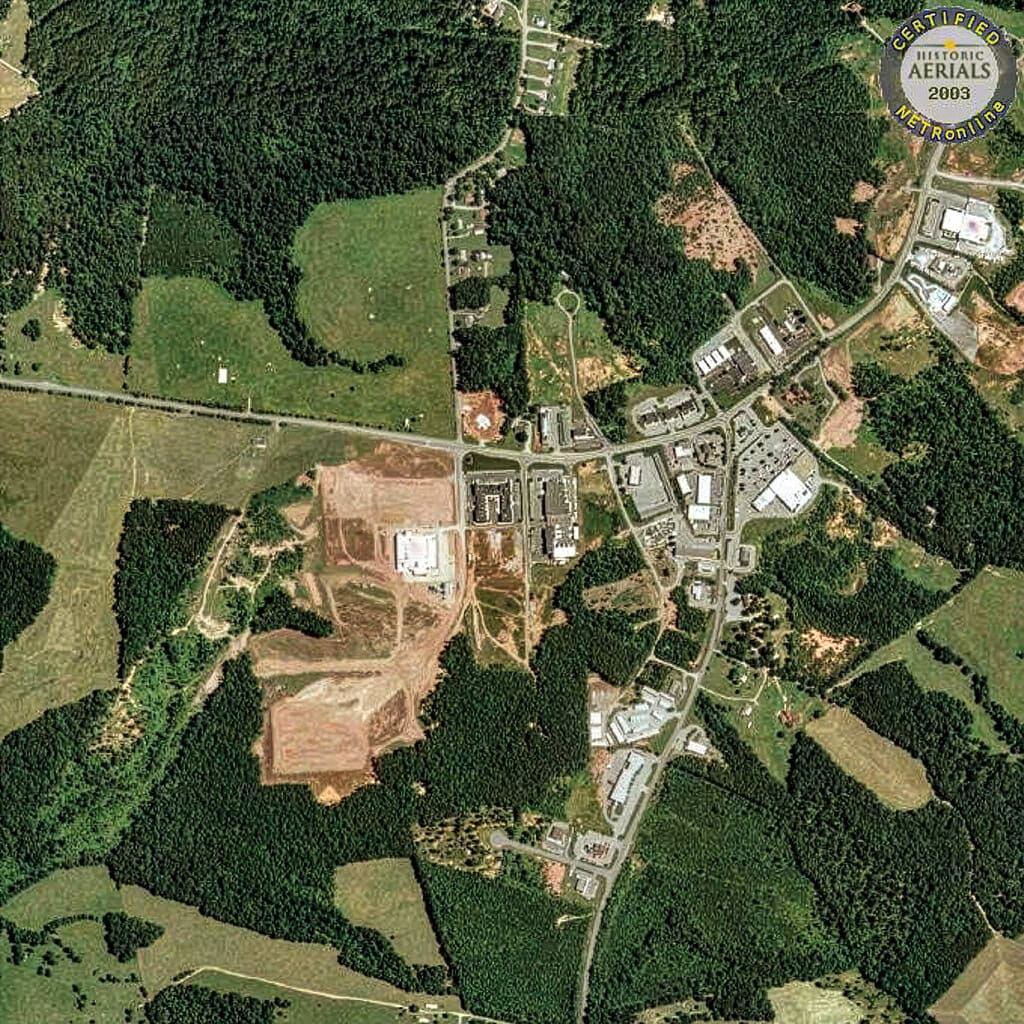
Westlake Towne Center opens, anchored by a 55,000-square-foot Kroger grocery store. Developed by Ron Willard of The Willard Companies, the center helps establish Westlake Corner as the lake’s primary commercial hub. In 2019, Kroger completes an $80 million renovation and expansion, reinforcing Westlake’s role as a regional retail anchor.
Residential construction trends shift toward larger custom homes, townhomes and resort-style communities, with an increased emphasis on amenities, maintenance-free living and lifestyle appeal. The change reflects growing demand for both full-time and seasonal residence at the lake, particularly among retirees and long-term homeowners.
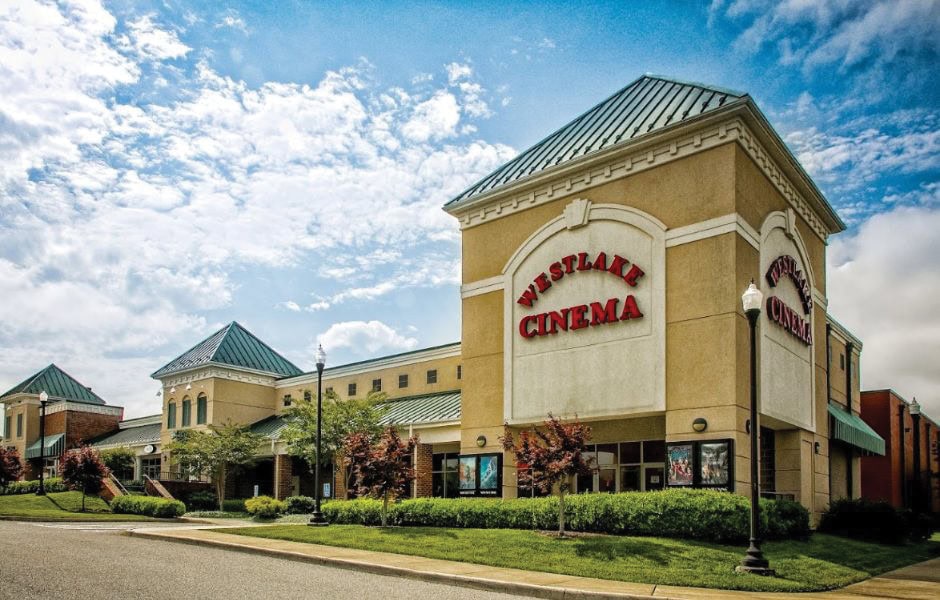
Westlake Cinema opens at Westlake Towne Center as a 14,000-square-foot, four-plex movie theater, giving SML a modern indoor entertainment venue.
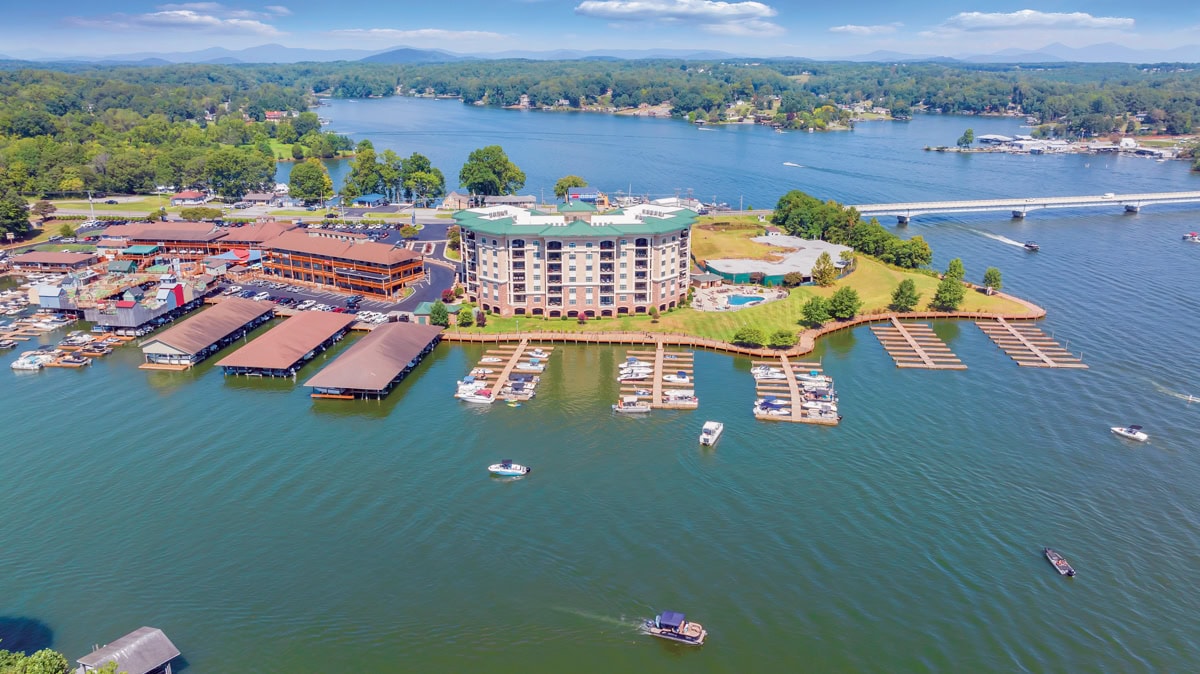
Bridgewater Pointe is completed, introducing high-rise condominium living to Smith Mountain Lake and reflecting growing demand for lock-and-leave residences with panoramic lake views near Bridgewater Plaza.
Smith Mountain Lake hosts the Bassmaster Elite Series “Blue Ridge Brawl,” one of the sport’s top professional bass fishing tournaments. The event is featured on ESPN2, bringing national television exposure to the lake’s bass fishery and reinforcing SML’s growing identity as a premier destination for competitive fishing.
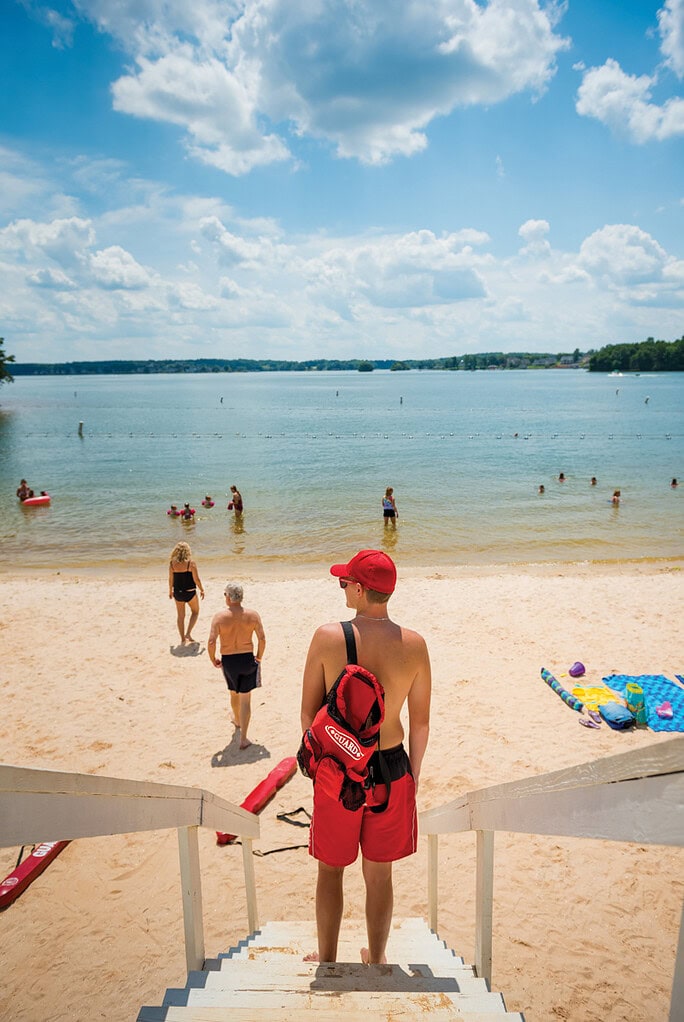
Smith Mountain Lake Community Park opens in Franklin County, providing a centrally located public space with swimming, fishing access, trails, picnic areas and family-friendly amenities that support year-round lake life.
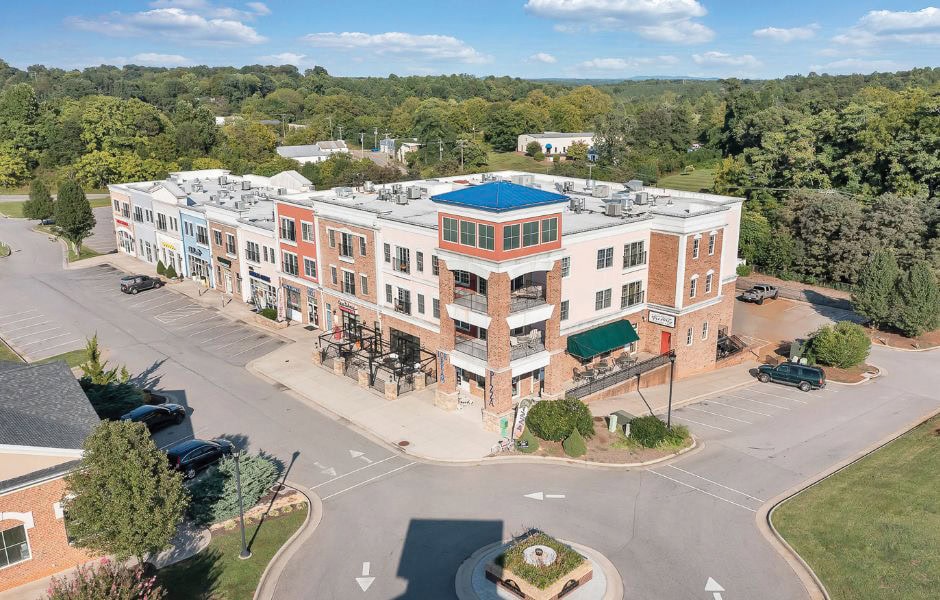
Downtown Moneta’s first shops and restaurants open along Virginia 122, launching a new era of commercial growth in Bedford County. Developed by George Aznavorian, the project becomes a central gathering place for residents and visitors.
Growth slows during the national economic downturn, briefly tempering development while reinforcing the importance of established commercial centers and diversified tourism.
By the 2010s, Smith Mountain Lake had fully arrived as a year-round community, and the focus shifted from building the lake to sustaining it. The decade opened with renewed investment in amenities, businesses and experiences that reflected a more permanent population and a growing regional profile. What followed was a period defined by reinvention, resilience and renewed pride in place.
Recreation and tourism continued to evolve, but with greater sophistication and coordination. Signature events expanded, new ones emerged and the lake’s natural beauty increasingly served as a backdrop for arts, culture and community gathering. At the same time, reinvestment in established properties signaled confidence in the lake’s long-term future.
The era also brought heightened awareness of stewardship and balance. As usage increased, conversations around water quality, infrastructure and thoughtful growth became more central, with community organizations and volunteers playing an increasingly visible role. The lake’s identity matured alongside its population, blending recreation with responsibility.
“Lake Effects” is filmed at SML. Produced by Sara Elizabeth Timmins, whose parents live at the lake, it stars Scottie Thompson, Jane Seymour and Madeline Zima. The Hallmark Movie Channel film draws widespread community support and showcases SML to a national audience.

A shooting at Bridgewater Plaza claims the lives of journalists Alison Parker and Adam Ward during a live television broadcast. Vicki Gardner, executive director of the SML Regional Chamber of Commerce, is critically wounded but survives. One month later, hundreds gather on land and water at Bridgewater Plaza for a Day of Remembrance, joining hands in solidarity. The tragedy profoundly impacts the community and is remembered for the extraordinary outpouring of support and the long path toward healing that followed.
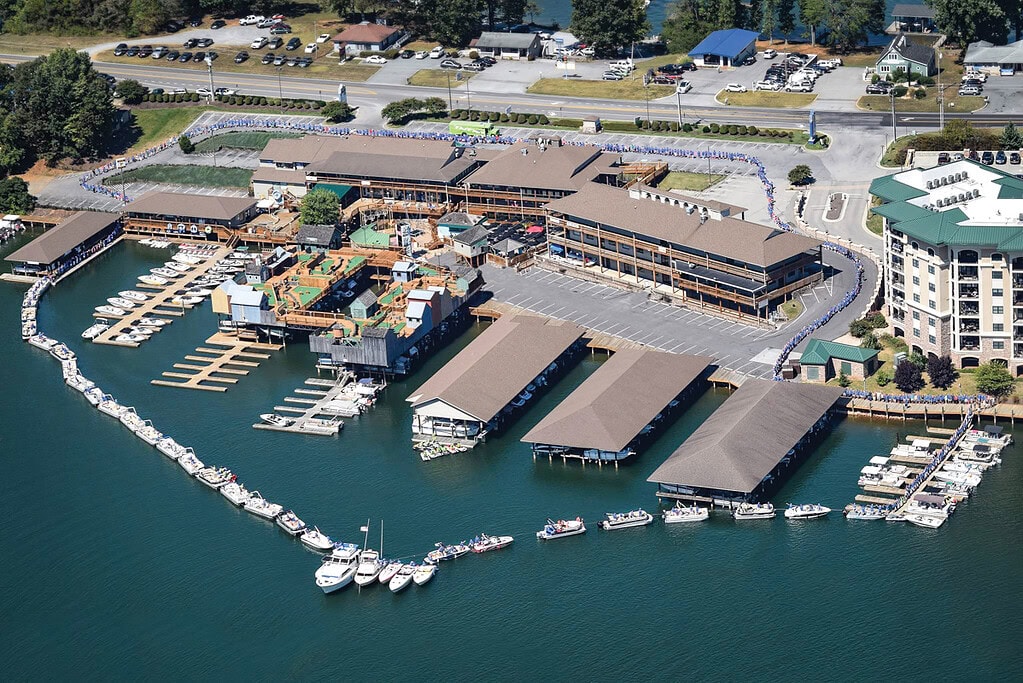
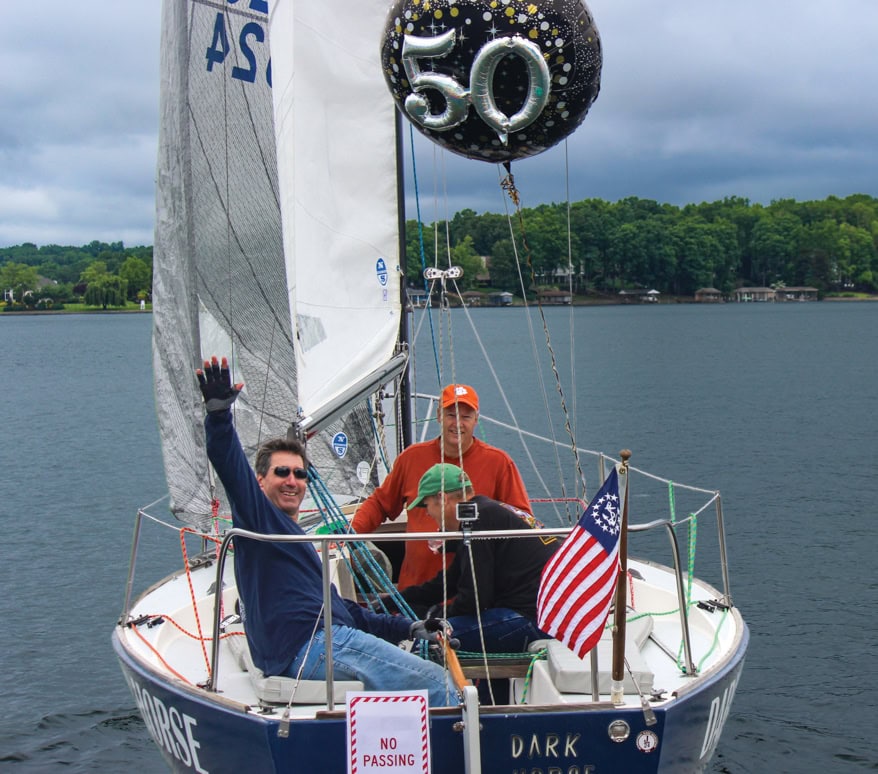
Smith Mountain Lake marks 50 years since first reaching full pond (795 feet above sea level) with community-wide celebrations, historical programming and a commemorative time capsule reflecting five decades of growth since 1966. Among the events is a Guinness World Record attempt for the most people floating in a single, continuous line.
Reinvestment accelerates across established lake communities and commercial areas, with renovations, upgrades and ownership changes signaling confidence in SML’s long-term future.
Tom Branch and Waller Perrow purchase Mariners Landing, marking a significant moment of reinvestment in one of the lake’s most recognizable resort communities.
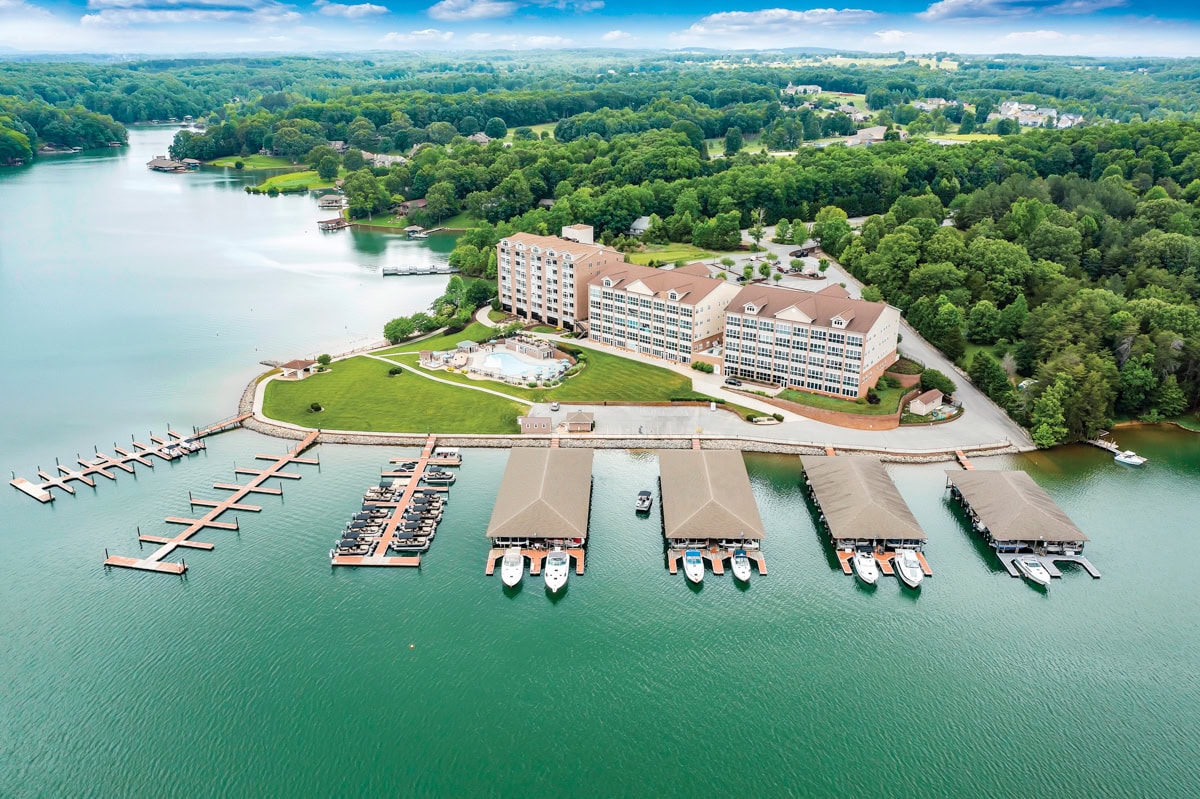
Demand for housing and short-term rentals rises sharply, accelerating residential growth and prompting renewed focus on zoning, infrastructure and shoreline management.
The COVID-19 pandemic reshapes Smith Mountain Lake’s demographics as remote work allows more people to live farther from urban job centers. Younger professionals and families relocate to the lake full time, accelerating population growth and shifting SML from a primarily seasonal destination to a more age diverse, year-round community.
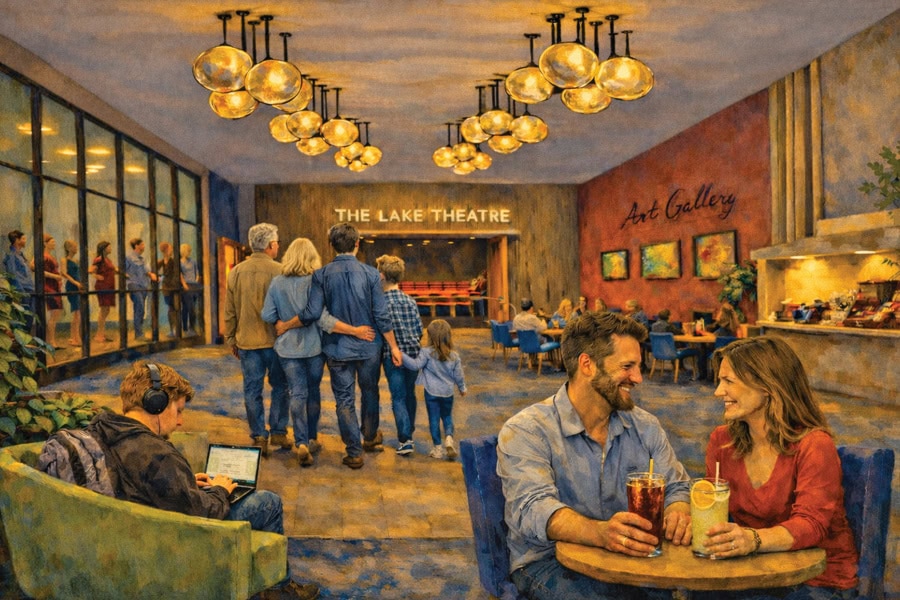
The Smith Mountain Lake Center advances plans to transform Westlake Cinema into a multi-purpose community and arts center, addressing long-standing demand for indoor cultural and gathering space at SML.
The decade narratives, timeline entries and 50th anniversary coverage were developed using a combination of historical records, archival reporting, organizational histories and firsthand accounts.
Key resources included: Appalachian Power, The Roanoke Times, Smith Mountain Eagle, SML Regional Chamber of Commerce, Wikipedia, Cardinal News, WDBJ7, Smith Mountain Lake Association and Blue Ridge PBS. In addition, firsthand interviews and long-time resident accounts helped capture informal history, naming conventions and lived experiences.
Special thanks to The Willard Companies for access to its historical archives.
by Barb Nocera
This article traces the origins and evolution of Smith Mountain Lake, from the construction of the dam to the growth of the lake as a recreation destination and community. Originally developed as a Chamber resource, the article provides a clear, accessible introduction to the lake’s history and remains a helpful reference for both newcomers and longtime residents.

By Ken Lauterstein
This comprehensive history traces the SML region from its earliest Indigenous presence through the creation of the lake and modern development. Drawing on archaeological research, historical records and local insight, the book offers valuable context for understanding how the area evolved long before the dam was built
By James A. Nagy
Focused on the engineering and planning behind Smith Mountain Dam, this book examines the project that created the lake, from early design and construction challenges to the long-term impact of Virginia’s largest hydroelectric development.


By Victoria Gardner
Written by the former executive director of the SML Regional Chamber of Commerce, this personal memoir reflects on resilience, recovery and purpose following the 2015 Bridgewater Plaza shooting. The book offers a deeply human perspective on tragedy, healing and the strength of community.
Produced by Blue Ridge PBS, this documentary chronicles the creation and evolution of Smith Mountain Lake, from the construction of the dam to its growth as a regional destination and community. Featuring archival footage, photographs and interviews with longtime residents and leaders, the film explored the lake’s transformation from power project to destination and community and helped bring the lake’s story to viewers across the region and beyond.
A recorded interview with Dr. Jeffrey Fong, the designer of the Smith Mountain Project, offers rare firsthand insight into the engineering behind the lake’s creation. Reflecting on the challenges, decisions and long-term impact of the project, Dr. Fong helps bring the story of how Smith Mountain Lake came to be to life.
Written by longtime local resident and musician (and SML Insiders contributor) Jerry Hale, this original tribute pairs music with imagery of Smith Mountain Lake and its community. The accompanying video captures the pride, beauty and sense of place that define life at SML.

CO-PUBLISHER & EDITOR
Andie has been covering Smith Mountain Lake since 2000 for a variety of publications, including the SML Visitor and Newcomer Guide, SML HOME Magazine, The Roanoker and Life Outside. As a partner in G&C Ventures, LLC, she oversees all content for our suite of websites, including Smith-Mountain-Lake.com and LakeLubbers.com.