This page may contain affiliate links. If you click and purchase, we may earn a small commission at no extra cost to you. Read our full disclosure policy.
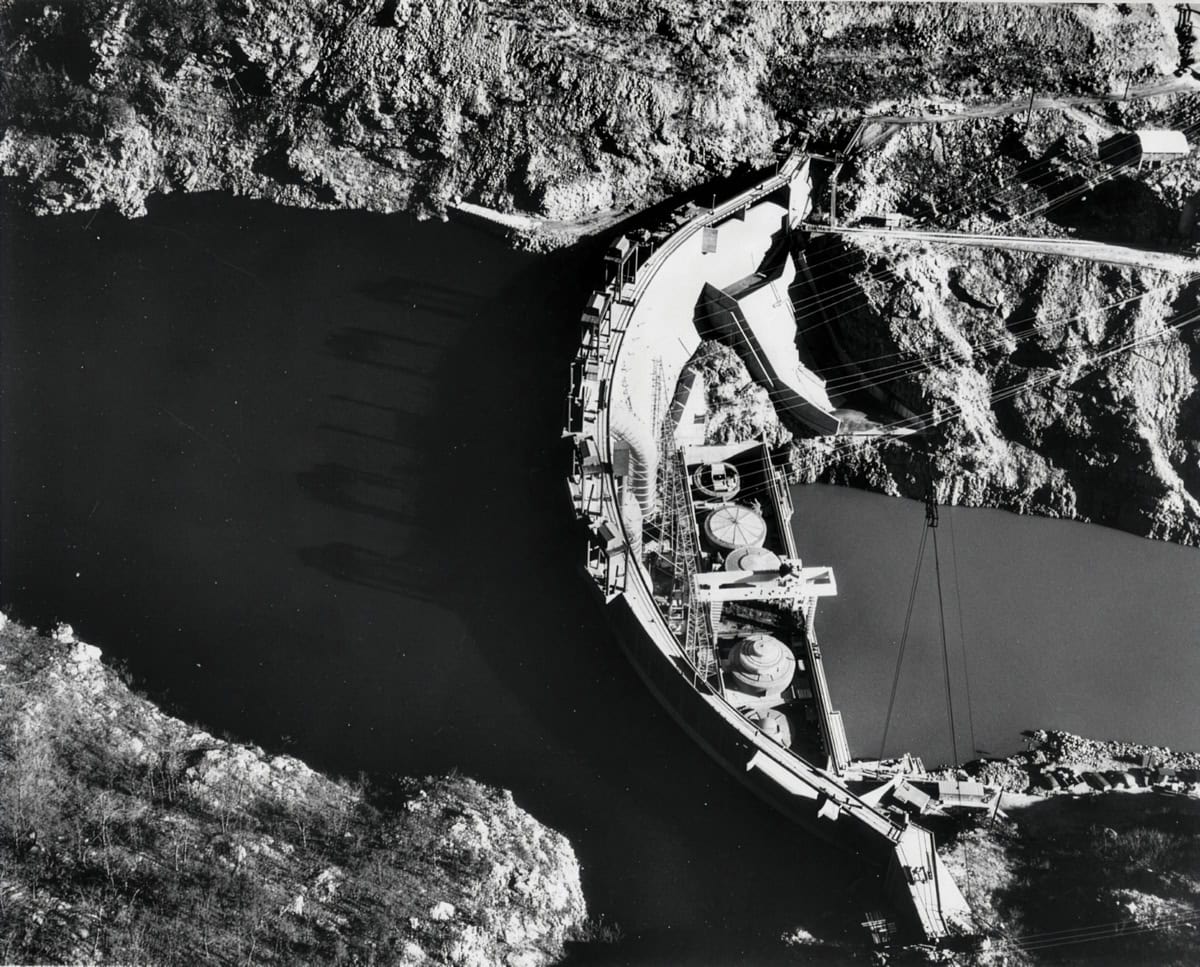
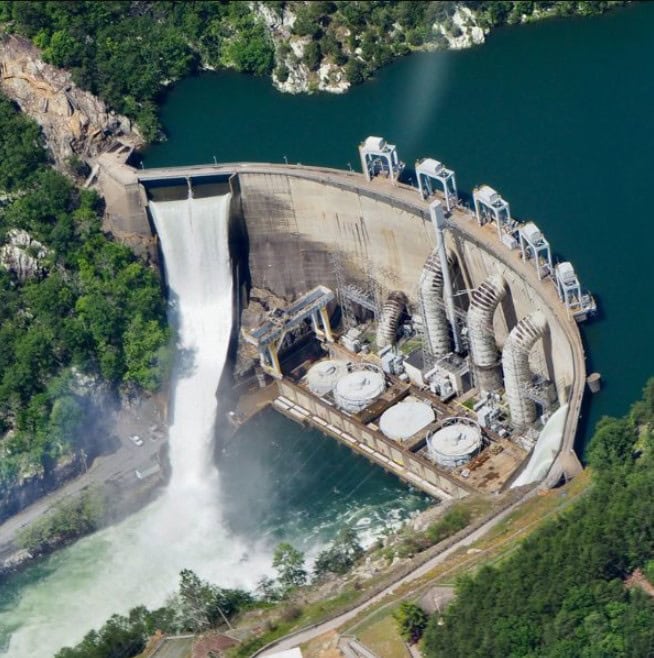
Most people know it simply as Smith Mountain Dam, but what powers the lake and much of the region is actually something bigger and more complex.
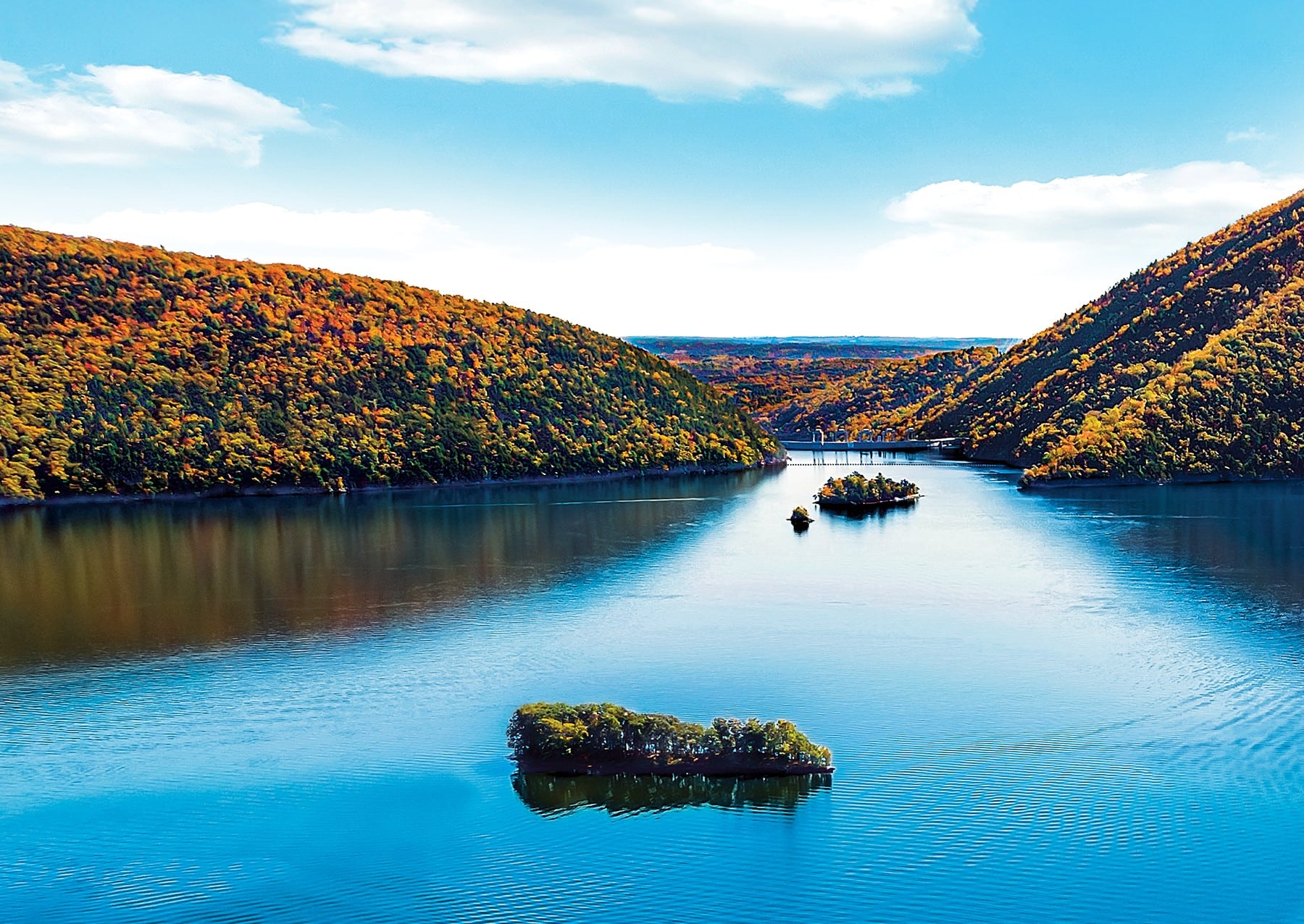
Officially called the Smith Mountain Project, the system includes two dams and two lakes working together to generate and store electricity. While Smith Mountain Dam is the most visible piece, it’s only one part of a carefully engineered operation that has been quietly supporting the electric grid for decades.
Understanding how the project works also helps explain one of the most common questions locals and visitors ask: Why does the lake level change?

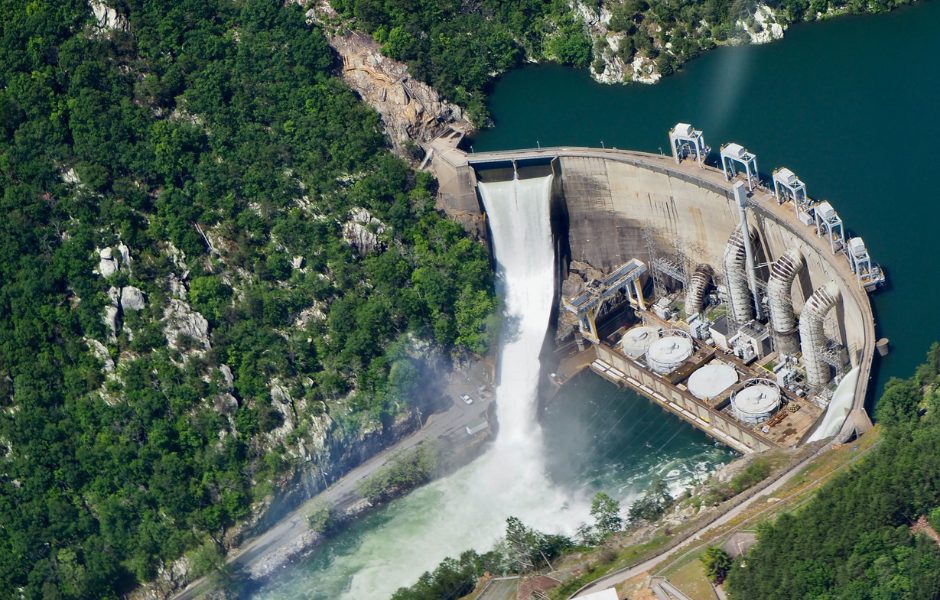
Virginia’s Smith Mountain Project is a pumped-storage hydroelectric system, a type of power generation designed to respond quickly to changes in electricity demand.
It includes:
Together, they function like a massive rechargeable battery for the power grid.
Unlike traditional hydroelectric dams that generate power continuously as water flows downstream, the Smith Mountain Project operates on demand, producing energy when it’s needed most and storing it when it’s not.
Here’s the simplest way to think about it.
When electricity demand is low, usually overnight, excess power from the grid is used to pump water up from Leesville Lake into Smith Mountain Lake. That energy is stored in the form of elevated water.
When demand increases, such as during hot summer afternoons or cold winter mornings, water is released from SML and flows down through turbines inside the dam. As the water moves, it spins the turbines, generating electricity before settling back into Leesville Lake.
This cycle can repeat over and over, allowing the same water to be reused while helping balance the grid.
Smith Mountain Dam houses large reversible turbine-generator units that can operate in two modes: pumping or generating. When generating power, falling water turns the turbines, which drive generators that produce electricity. That electricity is then sent through transformers that raise the voltage so it can travel efficiently across long distances.
One of the project’s greatest strengths is speed. The system can go from standby to full power in minutes, making it especially valuable during sudden spikes in electricity demand.
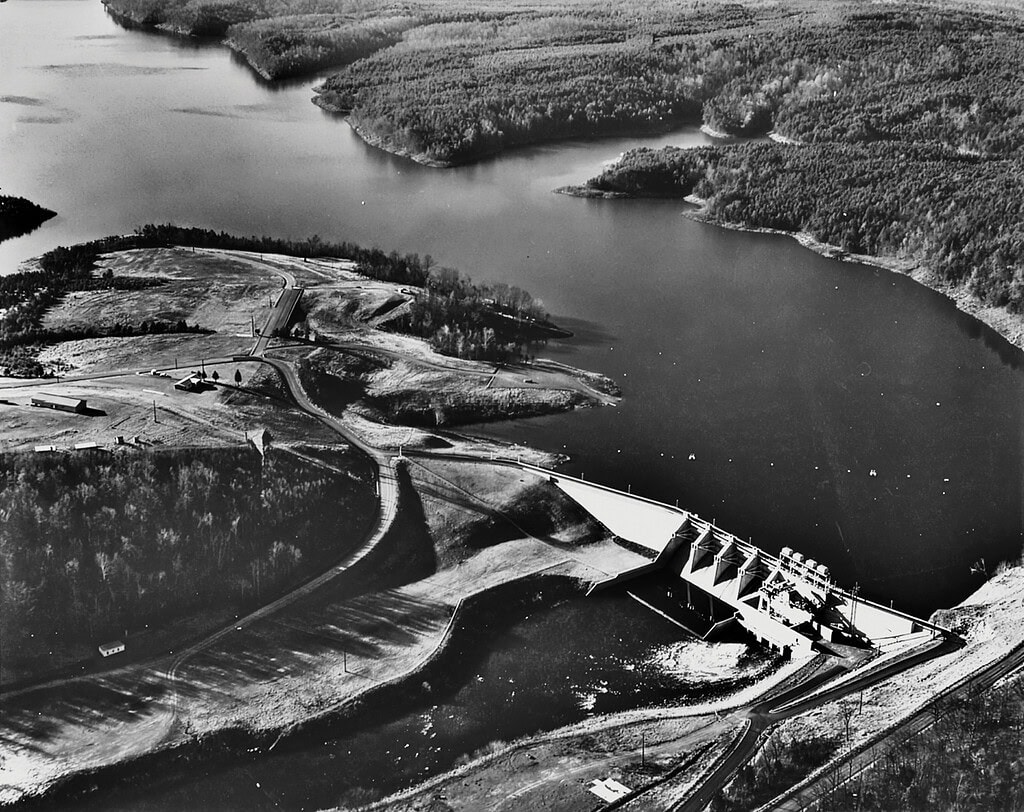
Leesville Lake plays a critical supporting role. It receives water released from SML, supplies water for pumping cycles and helps regulate river flow downstream. Because water moves back and forth between the two lakes, the system is efficient and tightly controlled.
This design also allows operators to manage water levels carefully, which brings us to some of the most common topics around the lake.
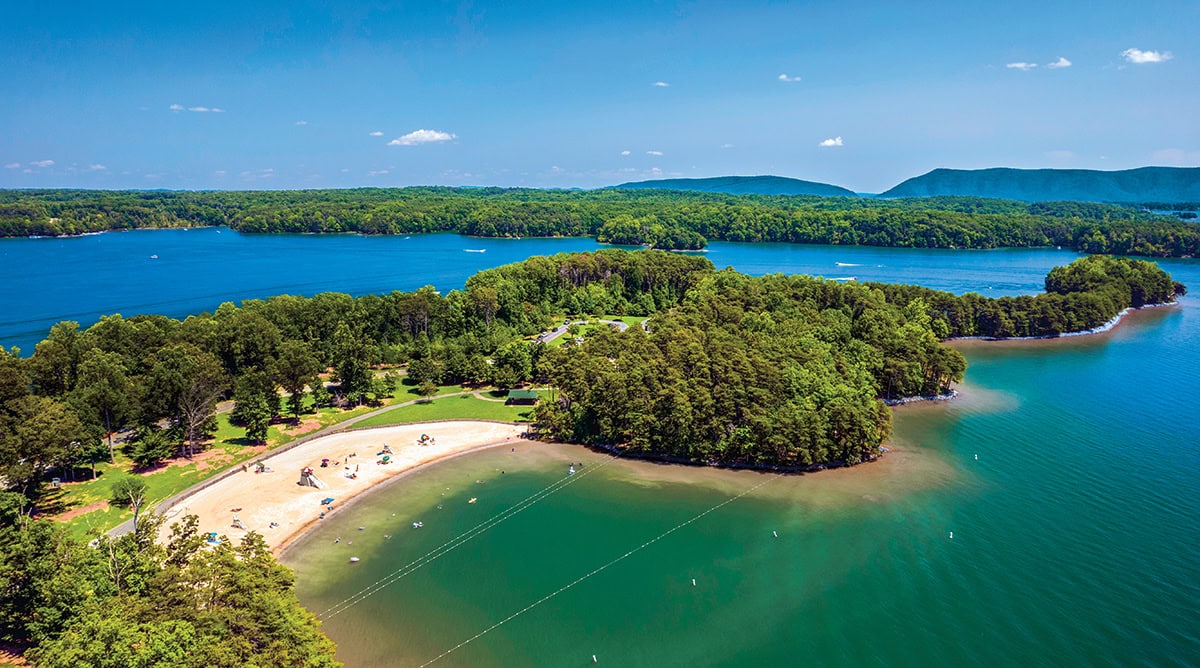
Lake levels at Smith Mountain Lake are not random. They are the result of planned operations, seasonal management and weather conditions.
If you’ve ever looked out and noticed the water level seems lower than expected, there are several likely reasons.
First, the lake is part of an active power-generation system. Water is released to generate electricity and later pumped back during low-demand periods.
Second, seasonal drawdowns are intentional. Appalachian Power typically lowers the lake slightly during winter months to create storage capacity for spring rains and snowmelt. This helps reduce flood risk and protect downstream communities.
Extended dry weather can also slow how quickly the lake refills, making lower levels more noticeable in coves and shallow areas.
SML is designed to help prevent flooding, not cause it.
The Smith Mountain Project allows operators to manage large inflows of water during heavy rain events by controlling releases between SML and Leesville Lake. While water levels may rise temporarily during extreme weather, true flooding of the lake itself is rare.
In fact, regulated lake levels are one of the reasons communities downstream of the Roanoke River benefit from the project.
Yes. Lake levels are monitored and managed continuously. Operators consider electricity demand, inflows from rivers, weather forecasts and environmental requirements when making daily decisions.
That’s why the lake can rise or fall even when conditions seem calm.
Smith Mountain Lake’s normal full pond elevation is 795 feet above sea level. Variations of a foot or two are common and do not indicate a problem.
Lower winter water levels are planned. Creating extra storage space ahead of spring runoff helps protect the system and downstream areas. As rainfall increases, the lake typically refills.
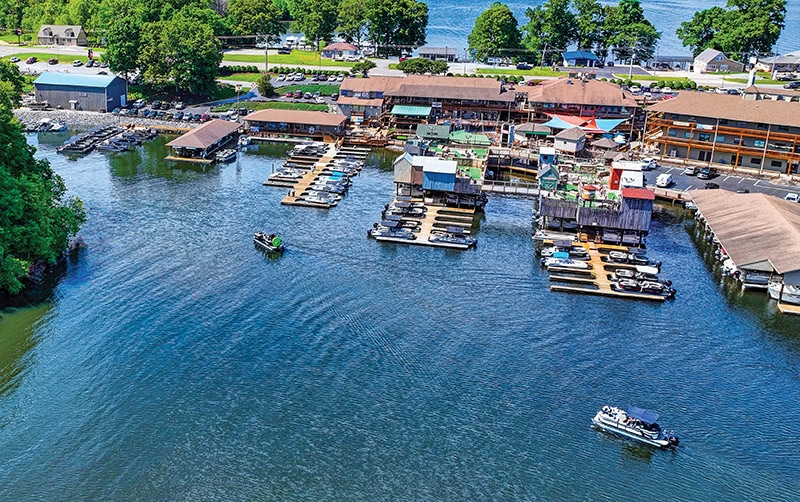
Generally, no. While changing water levels can affect docks or boat ramps at times, the Smith Mountain Project is designed to balance power needs, environmental protection and recreation. Most recreational activities continue year-round.
Smith Mountain Lake levels are actively managed and can change based on power generation needs, weather conditions and seasonal operations.
For current lake levels, forecasts and official updates, visit Appalachian Power’s Smith Mountain Project page.
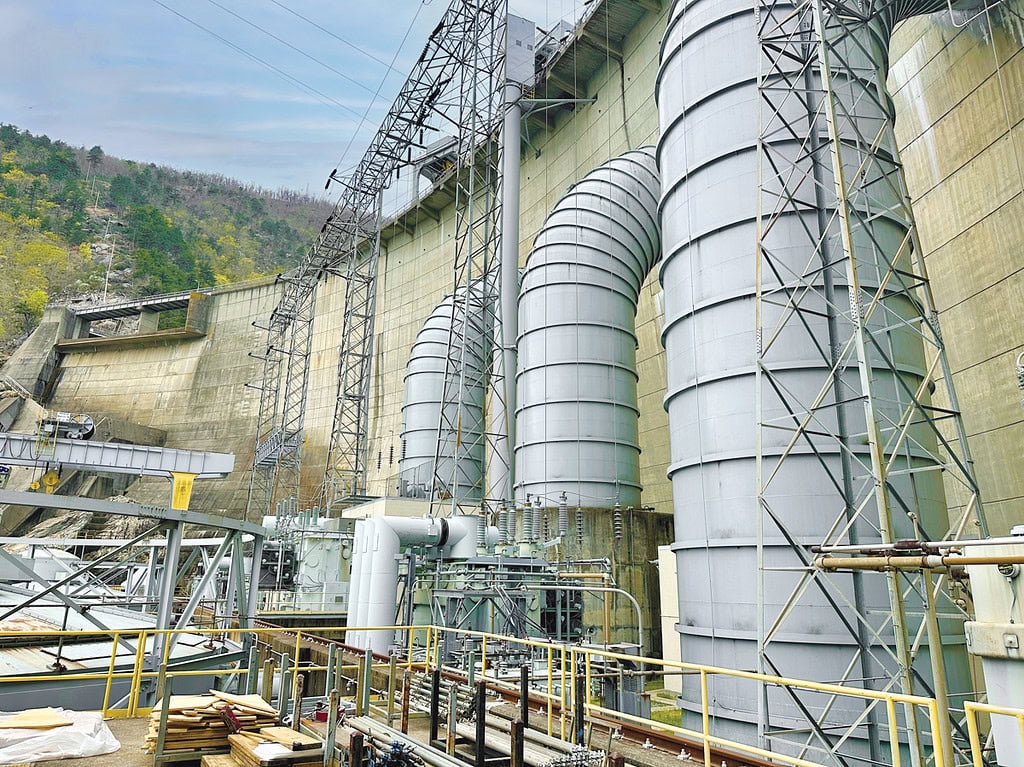
Source: Appalachian Power, smithmtn.com

Overlooking the iconic Smith Mountain Dam, the Vipperman Visitors Center is one of the most meaningful places to connect with the lake’s story.
Free and open to the public, the center features engaging exhibits that explain the history of the dam and how power is generated through SML’s unique two-lake hydroelectric system.
Just below the dam, a public picnic area offers a quiet place to relax and take in the views.
Whether you’re a longtime resident or visiting for the first time, it’s a meaningful way to reflect on how the lake came to be and the role it continues to play in our region.
Tours inside the dam are not available at this time; visit smithmtn.com or call 540-985-2587 for current hours of operation for the visitor center.
Get directions to the Smith Mountain Dam / Vipperman Visitors Center.

You may also enjoy: How to use Smith Mountain Lake Channel Markers
This article is part of SML Insiders’ ongoing coverage of the history, infrastructure and stewardship of Smith Mountain Lake. For more, explore our Smith Mountain Lake History hub, including links to documentaries, interviews and recommended reading.

CO-PUBLISHER & EDITOR
Andie has been covering Smith Mountain Lake since 2000 for a variety of publications, including the SML Visitor and Newcomer Guide, SML HOME Magazine, The Roanoker and Life Outside. As a partner in G&C Ventures, LLC, she oversees all content for our suite of websites, including Smith-Mountain-Lake.com and LakeLubbers.com.