This page may contain affiliate links. If you click and purchase, we may earn a small commission at no extra cost to you. Read our full disclosure policy.
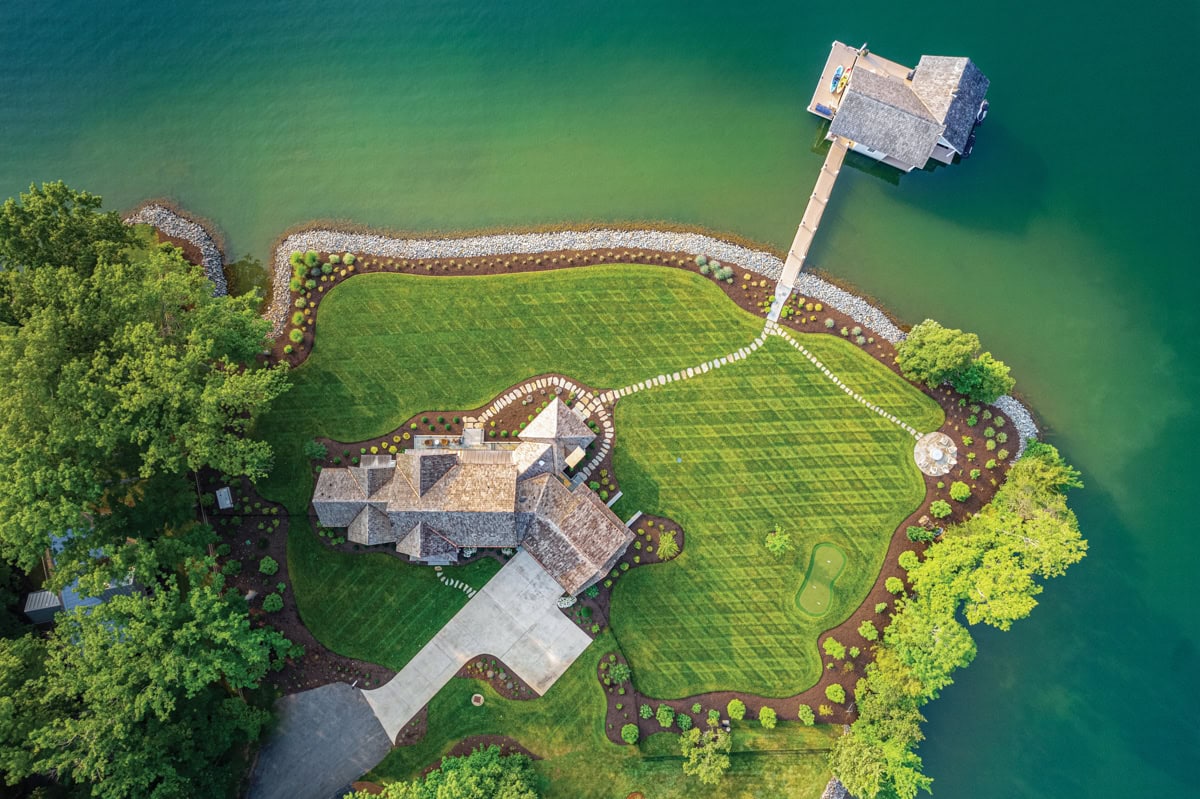
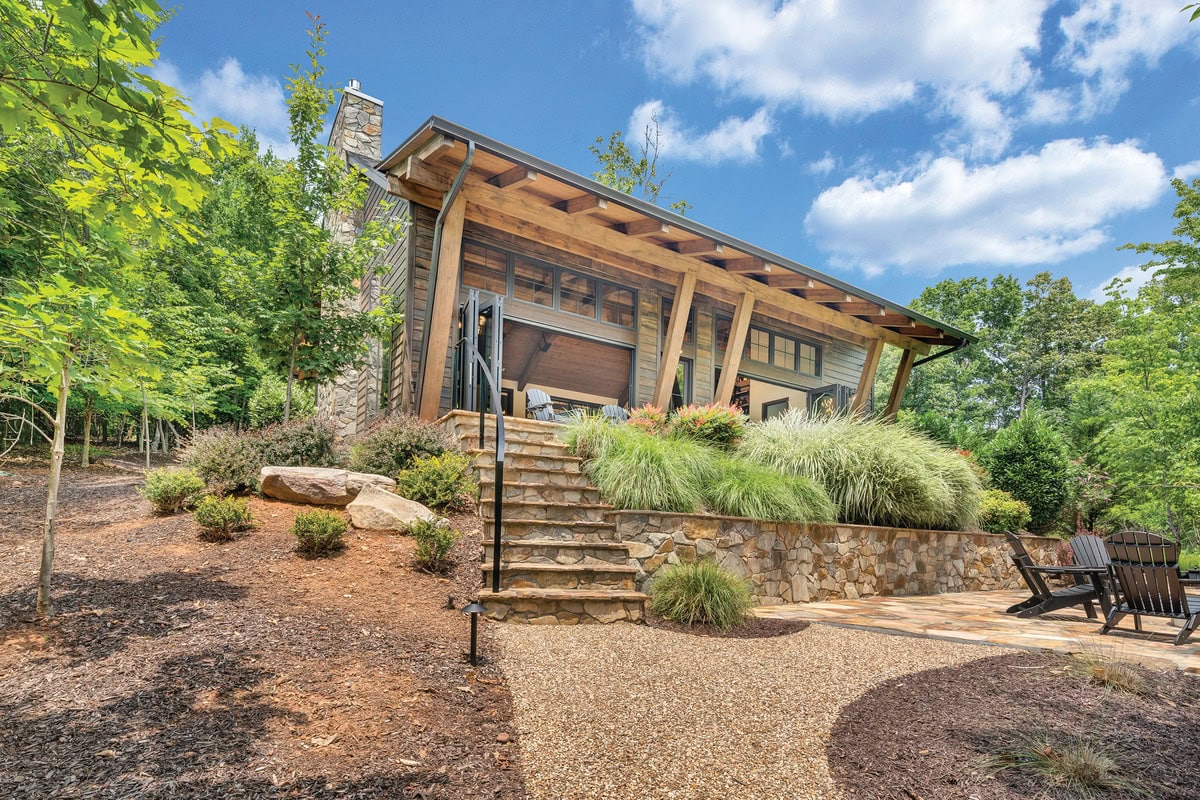
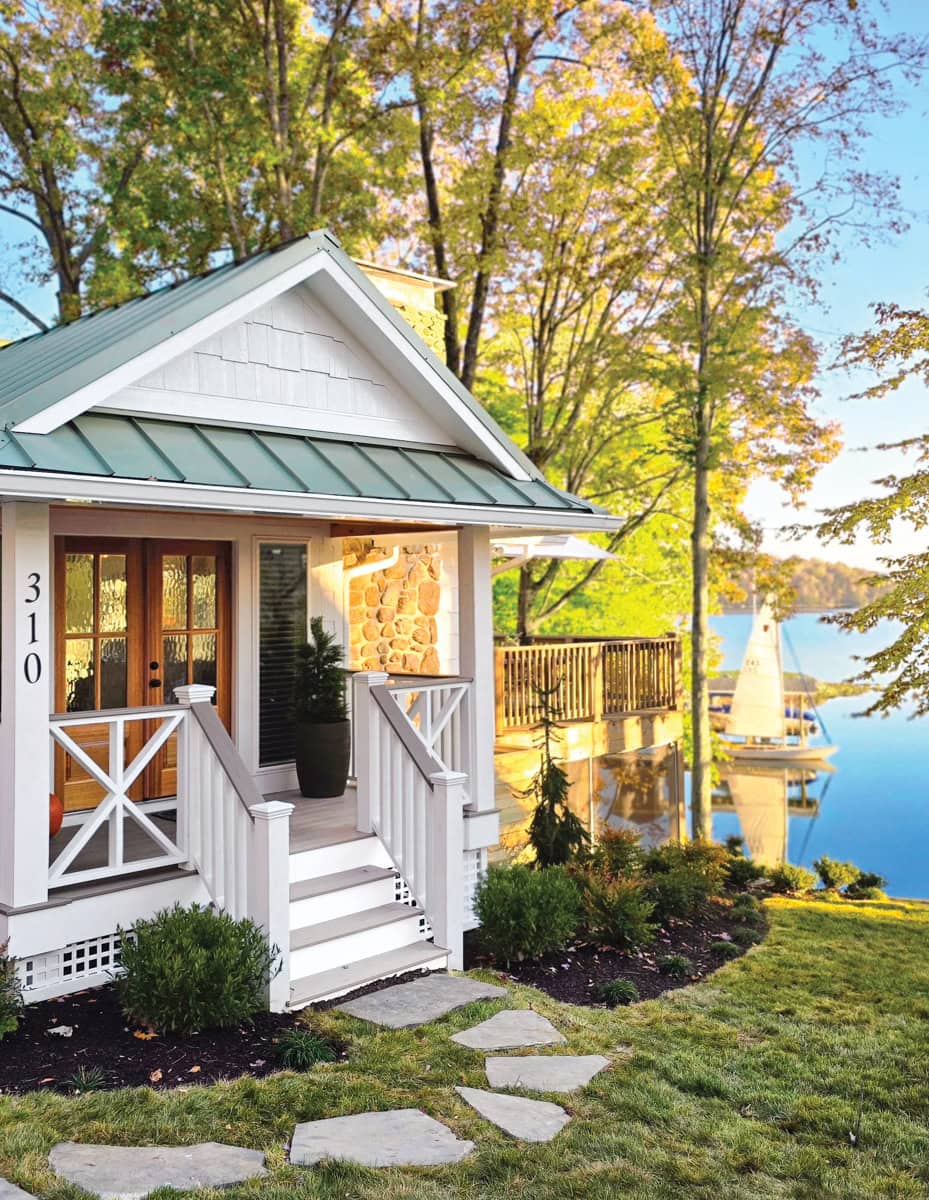
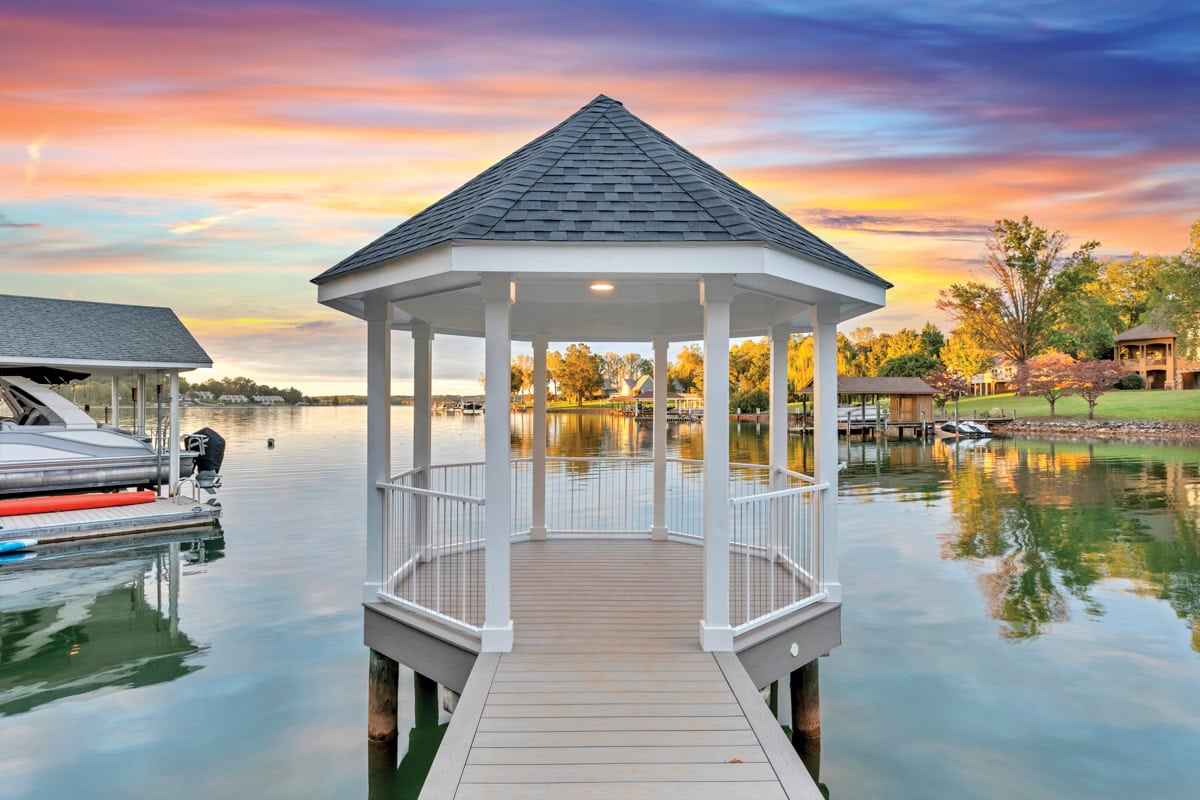
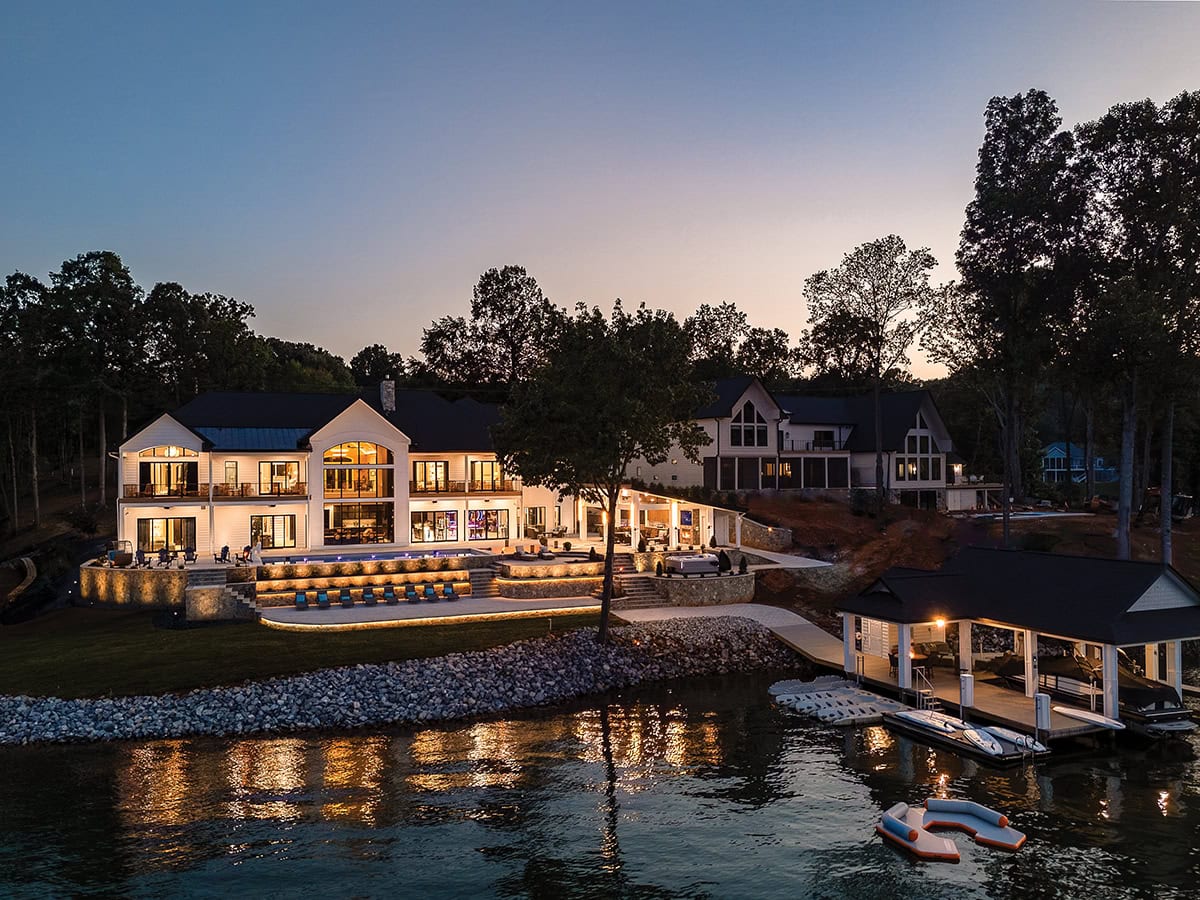
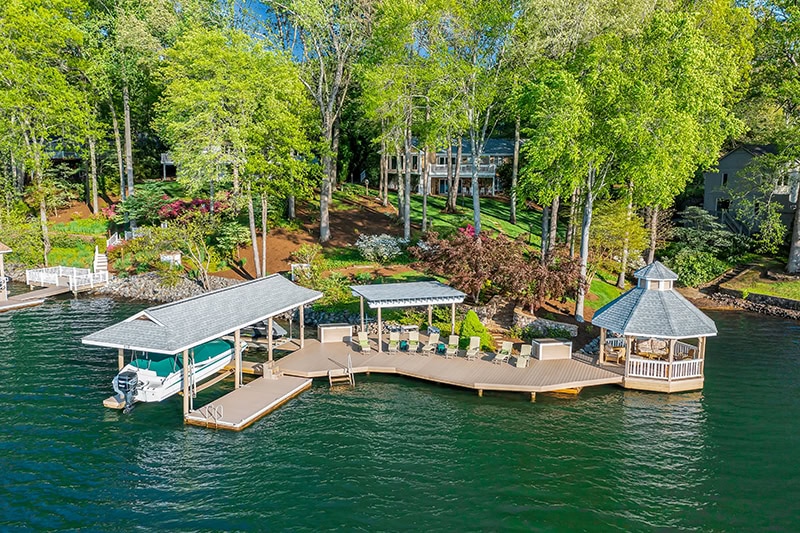
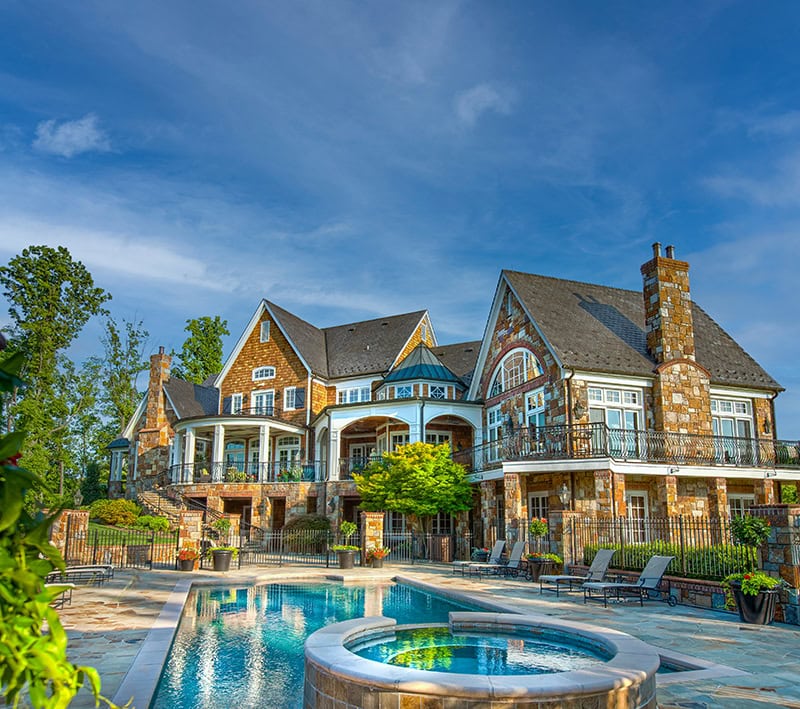
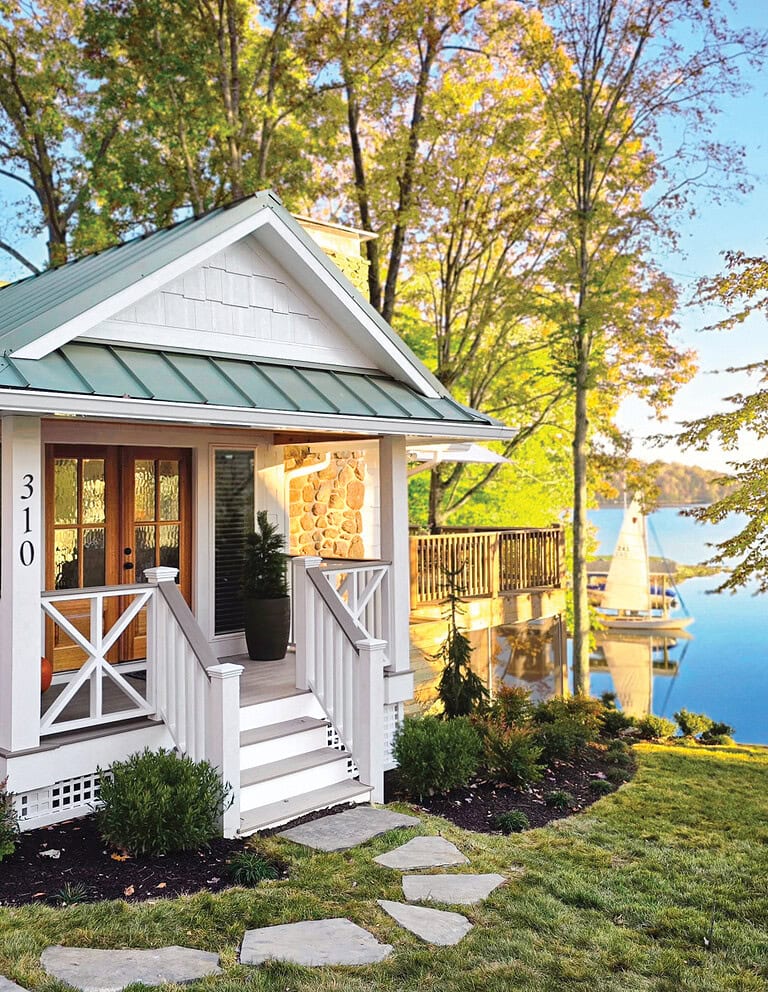
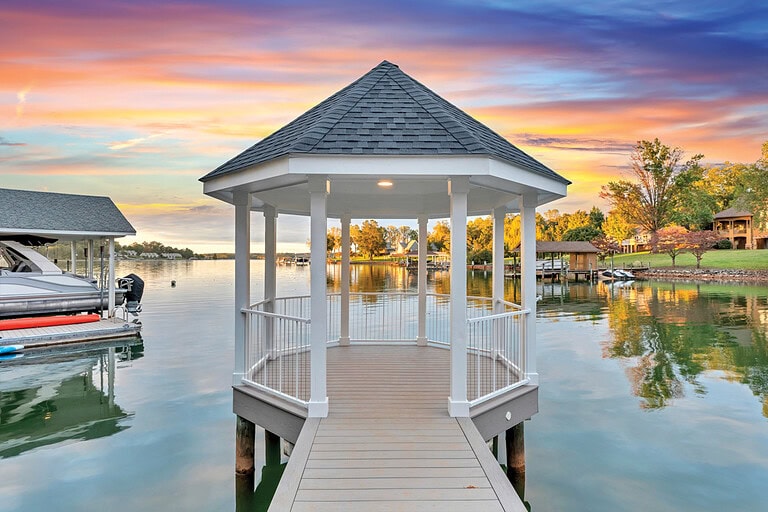
At Smith Mountain Lake, days often begin with a quiet sunrise over the mountains and wind down beside a fire pit under a canopy of stars. The property of Roy and Irma Barrington in Union Hall reflects that natural rhythm of lake life — graceful, relaxed and deeply connected to its surroundings.
With the guidance of the expert designers and installers at Southern Landscape Group, a once-untamed stretch of shoreline was transformed into a welcoming retreat where natural beauty and outdoor living go hand in hand.

In the conversation that follows, Southern Landscapes account manager Meghan Wann, who oversees the property’s ongoing care, shares how thoughtful design, native plantings and a deep appreciation for the lake came together to create a landscape meant to be enjoyed one day at a time.

Q: When Southern Landscape experts first visited the Barrington property, what immediately stood out about the site and its potential?
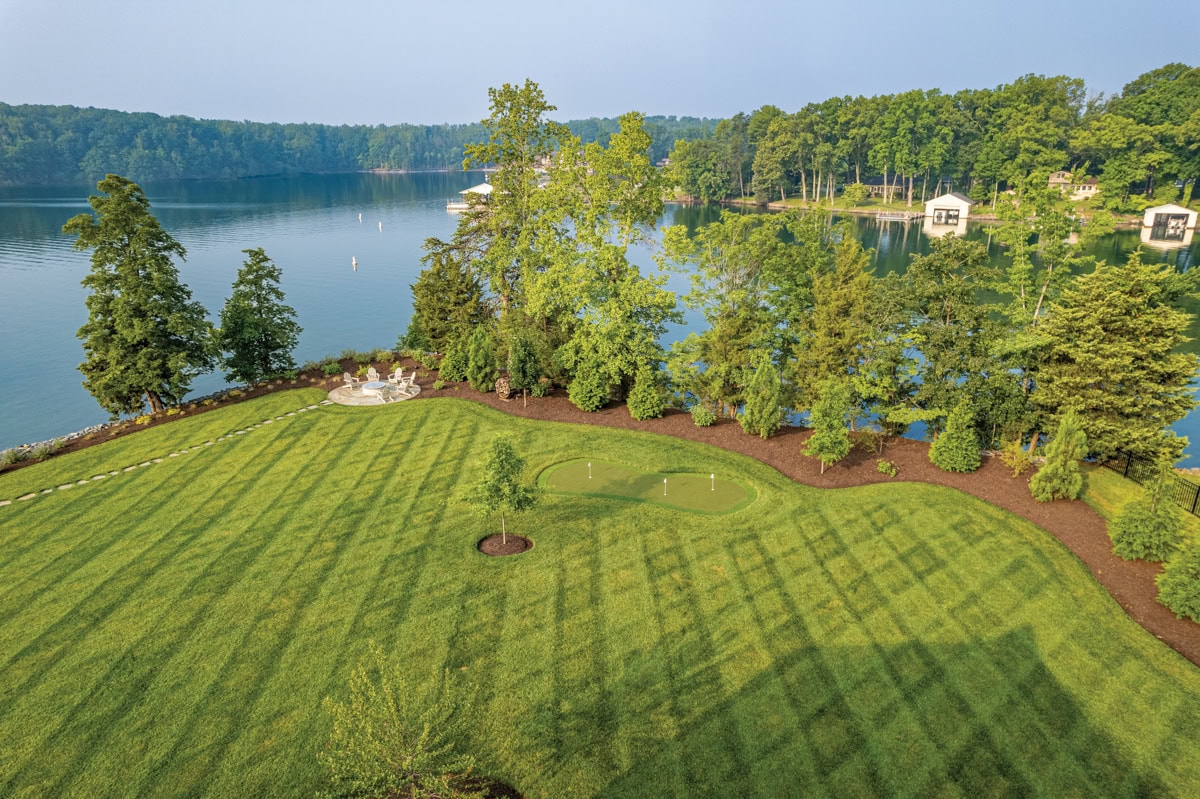
A: Wann: This property was a landscaping palate that offered the rare combination of scale and setting. With a long sweeping shoreline and gentle elevation changes, it enabled the creation of multiple inviting outdoor spaces. The home itself is well-positioned on the site, leaving room for the landscape to unfold naturally toward the water and the mature tree backdrop, providing a sense of enclosure without feeling crowded. From a design-build perspective, it was clear this wasn’t just a shoreline project; it was an opportunity to choreograph ambling engagement, views and memories made across a large cohesive landscape.
Q: What was the homeowners’ overall vision for the landscape and how did that shape the design from the beginning?
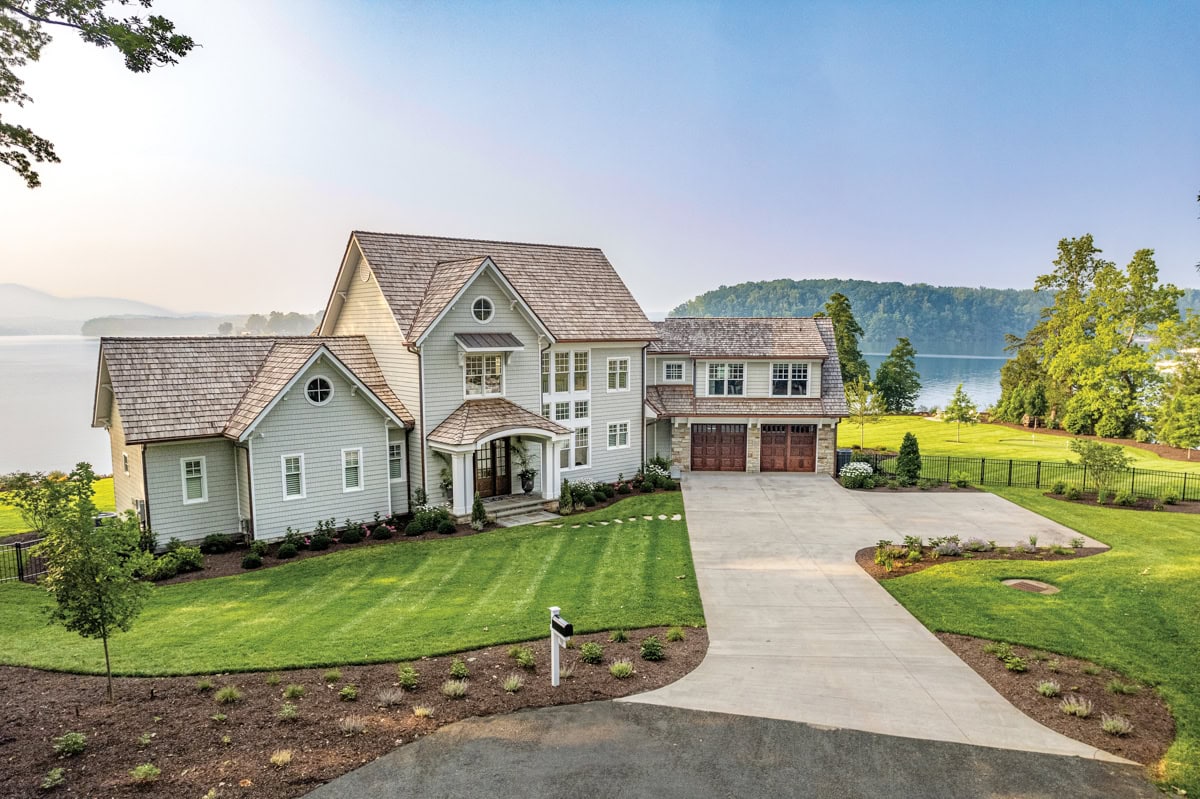
A: Wann: The homeowners wanted the property to feel finished but not formal or overdesigned. They envisioned a landscape that supported how they actually live at the lake — relaxed gatherings, quiet mornings by the water and spaces that invite you to wander. That vision shaped early design decisions like using broad lawn panels to create subtle transitions between house, landscape features and shoreline.
“From the very beginning, the vision for this lakeside property was clear: a space where breathtaking views, effortless entertaining and low‑maintenance living could seamlessly coexist.”
-Roy & Irma Barrington, Homeowners
Q: With such an extensive shoreline, what were the biggest challenges (both visually and environmentally) and how did your team address them?
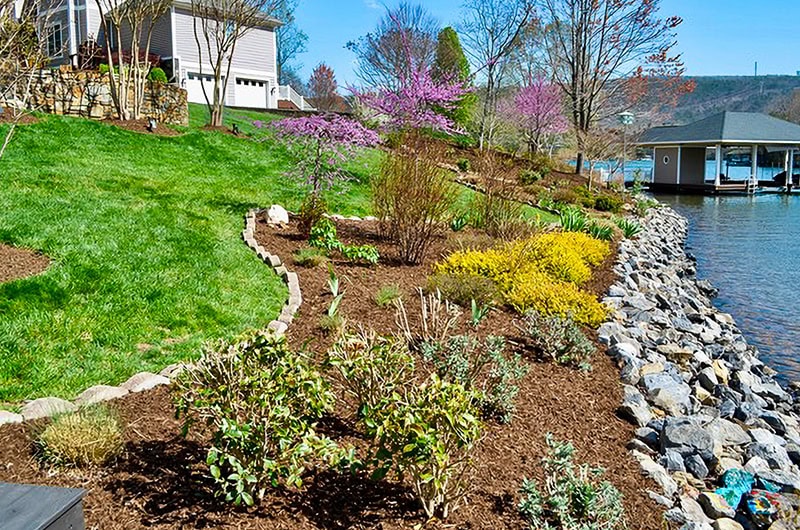
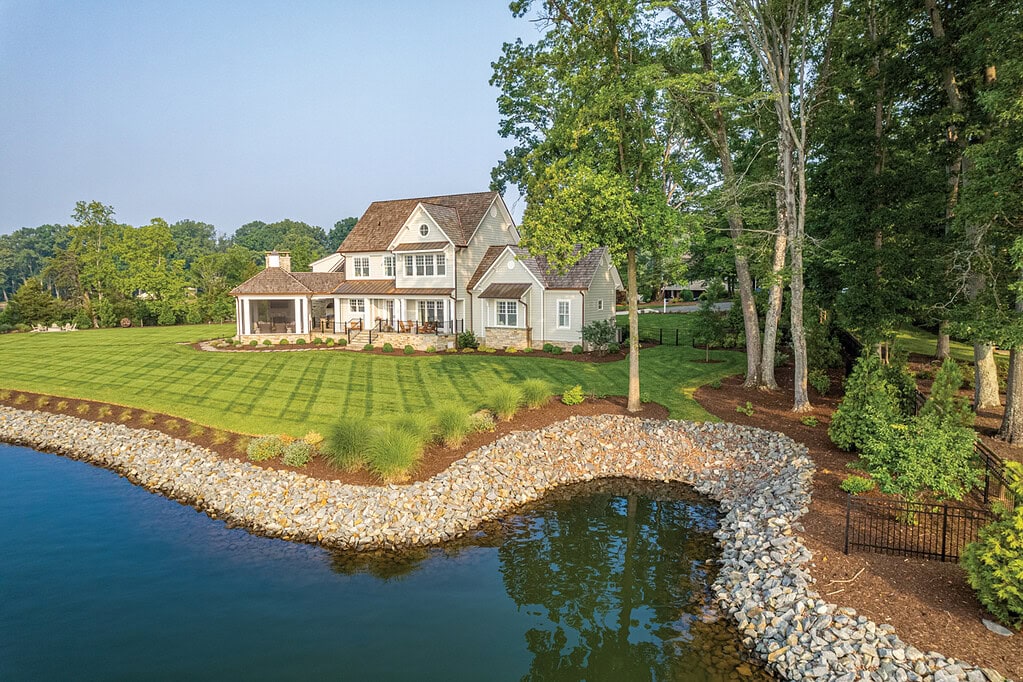
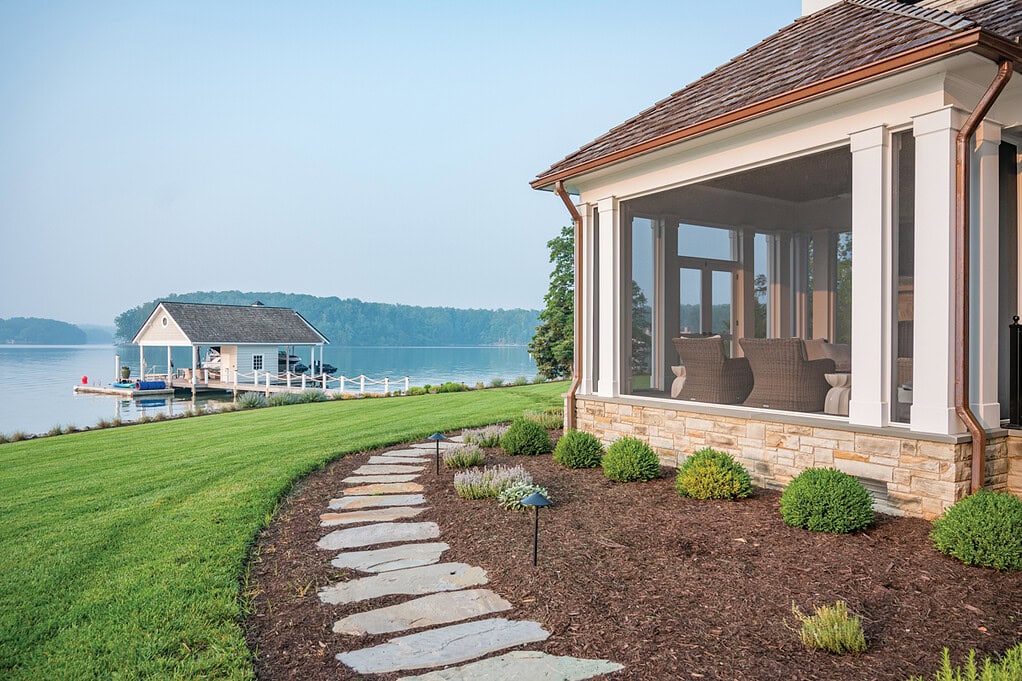
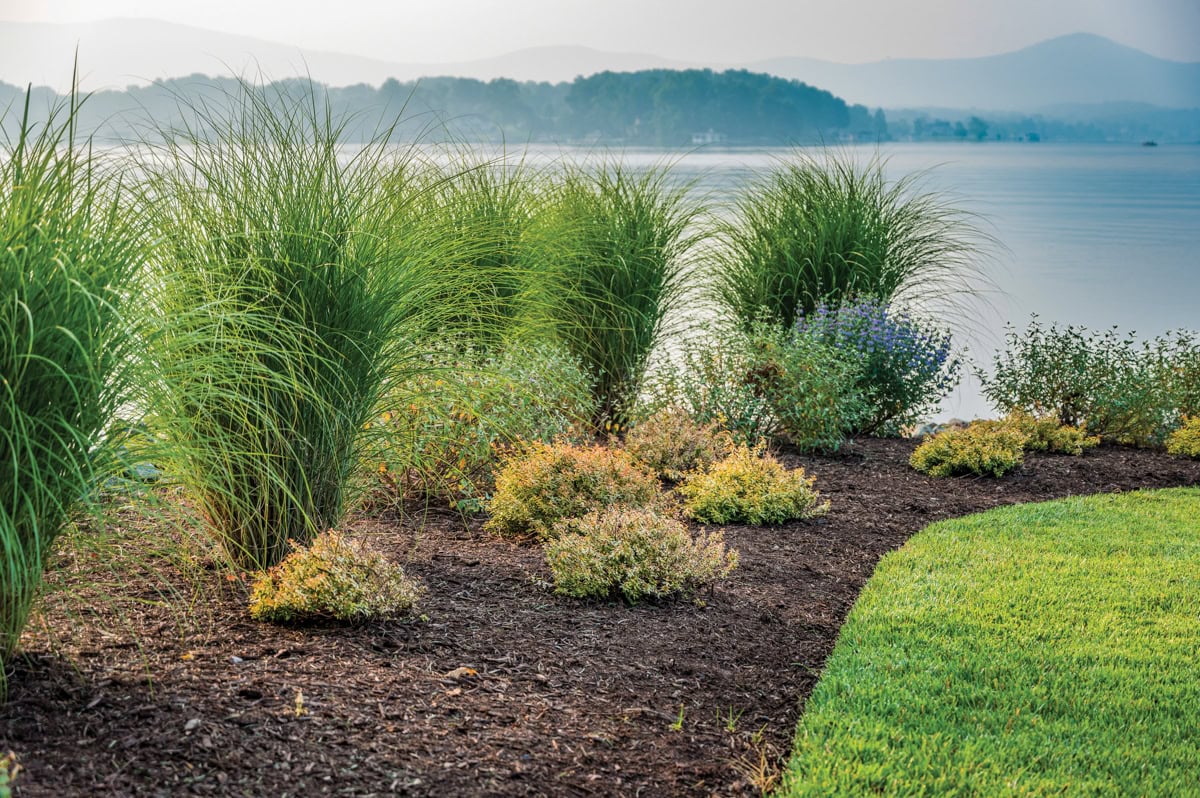
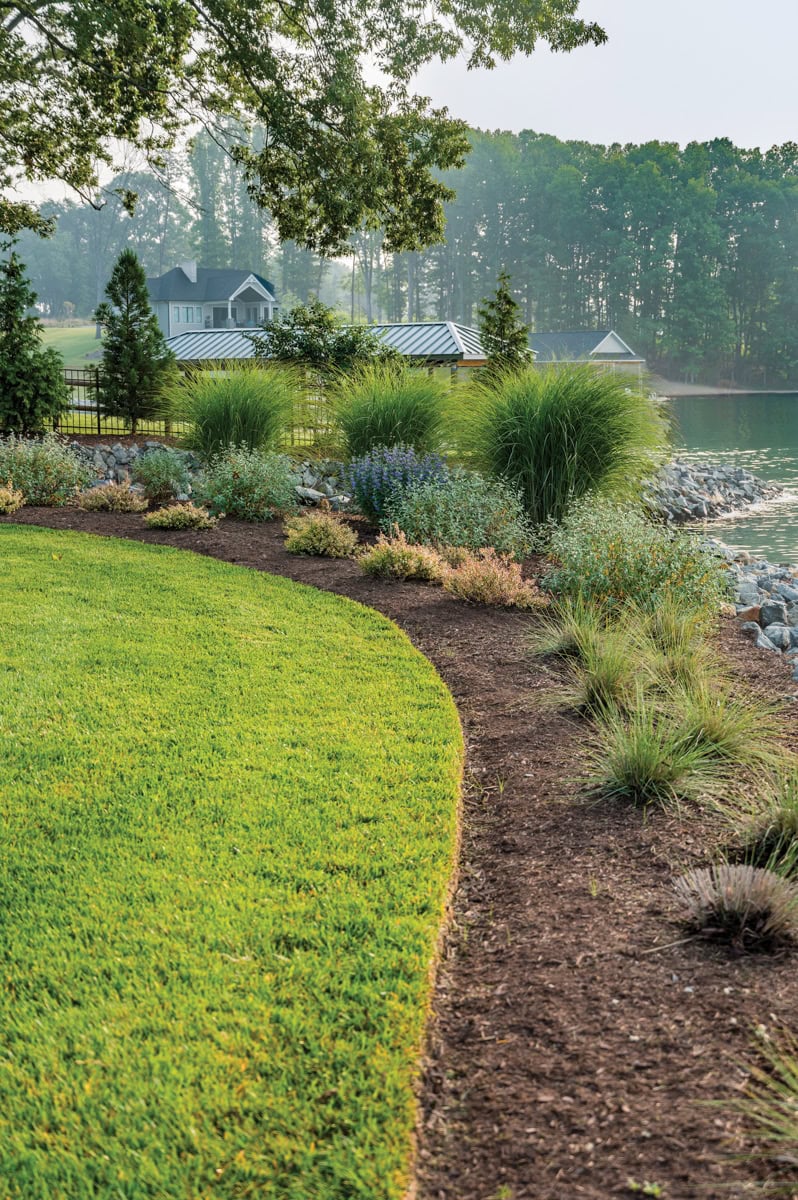
A: Wann: The length of the shoreline was both an asset and a challenge. Visually, long stretches can feel monotonous if treated too uniformly, while environmentally, shoreline stability becomes critical. We addressed this by breaking the shoreline into zones — some more open, some softly planted with pink muhly grass and some defined by stone — so the experience changes as you walk along. Another challenge was ensuring durability without creating a hard, engineered look. That required careful detailing in materials, grading and plant placement that created resilience with a natural appearance.
Q: What lake buffer landscaping strategies were used to help with erosion control while still preserving views and access?
A: Wann: Rip-rap stone stabilization provides long-term erosion protection, while gently sloped planting beds slow runoff and absorb water before it reaches the lake. Plantings were kept low and strategically spaced in key view corridors, allowing clear sightlines. This approach makes the shoreline feel open and inviting while still controlling runoff.
Q: Were native plants a priority, and how did plant selection support long-term shoreline health?
A: Wann: Native and well-adapted plants were an absolute priority, especially along the shoreline and transitional zones. These plants are better suited to fluctuating moisture levels and provide stronger root systems to help stabilize soil. Using plants that thrive naturally in this environment ensures the landscape matures gracefully.
Q: Tell us about the plant palette used along the shoreline versus other areas of the property?
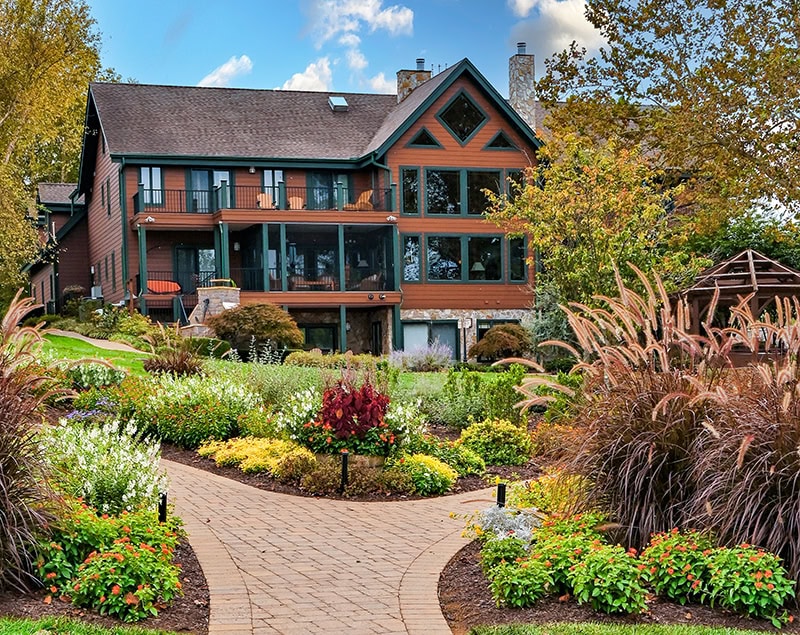
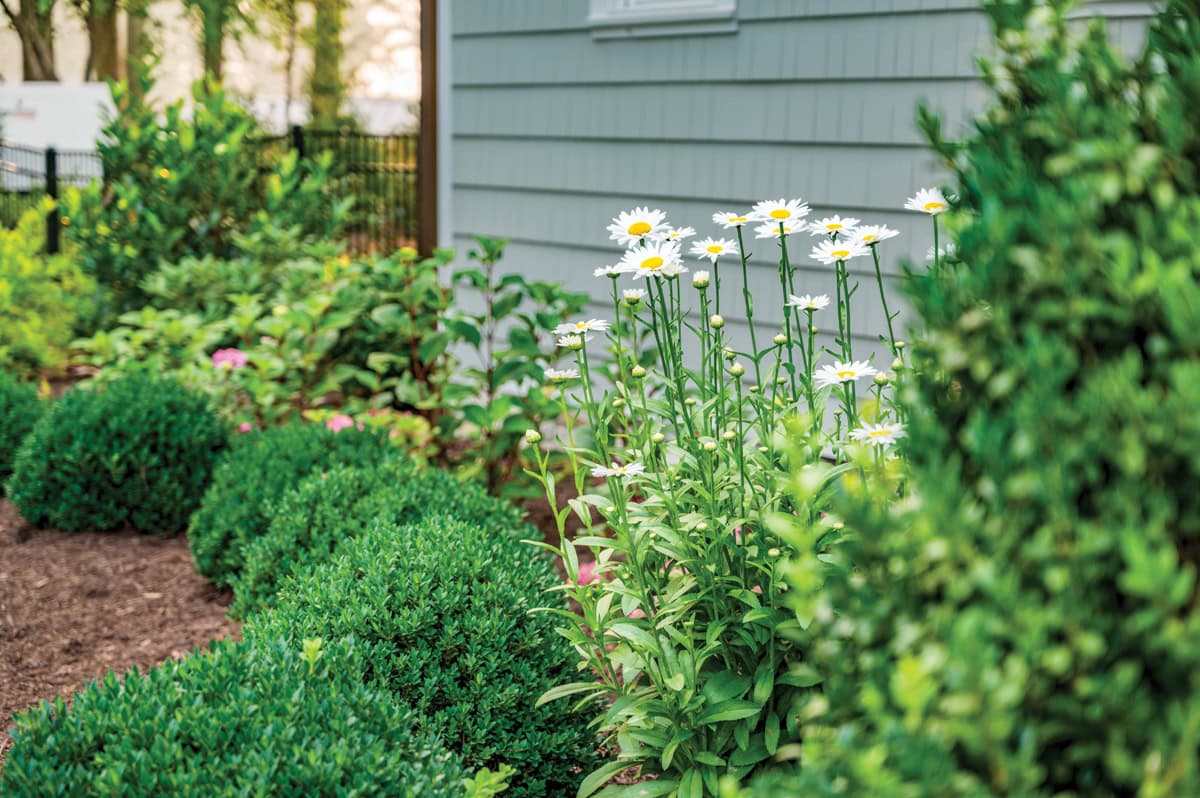
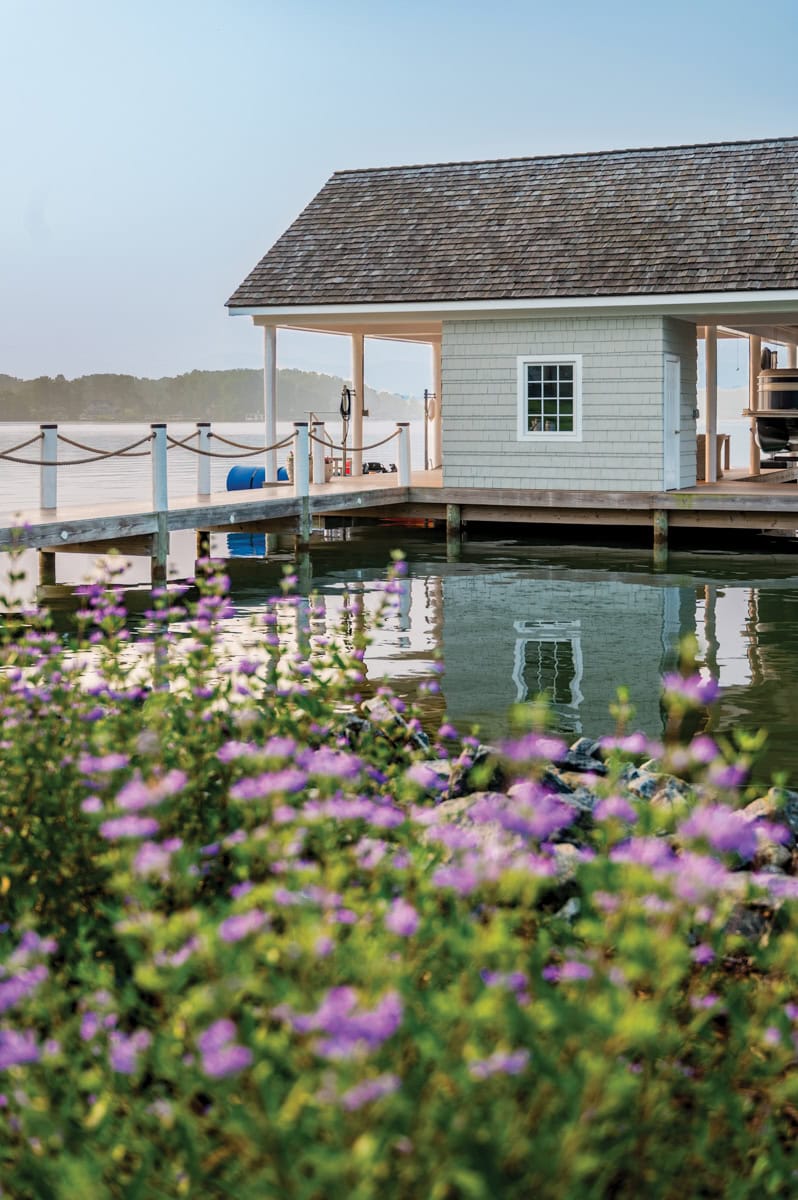
A: Wann: The shoreline palette leans toward natural and resilient, with plants chosen for their tolerance to moisture, wind and sun exposure as well as their ability to knit the landscape together with the lake’s edge. A variety of grasses are selectively anchored by Spirea, Abelia, Catmint, Amsonia for added texture and color. Near the home, the plantings become more structured and layered, with evergreen anchors, ornamental shrubs and perennials that add seasonal interest and visual order. This transition helps the property feel grounded at the water while more refined near the living spaces.
Q: Were steps taken to minimize landscape damage from deer?
A: Wann: The back of the property is fenced, so deer access is discouraged. While no landscape can be entirely deer-proof, we selected Catmint and Shasta Daisies which are not so appealing to deer plus boxwood and Viburnum, which are in the “rarely damaged” category. In areas close to the home, structure and density also help deter grazing. Ongoing maintenance allows for adjustments as deer feeding patterns evolve over time.
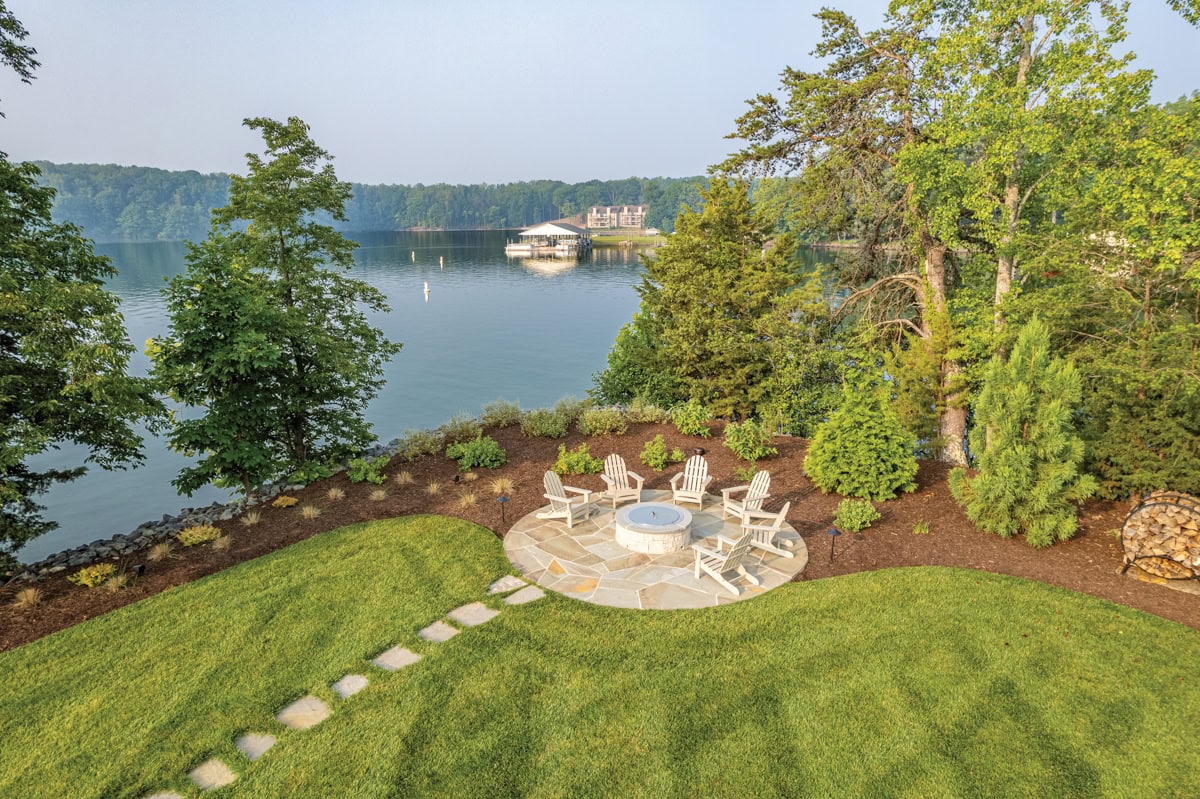
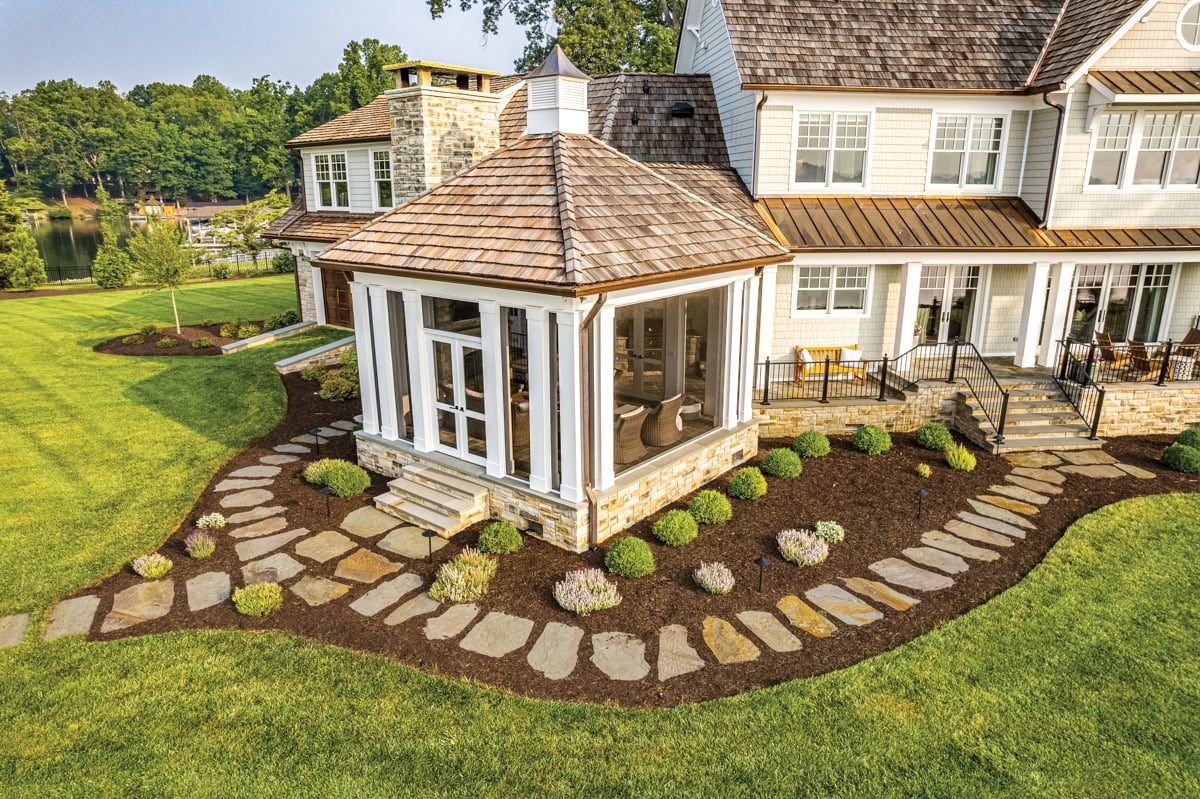
Q: Over 100 large stepping stones are used throughout the property to form walkways and accents. What role did natural stone play in tying the entire landscape together?
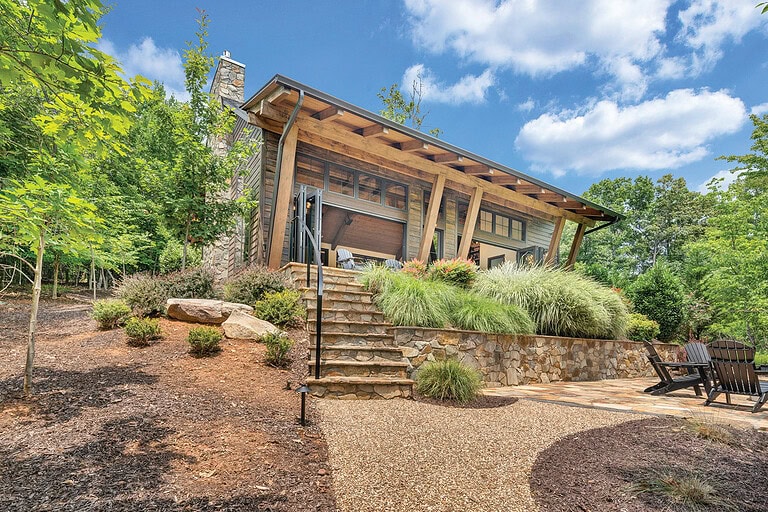
A: Wann: Natural stone became a unifying element across the site. It connects the architecture to the landscape, echoes the stone used along the shoreline and provides a connection between front yard and lake’s edge. The irregular shapes and textures help pathways feel organic and grounded, reinforcing the idea that the landscaping belongs to the site versus having been imposed on it.
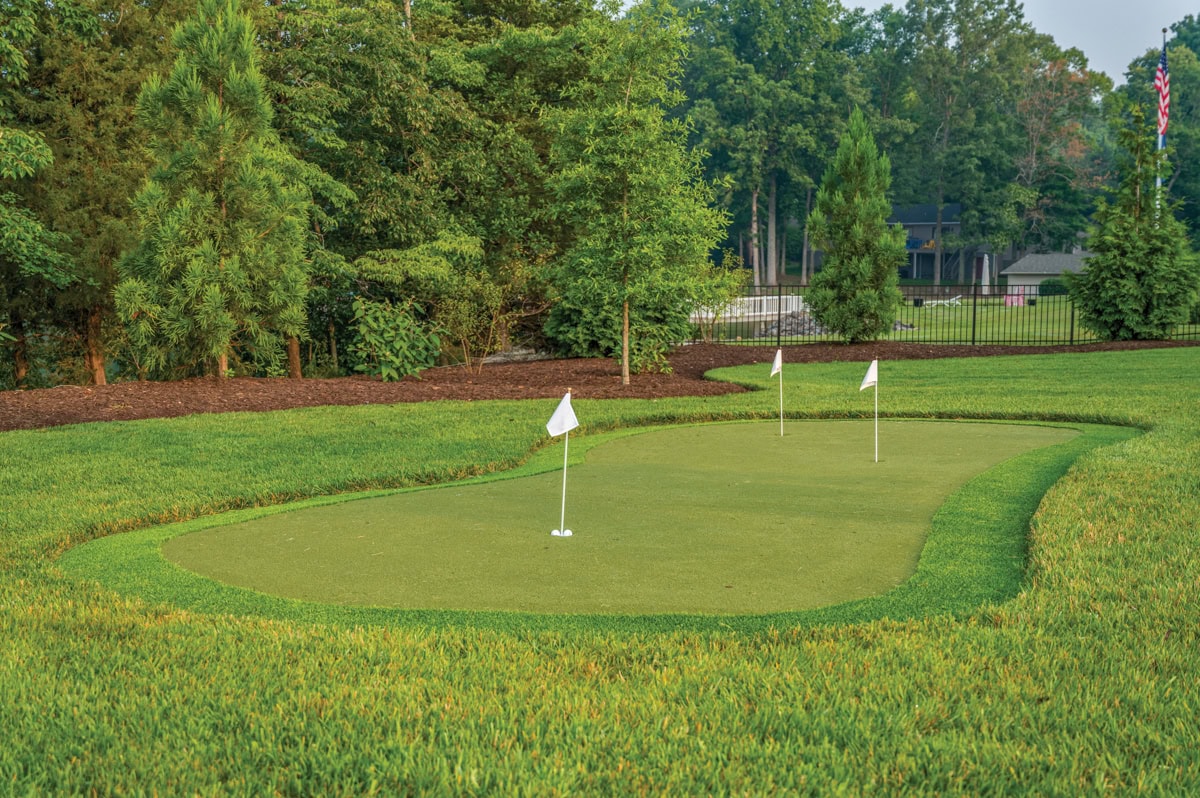
Q: Is the three-hole putting green artificial turf? And how was it integrated to blend seamlessly with the surrounding grass and plantings?
A: Wann: Yes, the putting green is artificial turf, selected for consistent performance and minimal maintenance. It’s installed over layers of stone that form a solid underground base. Important here is the detailing around it — gentle contours, clean transitions to natural turf and surrounding plantings that soften the edges and make it seem like a natural part of the lawn.
”Now that the project is complete, the property has transformed into a collection of inviting destinations. The firepit, walkways, lakeside areas, and expansive greenspace each offer their own charm—but the putting green has become a standout favorite, delighting golfers of all ages.”
-Roy & Irma Barrington, Homeowners
Q: What considerations were made for long-term maintenance and how does ongoing care help landscaping thrive over time?
A: Wann: Longevity was built into the Barringtons’ landscaping through thoughtful plant selection, durable materials and smart grading for drainage. Ongoing care plays a crucial role by preserving plant health, maintaining clean edges and adjusting the landscape as it matures. A property of this scale evolves over time, and attentive professional maintenance ensures that it continues to look good year after year.
Q: How did the front-of-home landscaping differ from the lake-facing areas in terms of style, plant selection and function?
A: Wann: The landscaping there is more structured and architectural, designed to frame the house, guide arrival and provide year-round curb appeal. Plant selections emphasize form, repetition and evergreen presence. In contrast, the lake-facing areas loosen up, with broader lawn panels, softer planting compositions and an emphasis on views and casual outdoor living.
Find out more about Southern Landscape Group.

GUEST AUTHORS
Jerry and Ferne Hale have been writing about life at Smith Mountain Lake for more than 20 years, contributing to a wide range of local publications. Longtime residents and avid boaters, they are active in the community through the Smith Mountain Arts Council, the SML Charity Home Tour, Lake Christian Ministries and Trinity Ecumenical Parish.