40 Years of Water Quality Monitoring at Smith Mountain Lake
This page may contain affiliate links. If you click and purchase, we may earn a small commission at no extra cost to you. Read our full disclosure policy.
How dedicated scientists, students and volunteers have worked together to keep SML clean, healthy and thriving.
In 2026, Smith Mountain Lake will celebrate two remarkable milestones—its 60th anniversary and the 40th year of the Smith Mountain Lake Water Quality Monitoring Program.
For decades, Ferrum College scientists, students and volunteers have partnered with the Smith Mountain Lake Association (SMLA) in a shared mission of science, stewardship and community dedication to keep the lake clean, clear and healthy for generations to come.
Ferrum College launched the program in 1985 to study the impact of shoreline development on lake health. By 1986, it had evolved into the comprehensive, science-based initiative it is today, supported by faculty, lab managers, student technicians and local volunteers.
The program is funded through grants from Appalachian Power Company and the Virginia Department of Environmental Quality, as well as annual membership fees. Volunteers from the SMLA collect samples from more than 50 sites across the lake from mid-May through early August. Water quality data is shared with the public throughout the season on the SMLA website.
The Early Years: How Lake Science Took Root at SML
In the 1980s, Ferrum College was developing its environmental science program as Smith Mountain Lake faced increasing pressure from rapid growth. Funding from the Virginia Environmental Endowment allowed the college to assess how development was affecting water quality.
At the same time, SMLA President Jim Morse launched a volunteer effort to collect water clarity readings from 45 sites. In 1987, SMLA and Ferrum combined their work into a unified Water Quality Monitoring Program.
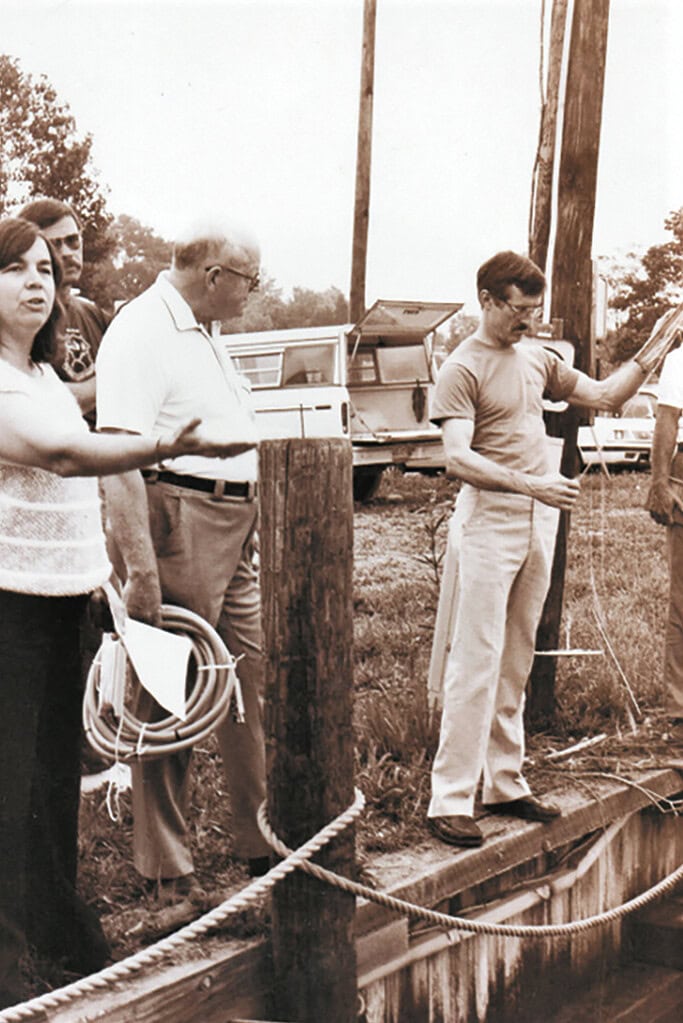
Originally, there were 39 “basic” stations measuring clarity and 33 “advanced” stations testing for phosphorus and chlorophyll. Today, the program includes 56 basic and 28 advanced sites.
In 1991, the Commonwealth of Virginia and SMLA began providing funding, and in 2003 Appalachian Power joined as a major supporter, helping ensure the program’s continued success.

A Growing Program with Expanding Impact
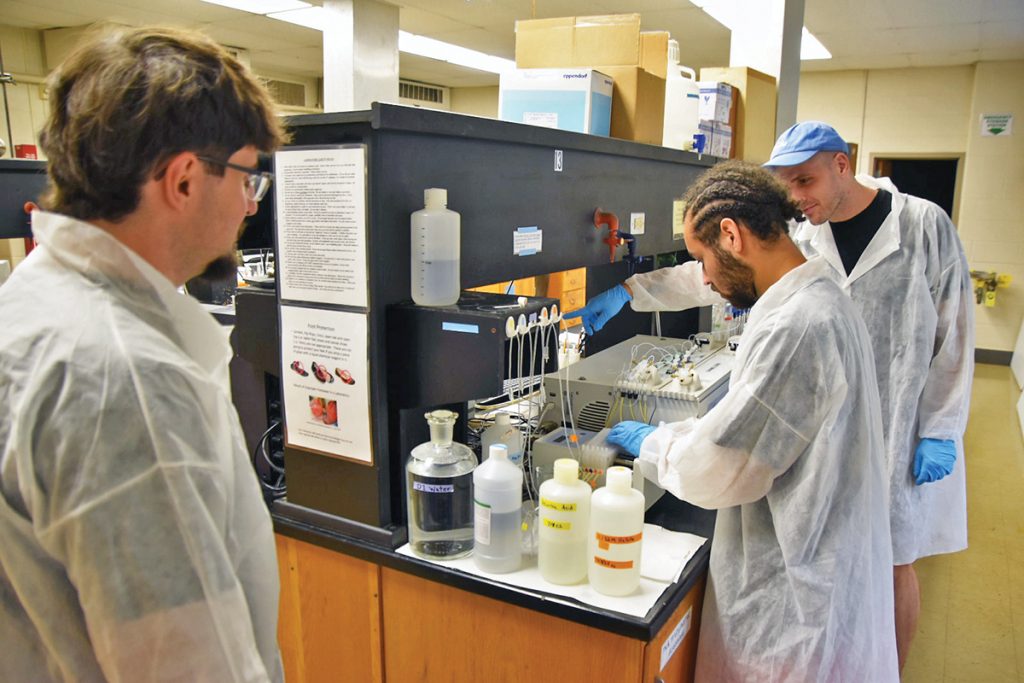
In 2005, Ferrum’s laboratory earned state certification to test for bacteria, chlorophyll and phosphorus, with results uploaded to the Virginia DEQ’s Citizen Science database. The program has grown to include more than 80 volunteers who collect water samples every other week during the summer, often using their own boats and fuel.
Ferrum expanded the program to include testing for bacteria such as E. coli and fecal coliforms, as well as sampling for plankton, which can indicate potential harmful algal blooms. The college also monitors phosphorus levels at 20 tributaries around the lake.
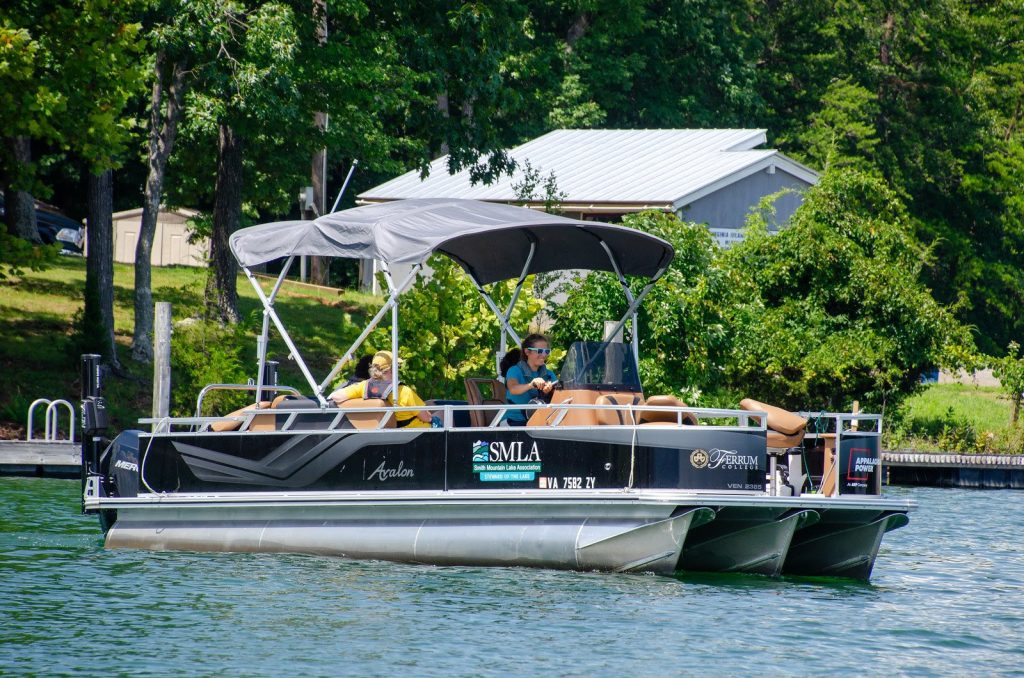
In 2023, the program upgraded to a modern pontoon research vessel funded by the American Electric Power Foundation, providing more room for equipment and scientists.
Milestones and Memories: A Look Back at 30 Years
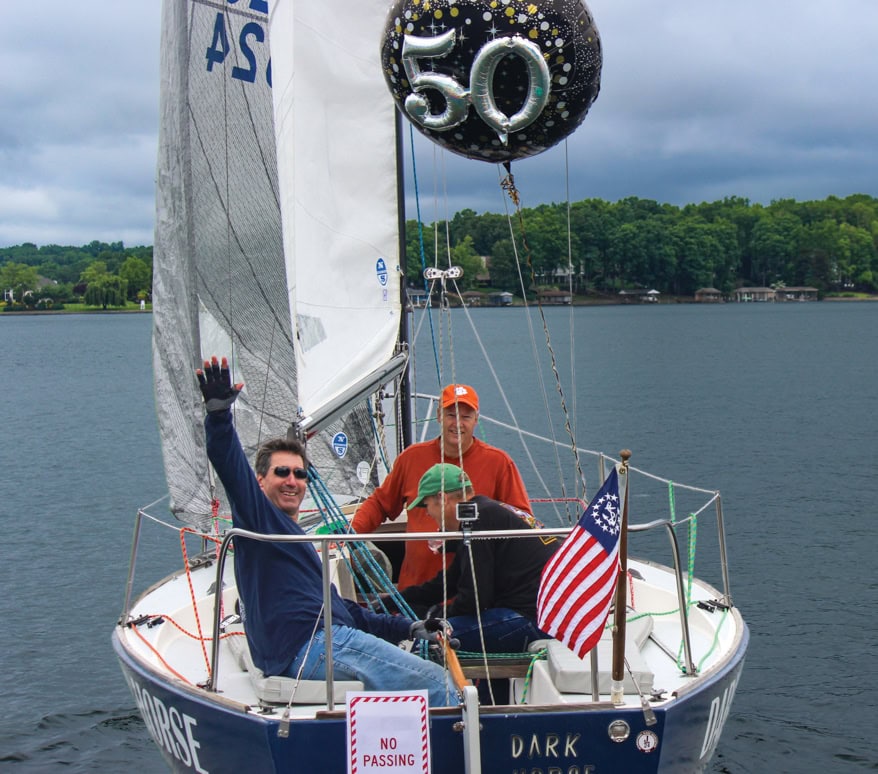
Just a decade ago, in 2016, the program marked its 30th anniversary in conjunction with Smith Mountain Lake’s 50th celebration. Elected officials, Appalachian Power representatives and SMLA volunteers gathered at Ferrum College to honor three decades of scientific achievement. Plans are already underway for an even bigger 40th-anniversary celebration in 2026.
The Next 40 Years of Water Stewardship
New technology continues to enhance the water quality program’s capabilities. In 2024, Ferrum added an ELISA reader—a laboratory instrument that detects and measures specific substances through chemical reactions—to detect cyanotoxins, the substances produced by algae that can cause harmful blooms. The college is pursuing additional state certification for this work.
Since 1985, more than 110 student technicians have gained hands-on experience through the program, many going on to careers in environmental science. One graduate, Nick Sink, now works with Appalachian Power supporting Smith Mountain Lake programs and credits his Ferrum training for his success.
A Legacy Worth Protecting
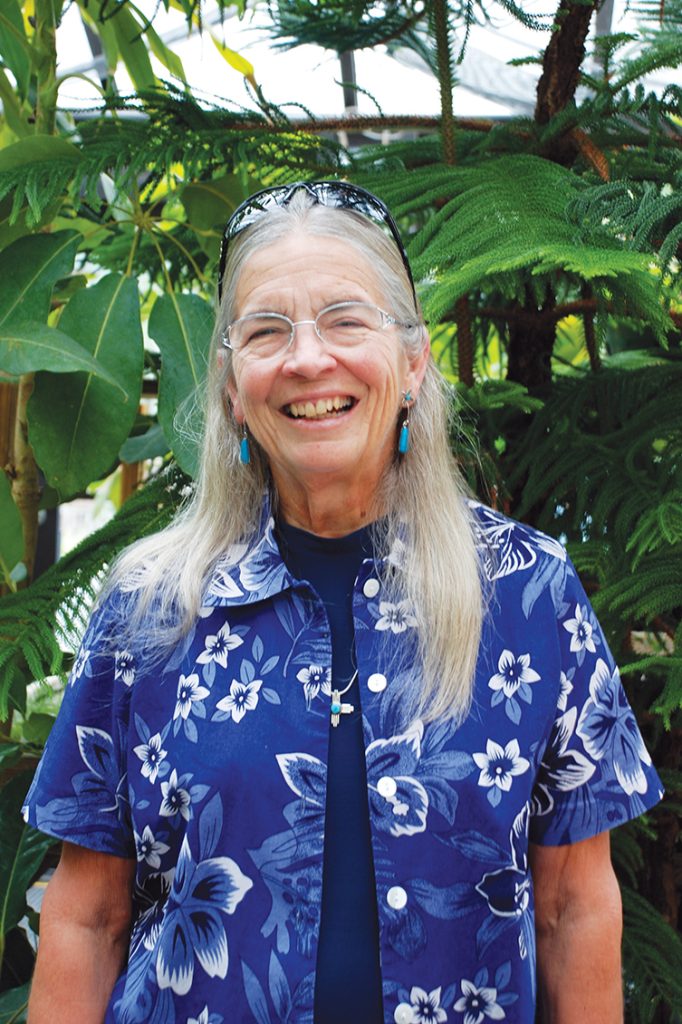
The program’s 40th anniversary also honors the visionaries who built its foundation. Among them are Dr. Carolyn Thomas, who helped launch the program in 1985 and guided it for decades, and Dr. David Johnson, who advanced the research alongside her.
Today, Ferrum’s program is led by co-directors Dr. Delia Heck and Dr. Clay Britton, with support from longtime faculty member Dr. Bob Pohlad and others.
Thanks to their leadership—and the dedication of volunteers and supporters—Smith Mountain Lake residents and visitors alike enjoy cleaner, healthier waters.
As the program approaches its 40th year, SMLA encourages the community to celebrate by joining, donating or volunteering to ensure the continued protection of Smith Mountain Lake’s waters for generations to come.
Keri Green
GUEST AUTHOR
Keri is an environmental consultant who chairs the Lake Quality Council for the Smith Mountain Lake Association. Reach her at [email protected].