Keeping Smith Mountain Lake Clean Starts in the Streams
This page may contain affiliate links. If you click and purchase, we may earn a small commission at no extra cost to you. Read our full disclosure policy.
The water flowing into Smith Mountain Lake tells an important story, and volunteers are helping write the next chapter.
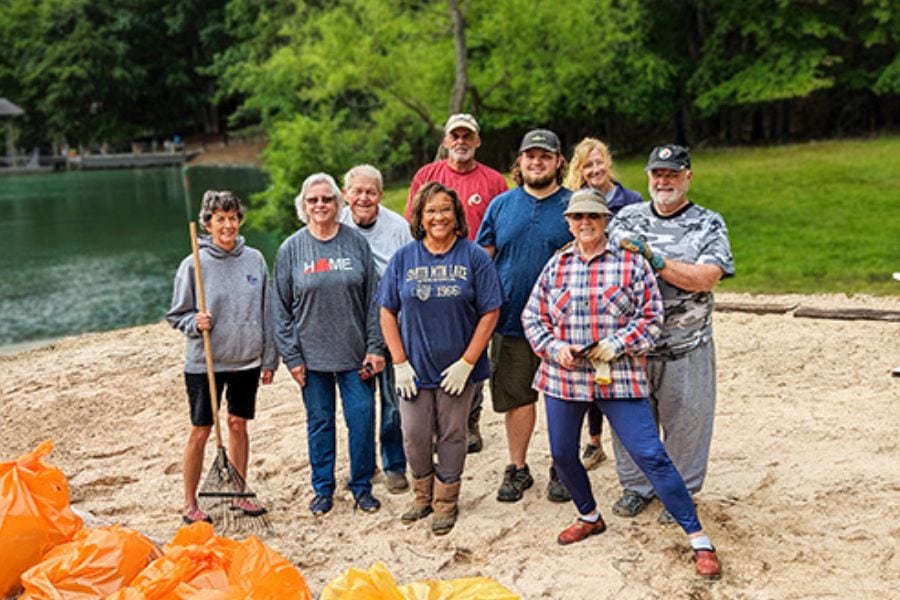
On cool spring and fall mornings, Smith Mountain Lake Association (SMLA) volunteers can be found standing knee-deep in creeks, carefully turning over rocks and examining what lives beneath the surface. Their work may look simple, but it plays a vital role in protecting the health of Smith Mountain Lake.
Through SMLA’s Save Our Streams (SOS) program, trained volunteers monitor the creeks and streams that feed the lake, providing critical insight into overall water quality. These tributaries carry water from both urban and rural landscapes, into the Roanoke and Blackwater rivers, which together supply the lake. Understanding the health of these streams helps tell the story of the lake itself.
How Stream Health Is Measured
Stream monitoring is conducted twice a year and focuses on freshwater aquatic macroinvertebrates, small organisms that live on the stream bottom. Because different species have varying tolerance to pollution, their presence or absence offers a reliable snapshot of stream health.
Scores range from 0 to 12, with higher scores indicating healthier conditions. Each site is sampled twice annually and averaged to account for seasonal variables such as weather, temperature and insect life cycles.

2025 Results and Drought Impacts
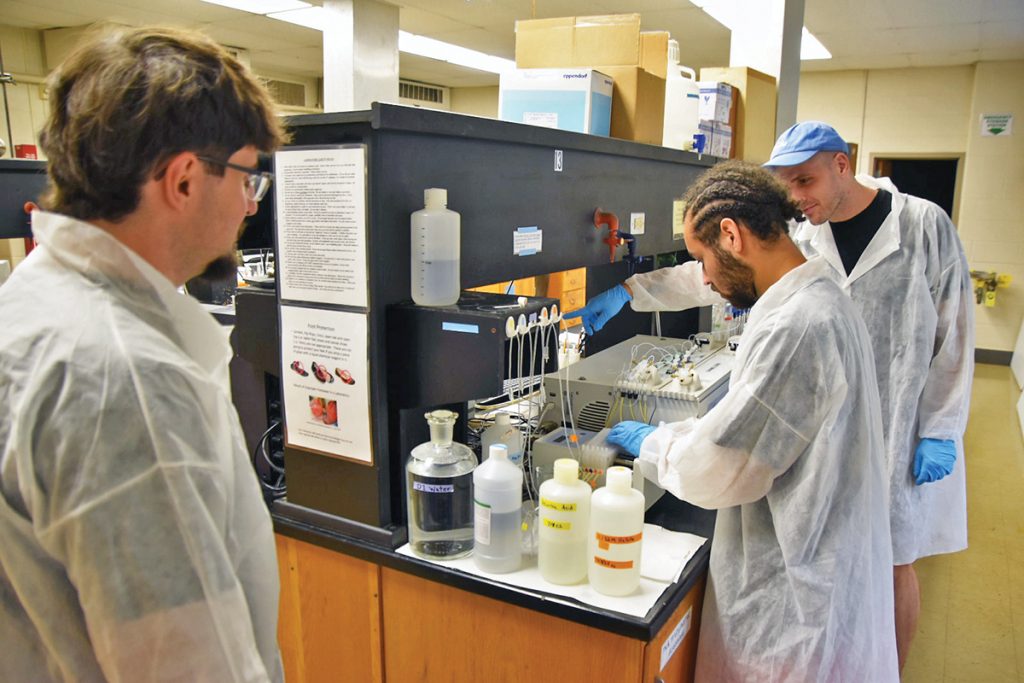
In 2025, volunteers sampled 20 streams, and results reflected the impact of regional drought conditions. While 65 percent of streams rated satisfactory in 2024, that number fell to 50 percent in 2025. Spring testing showed strong results, but lower water flow in the fall led to reduced macroinvertebrate counts and lower scores.
SOS program leader Geoff Orth emphasized that pollution was not a significant factor, noting the decline was tied primarily to drought-related conditions. With a return to normal rainfall, stream health is expected to rebound.
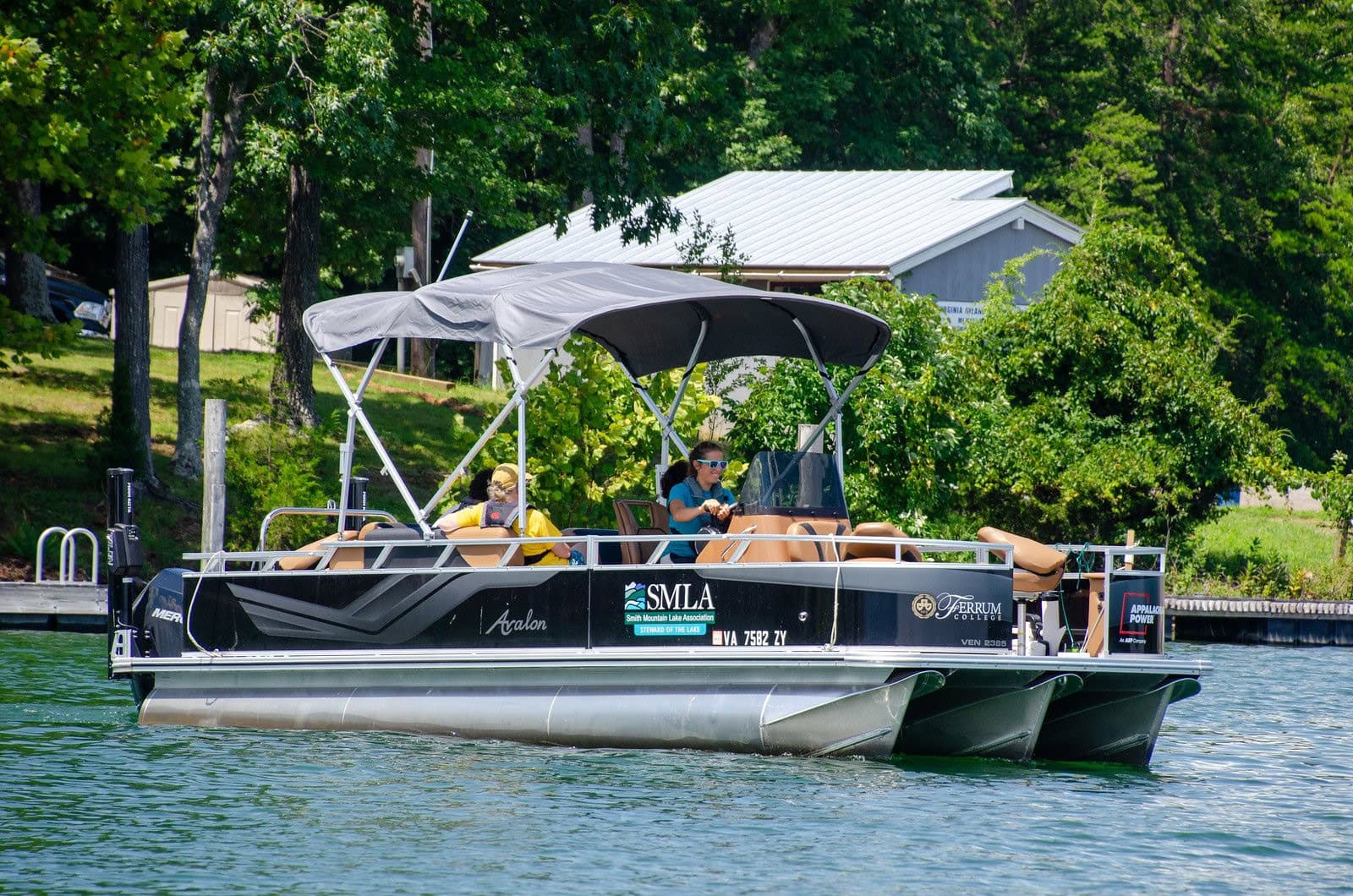
The data collected feeds into a statewide database used by the Virginia Department of Environmental Quality and complements additional water quality monitoring conducted by SMLA and Ferrum College.
Bringing Stream Science Into the Classroom
Beyond the streams, SOS volunteers spend significant time in classrooms, sharing their knowledge with students. Programs like Creek Week at Benjamin Franklin Middle School, exhibits at the Franklin County High School science fair and hands-on Lake Days with Bedford County schools introduce students to real-world environmental science and local waterways.
Students have the opportunity to see live macroinvertebrates, explore monitoring maps and learn how streams near their homes are scored, making the science personal and relevant.
What’s Next for Save Our Streams
As SML marks its 60th anniversary this year, SMLA is looking ahead to the next chapter of stewardship by expanding the Save Our Streams program. The goal is to train additional volunteers and add new monitoring sites along both the Roanoke and Blackwater river tributaries.
“Last year we trained and refitted our stream teams to fully accommodate the monitoring of 20 streams,” Orth said. “We want to add at least another two streams to our monitoring program.”
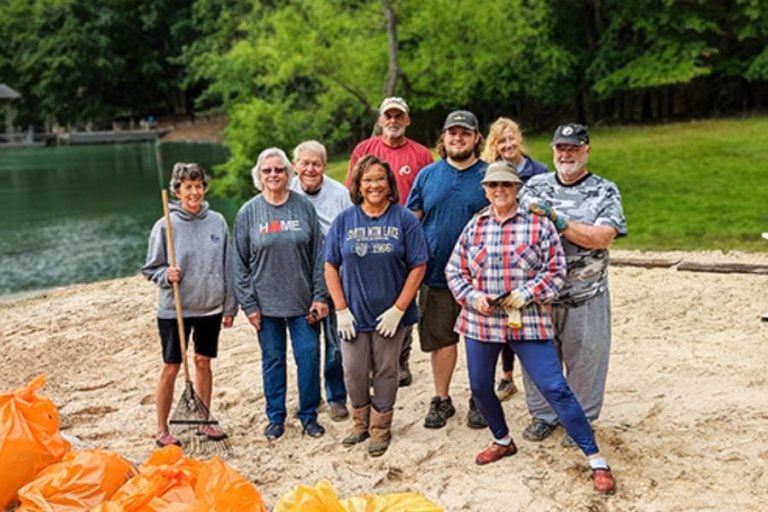
Six decades after the lake’s creation, ongoing stream monitoring remains one of the most effective ways to protect the water quality that defines life at Smith Mountain Lake.To learn more about Save Our Streams or volunteer opportunities, visit smlassociation.org.

Jill Kurtz
guest author
Jill serves on the Board of Directors for the Smith Mountain Lake Association, where she chairs the communication committee. With a career in public relations and marketing, she’s focused on connecting businesses with their communities. In her free time, you’ll find her throwing balls into the lake for her three retrievers.